Nigeria ties petrol import licences to supply shortfalls
By the AFREEQUE newsroom, based on Punch
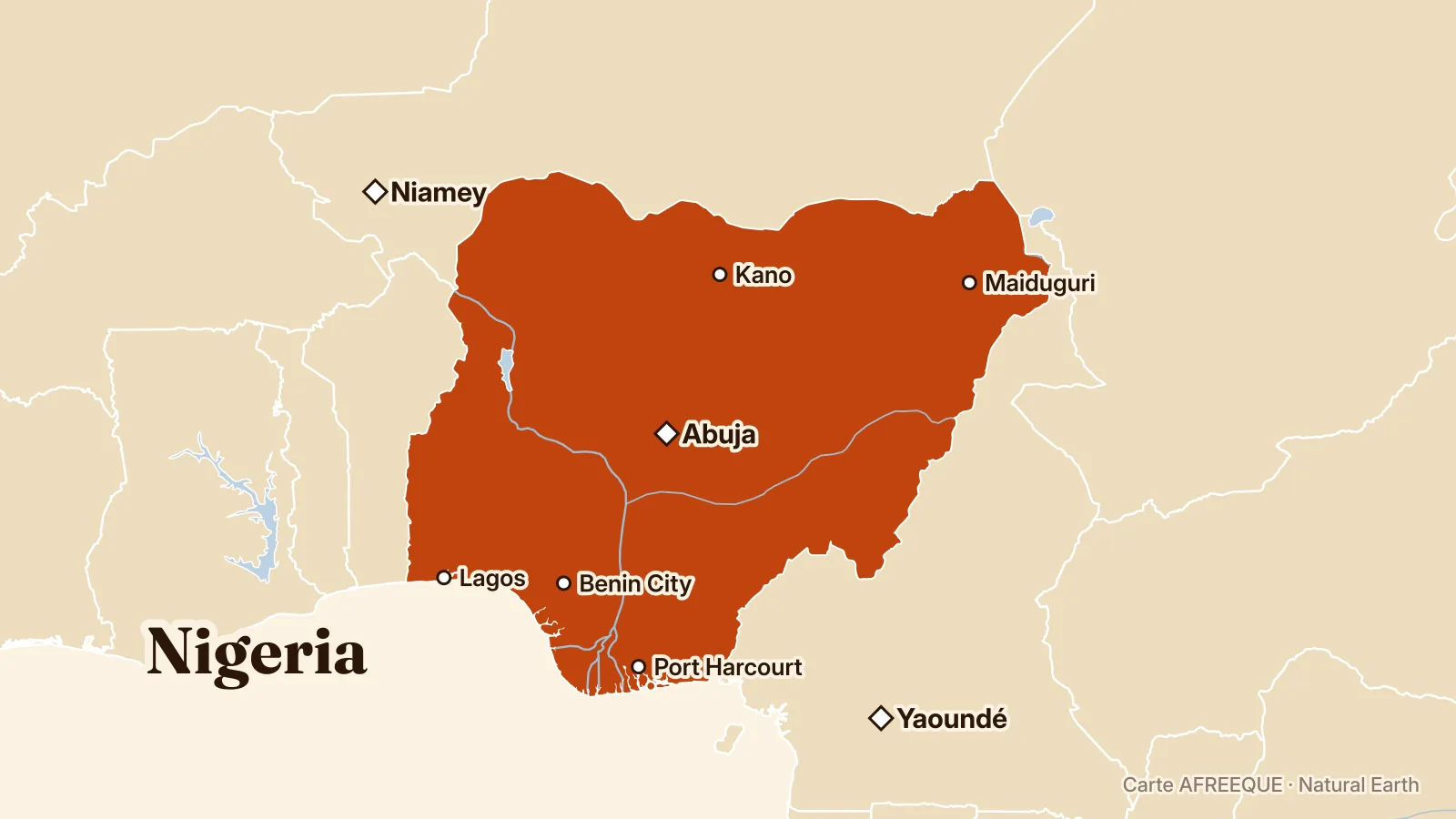
Nigeria’s petroleum regulator, led by Rabiu Umar, will reserve petrol import licences for published criteria and a transparent assessment of supply shortfalls. Domestic refineries now supply about 75% of petrol consumed, up from less than half a year earlier, according to Punch.
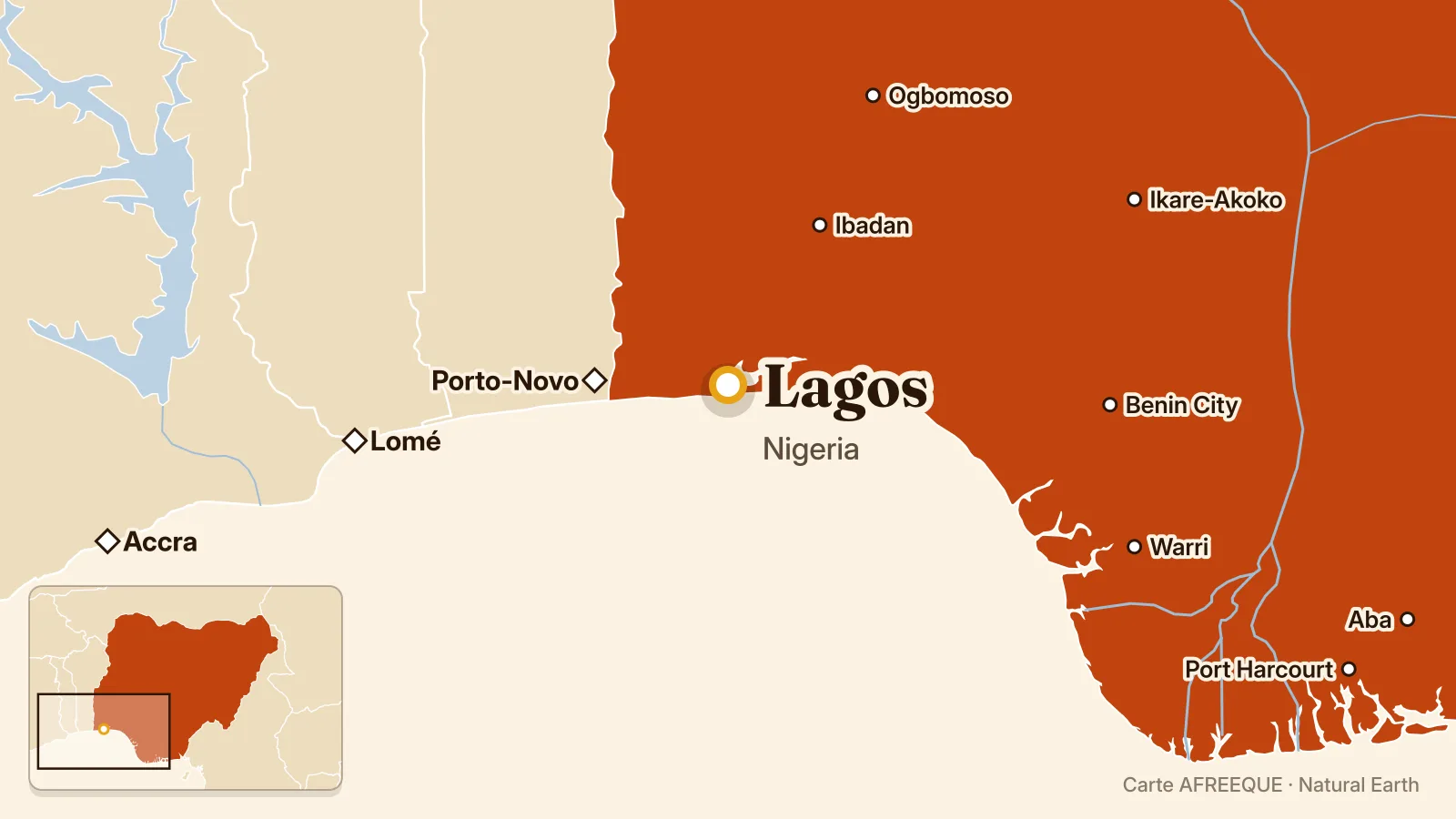
Petrol import licences in Nigeria will be granted according to published merit-based criteria and a transparent assessment of supply shortfalls, Rabiu Umar, director-general of the Nigerian Midstream and Downstream Petroleum Regulatory Authority (NMDPRA), said. He was speaking in Lagos during the 2026 OTL Africa Downstream Energy Week.
Access to licences will remain open to operators that meet the requirements, but every decision must be verifiable and auditable, according to Rabiu Umar. This procedure is intended to accompany the progress of domestic refining, which now supplies about 75% of the petrol consumed in Nigeria, compared with less than half a year earlier.
The official attributed this development to increased local production and said it had helped maintain supplies despite disruptions in the global market. He nevertheless warned that reliance on a single large refinery weakened the country’s energy security.
Rabiu Umar called for support for small refineries, the revival of state-owned refineries and the retention of the option to import when domestic production does not meet demand. This approach follows President Bola Tinubu’s call to rehabilitate Nigeria’s dormant state-owned refineries, announced on 27 October.