Lagos power shortages stem from low generation, TCN says
By the AFREEQUE newsroom, based on Daily Post
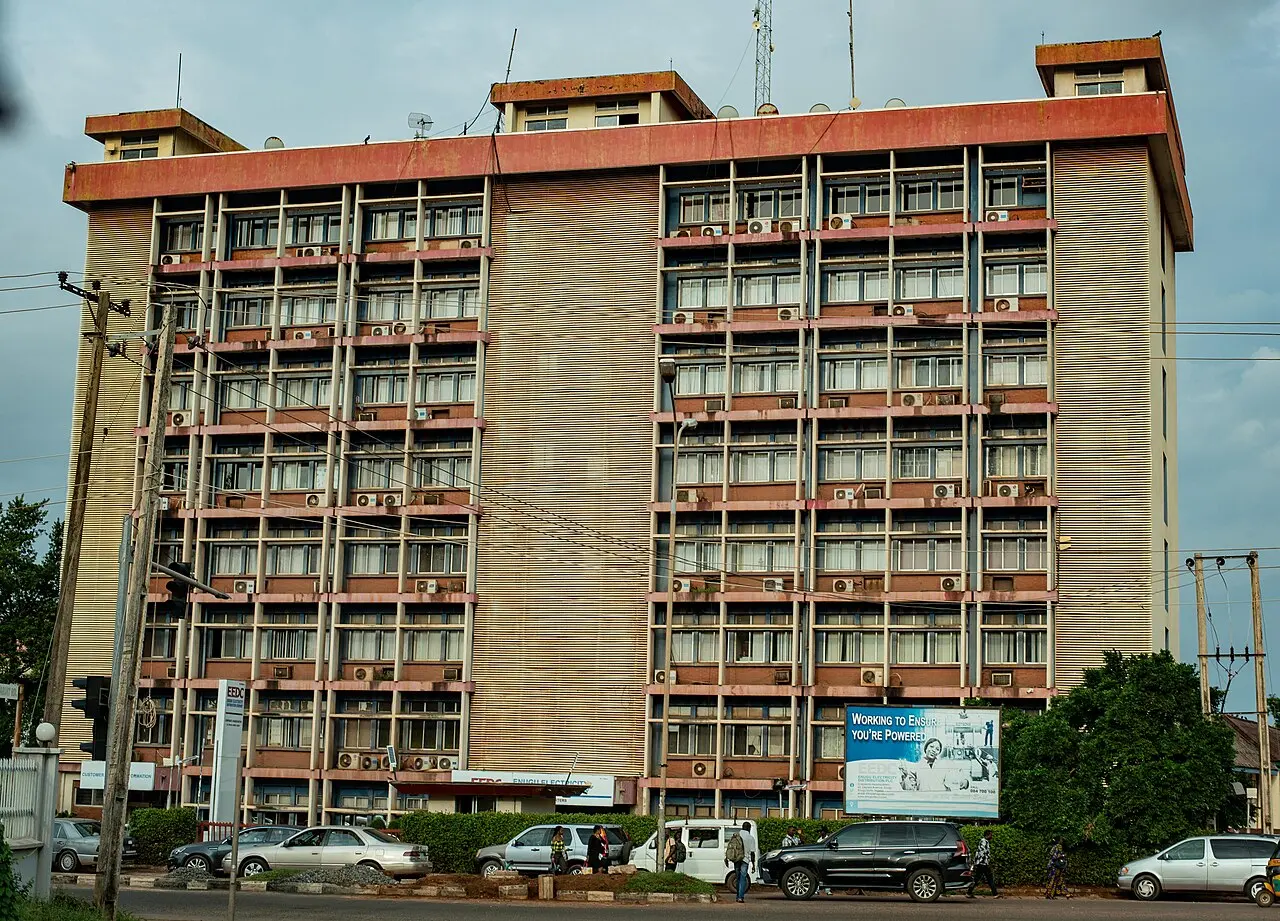
The Transmission Company of Nigeria says prolonged power cuts in Lagos result from lower electricity generation, linked to gas supply constraints and reduced hydropower output. The company rejects Ikeja Electricity Distribution Company's explanation of grid instability, according to its statement.
The Transmission Company of Nigeria (TCN), manager of Nigeria's transmission electricity grid, says prolonged outages affecting customers of Ikeja Electricity Distribution Company (IKEDC) in Lagos mainly result from lower electricity generation and not transmission grid instability. TCN rejected on Friday the explanation given by IKEDC for outages recorded on 3 and 4 November, according to a company statement.
The National Independent System Operator (NISO), Nigeria's independent electricity system operator, attributes the fall in generation to gas supply constraints affecting thermal power plants and lower hydropower output linked to reduced inflows into reservoirs, according to TCN. This decrease reduced the energy available to distribution companies and led to more load shedding.
Of the interruptions recorded on 1 and 2 November on lines supplying IKEDC, 68% were linked to load shedding to control grid frequency because of low generation. Twenty-six per cent were attributable to IKEDC, including failure to comply with load allocations or outages and maintenance operations, while the remaining 6% were linked to planned maintenance, switching operations or TCN line limitations, according to the records cited by the company.
Of the 46 interruptions recorded on the 33 kV feeders mentioned by IKEDC, 29 were due to load shedding linked to low generation and 14 to IKEDC, including nine for failure to comply with allocations and five for outages or trips, according to TCN.