Israeli election leaves Iran facing political uncertainty
By the AFREEQUE newsroom, based on Zambian Observer
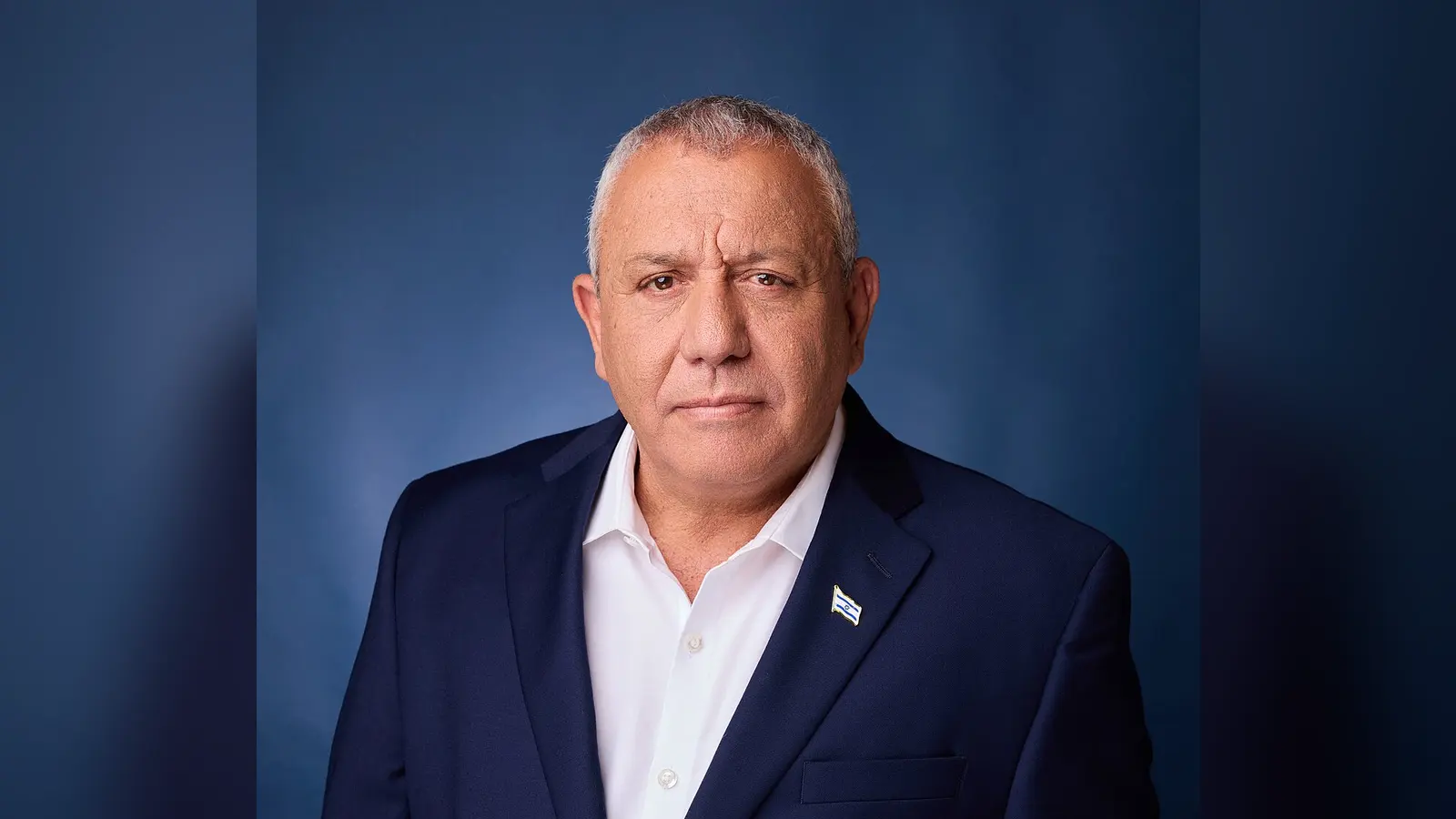
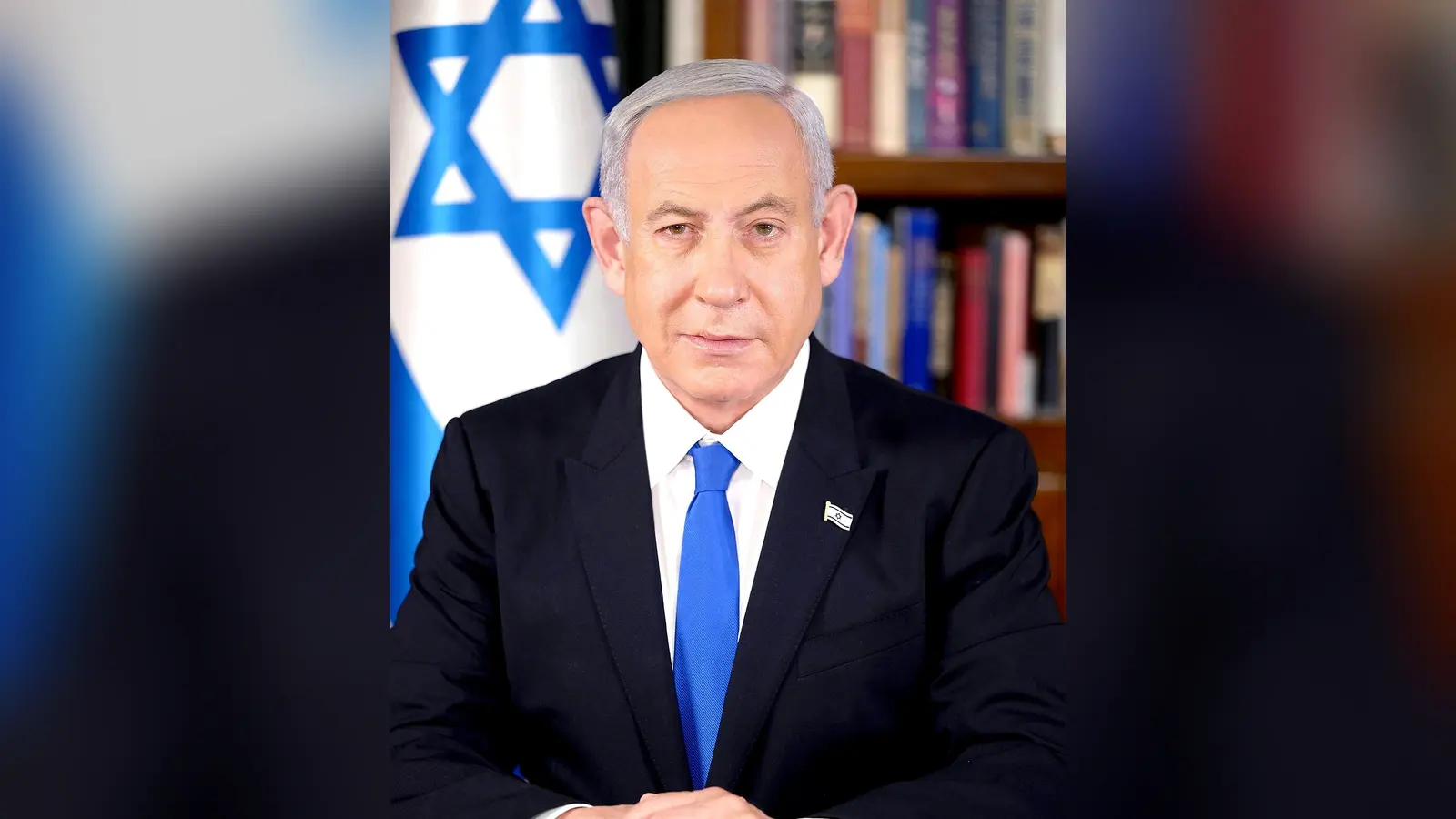
The analysis examines the possible consequences of the Israeli election result for Iran’s strategy and relations between the two countries. It looks at the political uncertainty surrounding Benjamin Netanyahu and Gadi Eisenkot, as well as the risk of further military tensions, according to the Zambian Observer.
Exit polls in Israel’s elections indicate that neither of the two blocs has a clear majority to govern. Prime Minister Benjamin Netanyahu’s camp and the opposition led by Gadi Eisenkot, a former head of the Israeli army, are both below the 61 seats needed, according to these provisional estimates.
Coalition negotiations could last several weeks and prolong the political uncertainty. A Netanyahu victory could maintain strong pressure on Iran and leave open the possibility of further military action. Eisenkot also advocates a firm security line, and analysts believe that a change of government would not necessarily fundamentally alter Israel’s strategy towards Tehran.
The outcome will depend in particular on the next government’s choice between intensifying military pressure and opening up to diplomacy, as well as on regional developments. Exit polls are not the final results and no change of government has been confirmed. The estimates put the opposition at between 52 and 53 seats, without a majority, while polls published on 28 October showed Netanyahu and Eisenkot level, according to results previously reported on the Israeli election.