IMF says high business costs are deterring investment in The Gambia
By the AFREEQUE newsroom, based on Kerr Fatou
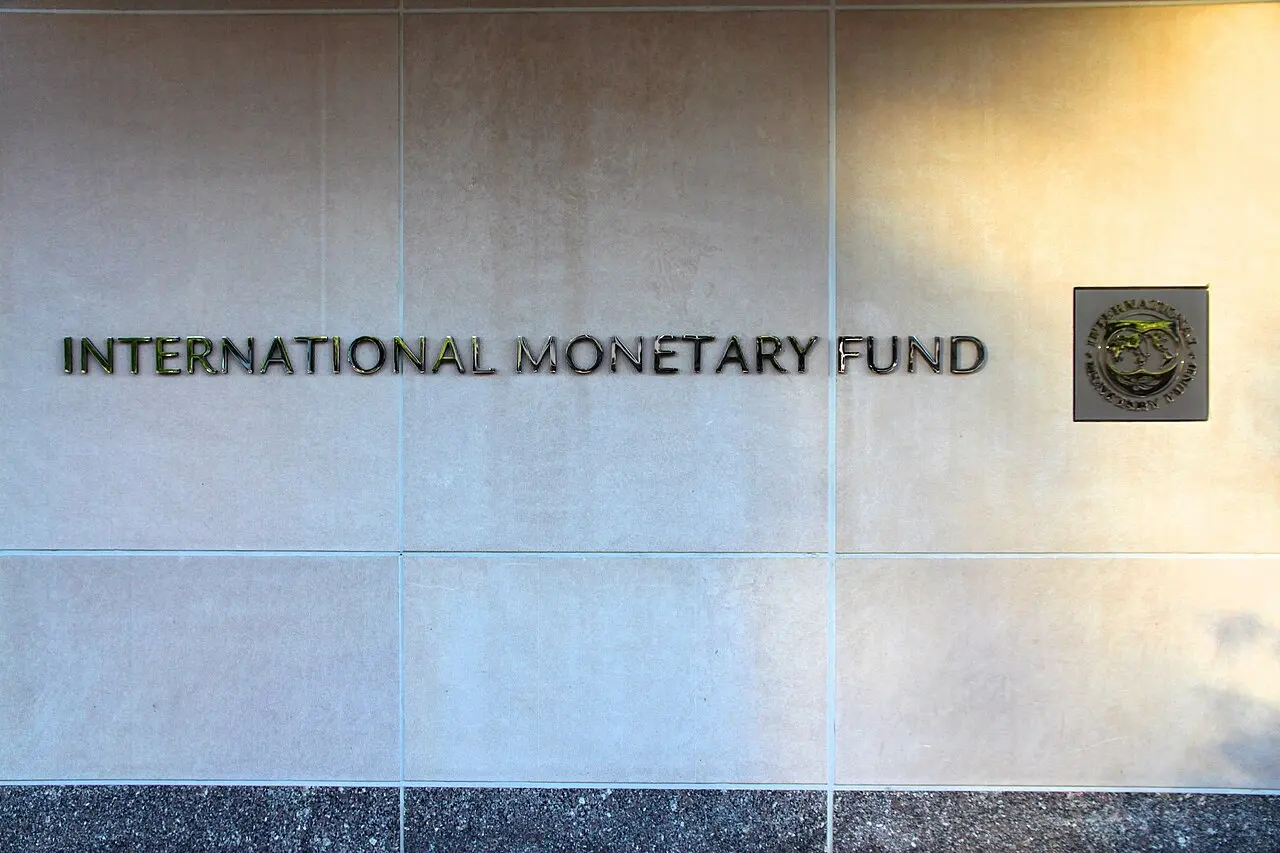
The International Monetary Fund says the high cost of doing business, particularly electricity, is holding back private investment in The Gambia despite progress in the reform programme. IMF mission chief Eva Jenkner says all eight quantitative criteria for the end of June 2026 were met, while tax revenues fell slightly short of their target.
The high cost of economic activity, particularly electricity tariffs, is a major obstacle to private investment in The Gambia, Eva Jenkner, head of the International Monetary Fund (IMF) mission in the country, said. She said foreign investors and representatives of the international community had raised these difficulties during discussions on the business climate.
Eva Jenkner said improving governance and transparency would be essential to attracting the capital needed for private-sector-led growth and job creation, particularly for young people. She also called for reducing debt vulnerabilities, strengthening public revenues and controlling spending.
The IMF-supported reform programme nevertheless remains solid: all eight quantitative performance criteria for the end of June 2026 were met, while three of the four indicative targets were achieved. The tax revenue target was narrowly missed, and fiscal discipline will need to be maintained to meet the end-December targets.
The mission noted progress in public cash management and the partial privatisation of Gambia Telecommunications Cellular Company Limited (GAMCEL), the Gambian telecommunications operator. It also called for further measures to reduce losses at the national electricity company NAWEC, improve bill collection and protect vulnerable households as tariffs move towards cost recovery.