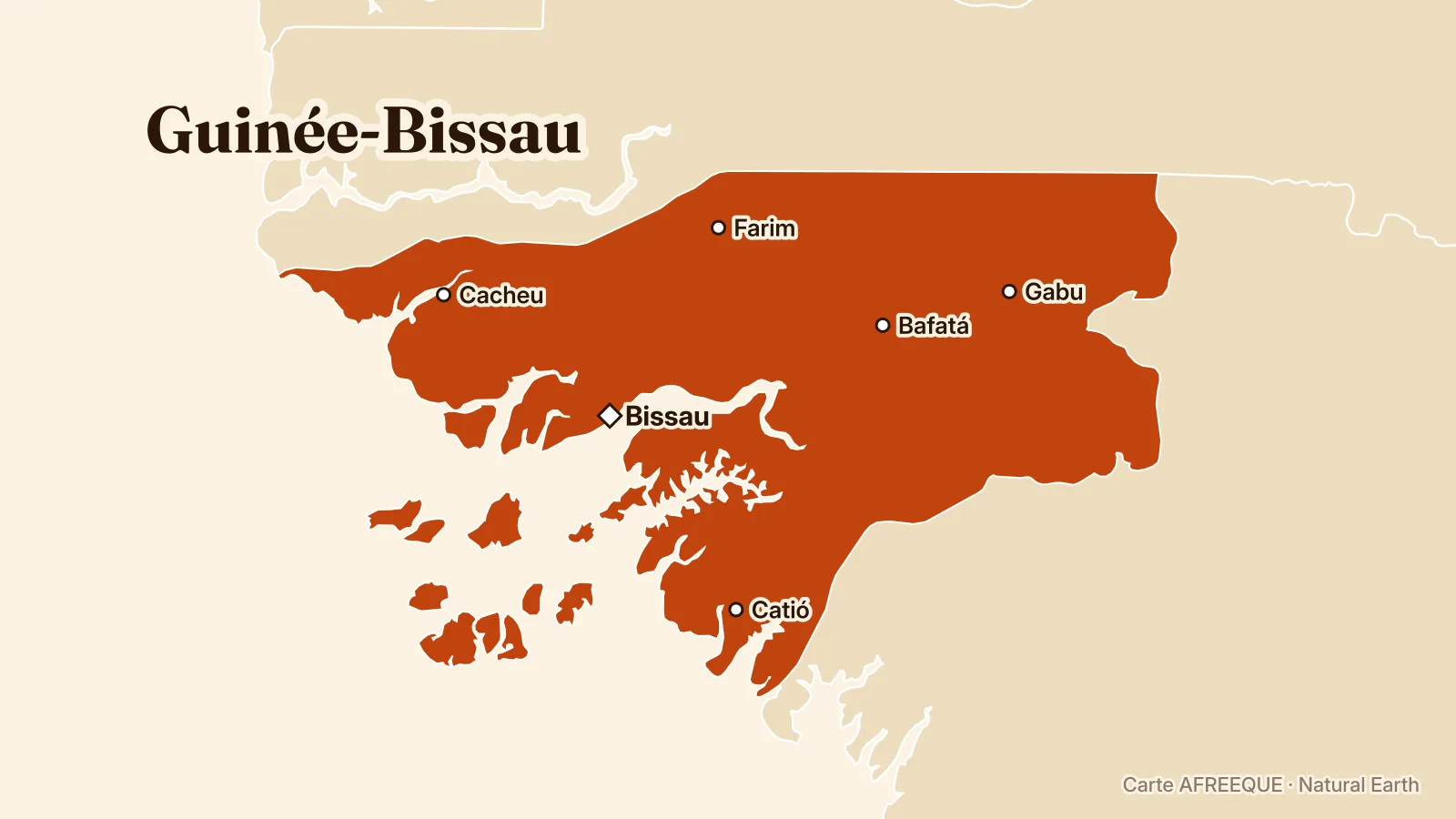
Guinea-Bissau falls to 45th in Ibrahim Index as education declines
By the AFREEQUE newsroom, based on O Democrata
Guinea-Bissau has fallen to 45th place in the 2026 Ibrahim Index of African Governance and is among the ten lowest-ranked countries. The report highlights deterioration in security, the rule of law, justice and transparency, as well as Africa’s second-largest decline in education over ten years, according to O Democrata.
Guinea-Bissau ranks 45th in the 2026 Ibrahim Index of African Governance (IIAG) and is among the ten lowest-ranked countries on the continent, O Democrata reports, citing the Mo Ibrahim Foundation’s report. The country has fallen five places in ten years and is among the 11 African states that experienced the sharpest decline over the period.
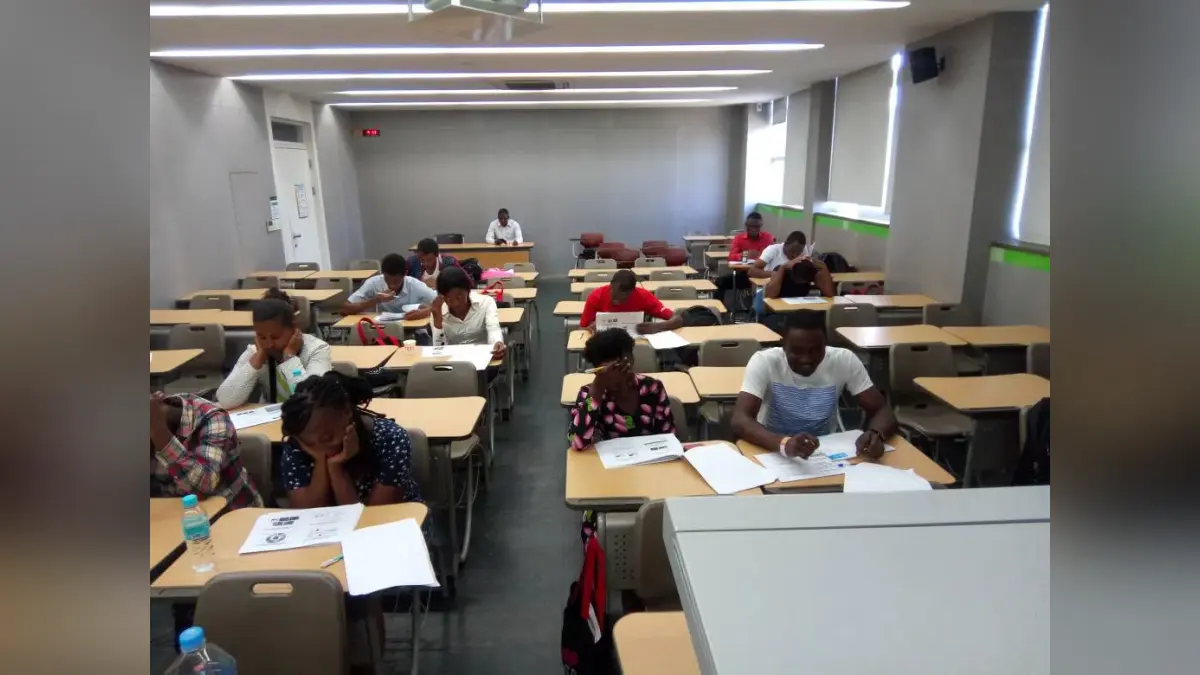
The index describes a growing deterioration in governance in Guinea-Bissau, with indicators declining since 2021. The sharpest falls concern security and the rule of law, justice and transparency. In education, Guinea-Bissau recorded the second-largest decline on the continent over the past decade.
The IIAG assesses all 54 African countries using 96 indicators covering the period from 2016 to 2025, including security, justice, citizen participation, human development and economic prospects. The 2026 edition was presented in Cairo.
Among the other Portuguese-speaking countries, Cape Verde ranks third, behind the Seychelles and Mauritius, despite a recent slight deterioration in security and the rule of law, as well as in the foundations of economic opportunities. Mozambique ranks 29th and has seen its decline accelerate since 2021, particularly in rights, gender equality, security and participation. Angola ranks 37th and is among the ten countries that made the most progress between 2016 and 2025, with advances noted in combating corruption, environmental policies, the rural economy and gender equality in education.
Guinea-Bissau’s ranking forms part of the 2026 edition of the index, which also notes a decline in governance in Cape Verde and contrasting trends across the continent, described in the assessment of African governance between 2016 and 2025.