Guinea-Bissau union calls for 1,112 teachers to be regularised
By the AFREEQUE newsroom, based on O Democrata
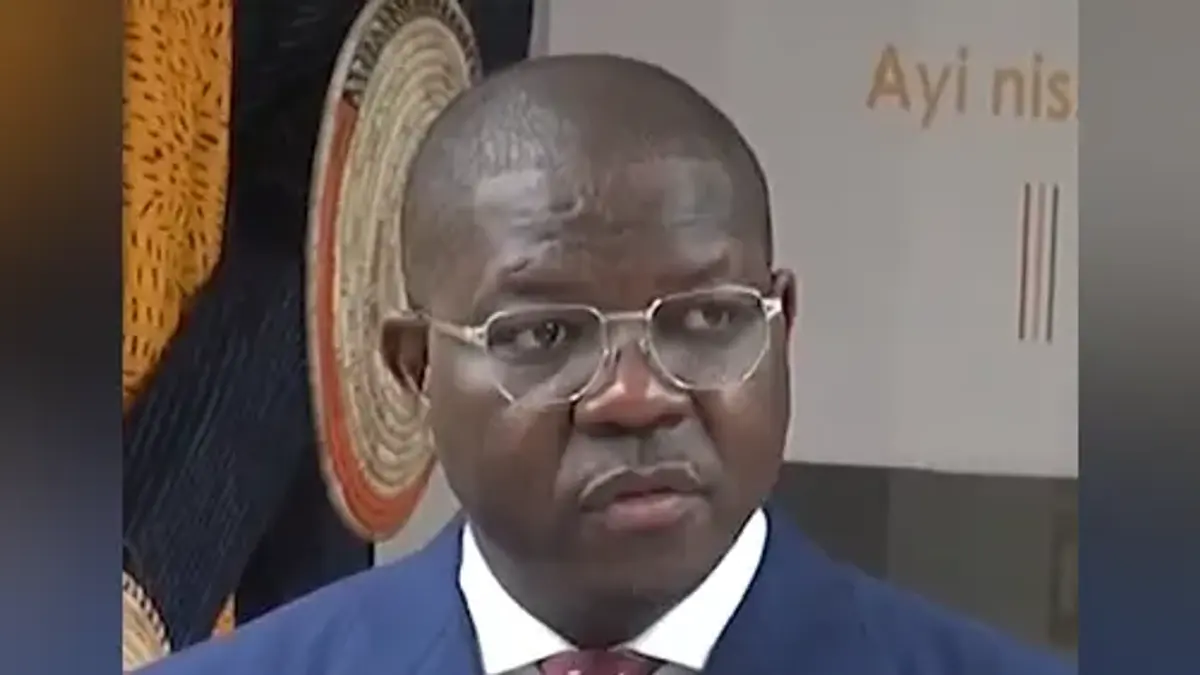
Guinea-Bissau’s national teachers’ union is calling on the government to regularise the status of 1,112 teachers whose reclassification has already been approved by the Education Ministry but remains unimplemented. Its president, Domingos Carvalho, also urges continued regular salary payments to prevent disruption in schools, according to O Democrata.
The National Union of Teachers of Guinea-Bissau (SINAPROF) is calling for the situation of 1,112 teachers to be regularised after their reclassification process was completed and approved by the Ministry of Education. Its president, Domingos Carvalho, asked the government to implement the decision in an interview published by O Democrata on 21 October 2026.
Carvalho welcomed the ongoing confirmation of 5,000 contract teachers as permanent staff, but said this figure was insufficient: the union had recommended recruiting 7,776 teachers for the school year. He also denounced the exclusion of teachers aged over 45, some of whom were already teaching under contract before reaching that age limit, and said the union was negotiating with the government to find a solution.
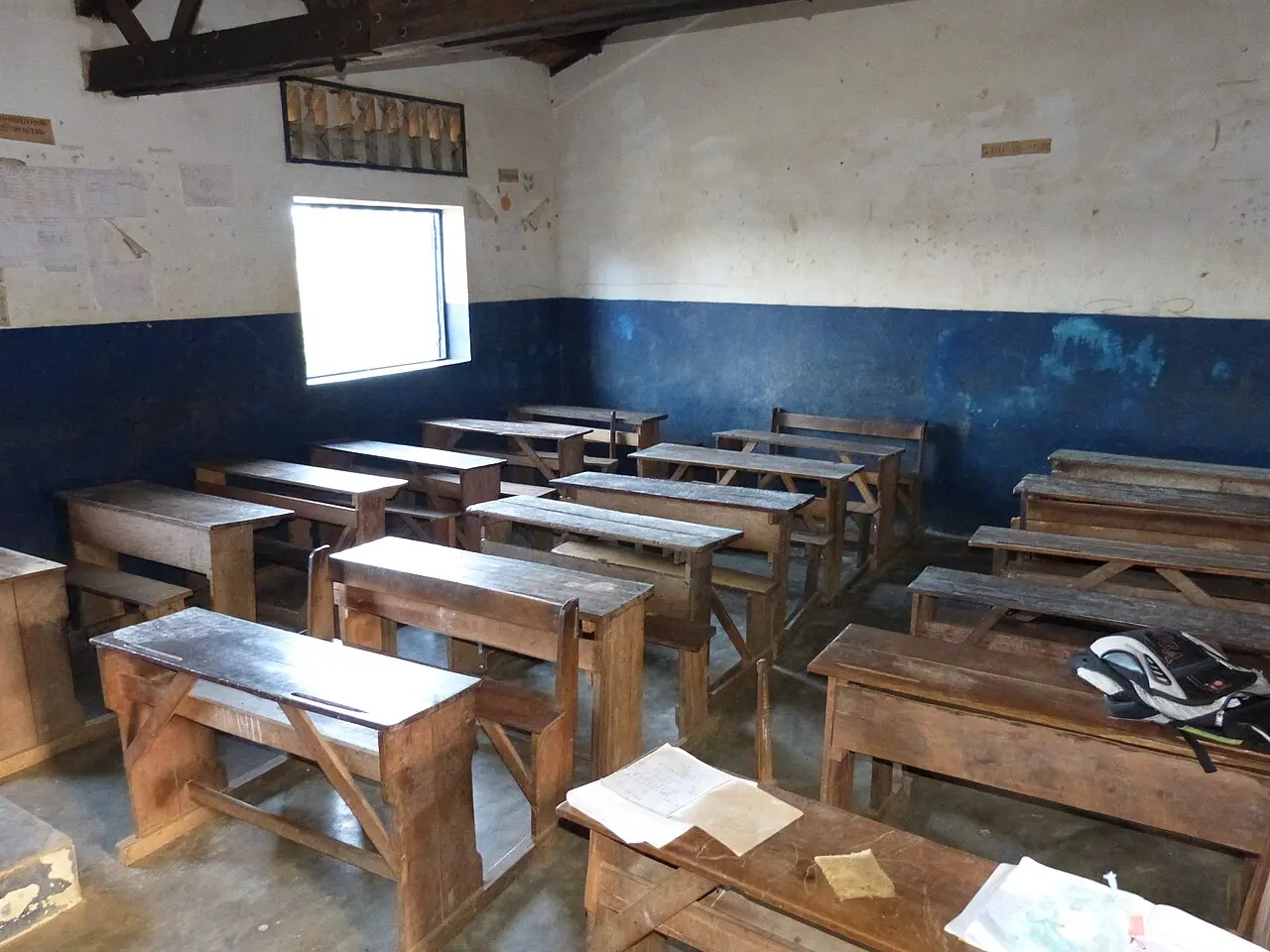
According to data collected by SINAPROF, about 95% of public schools are open, but only 56% are operating normally. The travel of many contract teachers to Bissau for administrative procedures is contributing to disruption. The union also says that 126 teachers have not received a salary since January 2026 and that nearly 80% of public schools do not have suitable buildings.
Domingos Carvalho also criticised the fees teachers are asked to pay to collect and submit the documents required for their confirmation as permanent staff, while many experienced salary delays during the previous school year. The shortage of teachers had already been highlighted by the union in a call for action to address the shortage, published on 29 September.
Summary produced with the help of artificial intelligence tools, under AFREEQUE’s editorial responsibility.