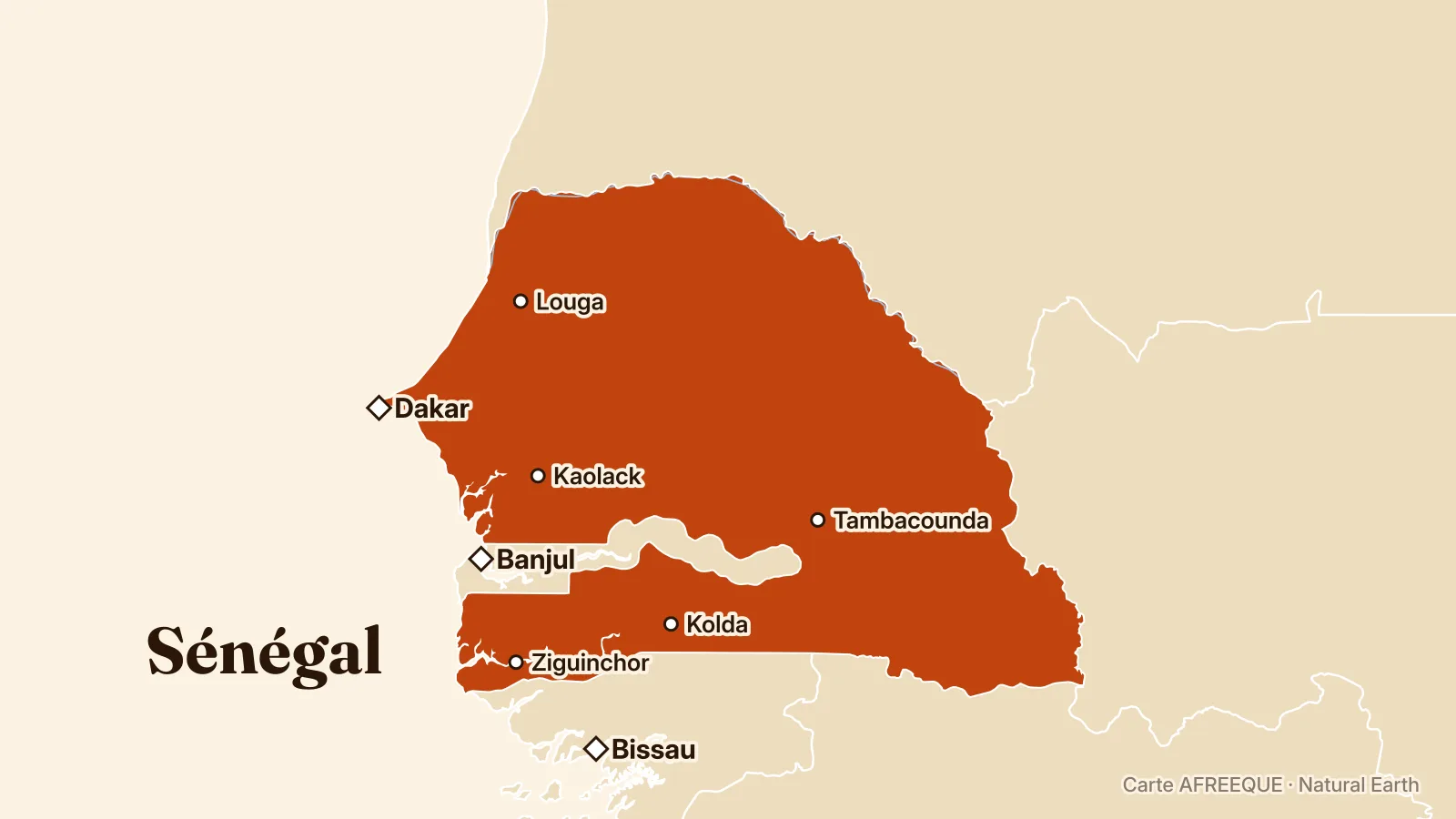
According to UNCTAD’s World Investment Report 2026, foreign direct investment (FDI) in Senegal contracted by 90% in 2025, after several years of strong growth. Inflows rose from US$1.846 billion in 2020 to US$4.790 billion in 2023, before falling to US$3.319 billion in 2024.
Average growth in the Economic and Monetary Community of Central Africa slowed to 2.6% in 2025, from 3.2% in 2024, while the average budget deficit reached 3.3% of GDP. Regional public debt stood at 53.6% of GDP, according to the World Bank’s August 2026 Economic Barometer.
Growth in the West African Economic and Monetary Union is expected to reach 6.3% in 2026, after 6.5% in 2025, while its trade surplus stands at 2,088 billion CFA francs. Food production is forecast to rise by 6.7%, according to the regional economic outlook for the second quarter of 2026.
Financial inclusion in the West African Economic and Monetary Union reached 76.1% of adults in 2025, while the composite index stood at 0.616. Electronic money remains the main driver of this progress, according to the dashboard published on 20 October 2026 by the BCEAO.
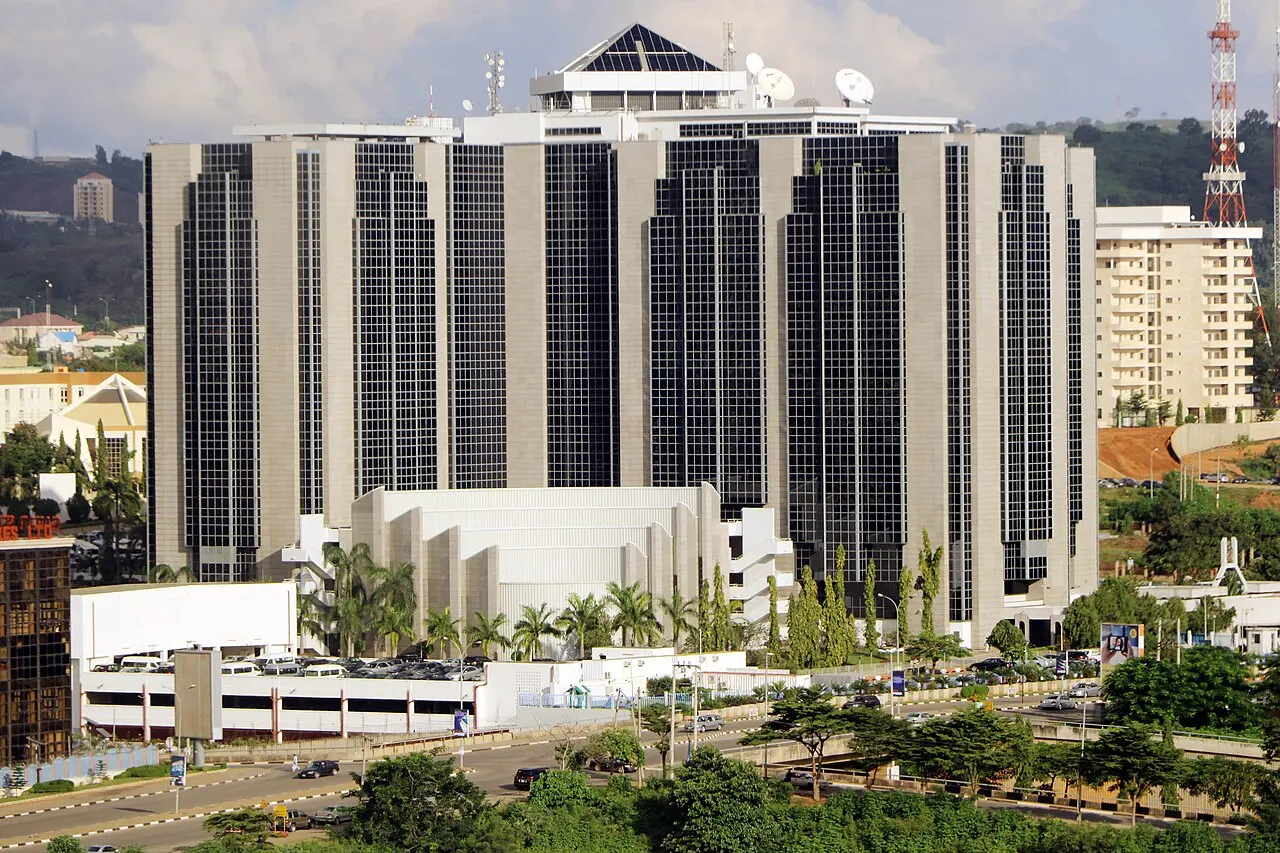
The Central Bank of Nigeria brought together Nigerian and Chinese business and financial leaders to improve cross-border payments and boost investment between the two countries. The roundtable was held in Beijing on 21 October 2026, with Governor Olayemi Cardoso stressing the importance of direct engagement with businesses, according to a central bank statement.