Ethiopia’s electrification programme targets agriculture and industry
By the AFREEQUE newsroom, based on Fanamc
Ethiopia’s Ministry of Water and Energy has presented the third phase of the National Electrification Programme, intended to make access to electricity a driver of production and growth. The scheme is expected to support irrigation, agricultural processing, the textile industry and public services, according to Mesfin Dabi, the ministry official responsible for electrification.
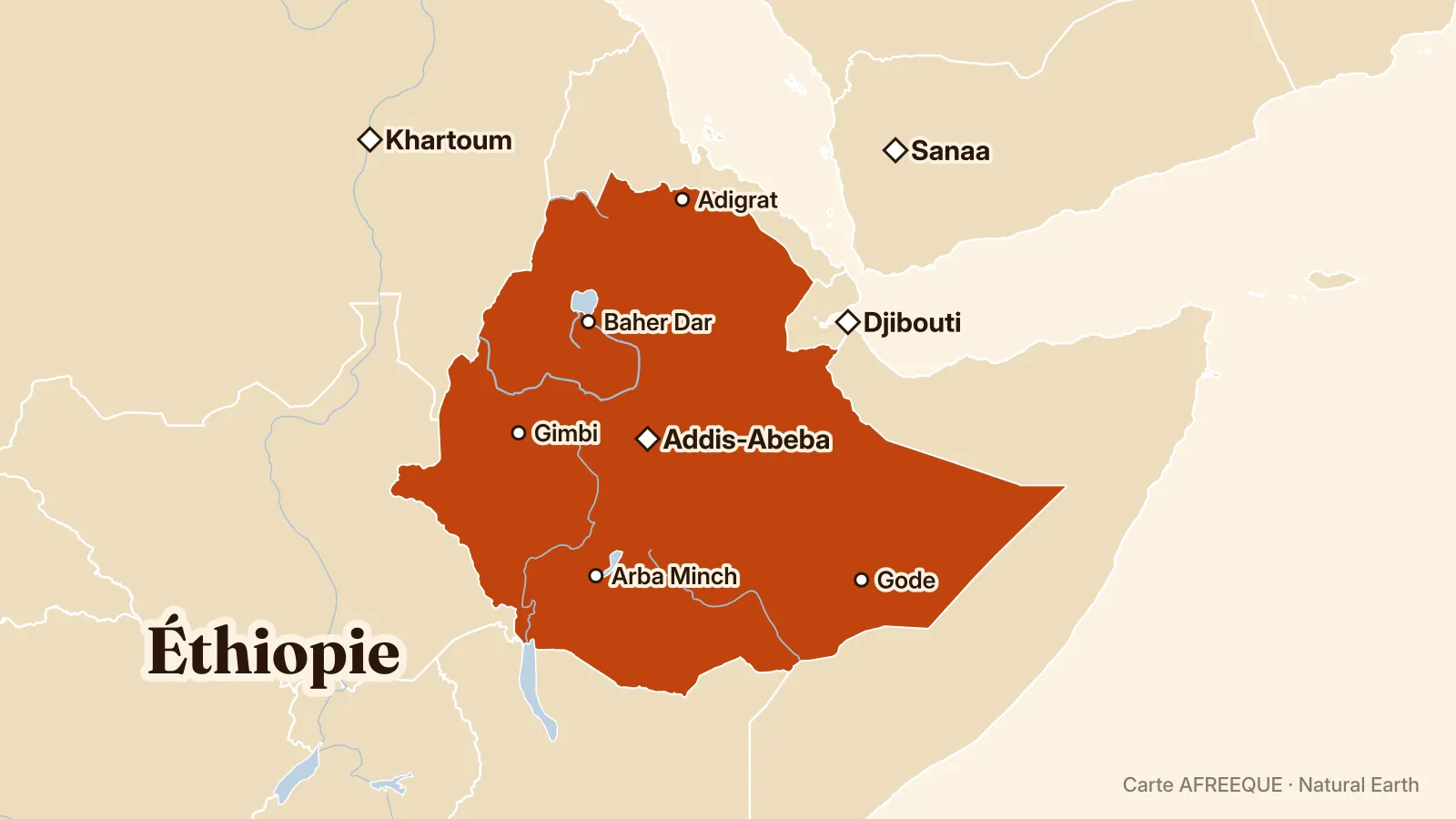
Ethiopia has launched the third phase of its National Electrification Programme, which is intended to direct access to electricity towards agriculture, industry and public services, beyond household connections. The Ministry of Water and Energy presented the programme in Addis Ababa during the third Water and Energy Week, Fanamc reports.
Known as NEP 3.0, the programme plans to integrate electricity into irrigation, agricultural processing, grain milling, poultry farming, textile manufacturing and digital infrastructure. It also aims to improve the reliability and affordability of supply for households, farmers, schools and health facilities.
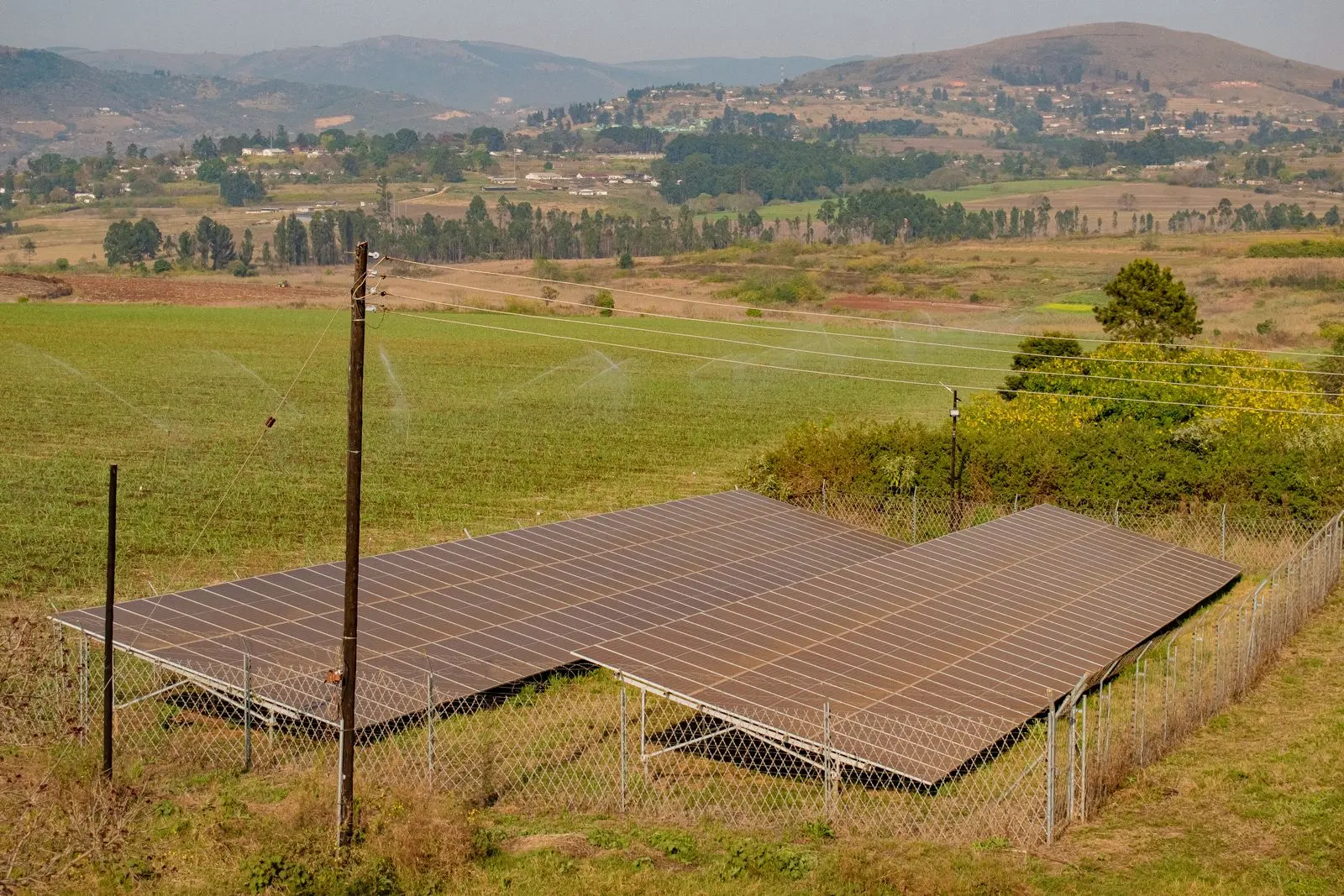
The scheme provides for the deployment of smart meters and a tariff reform to reduce losses in transmission and distribution networks. The ministry is also to establish a national energy data management system to support planning. Public-private partnerships are expected to help develop off-grid solar installations for communities far from the main grid.
This phase extends Ethiopia’s efforts to develop agriculture through renewable energy, including the use of renewable energy in agriculture.