Eswatini seeks to modernise land laws for urban planning
By the AFREEQUE newsroom, based on Times of Eswatini
 Illustrative image · Khaya Motsa · Pexels · Licence Pexels
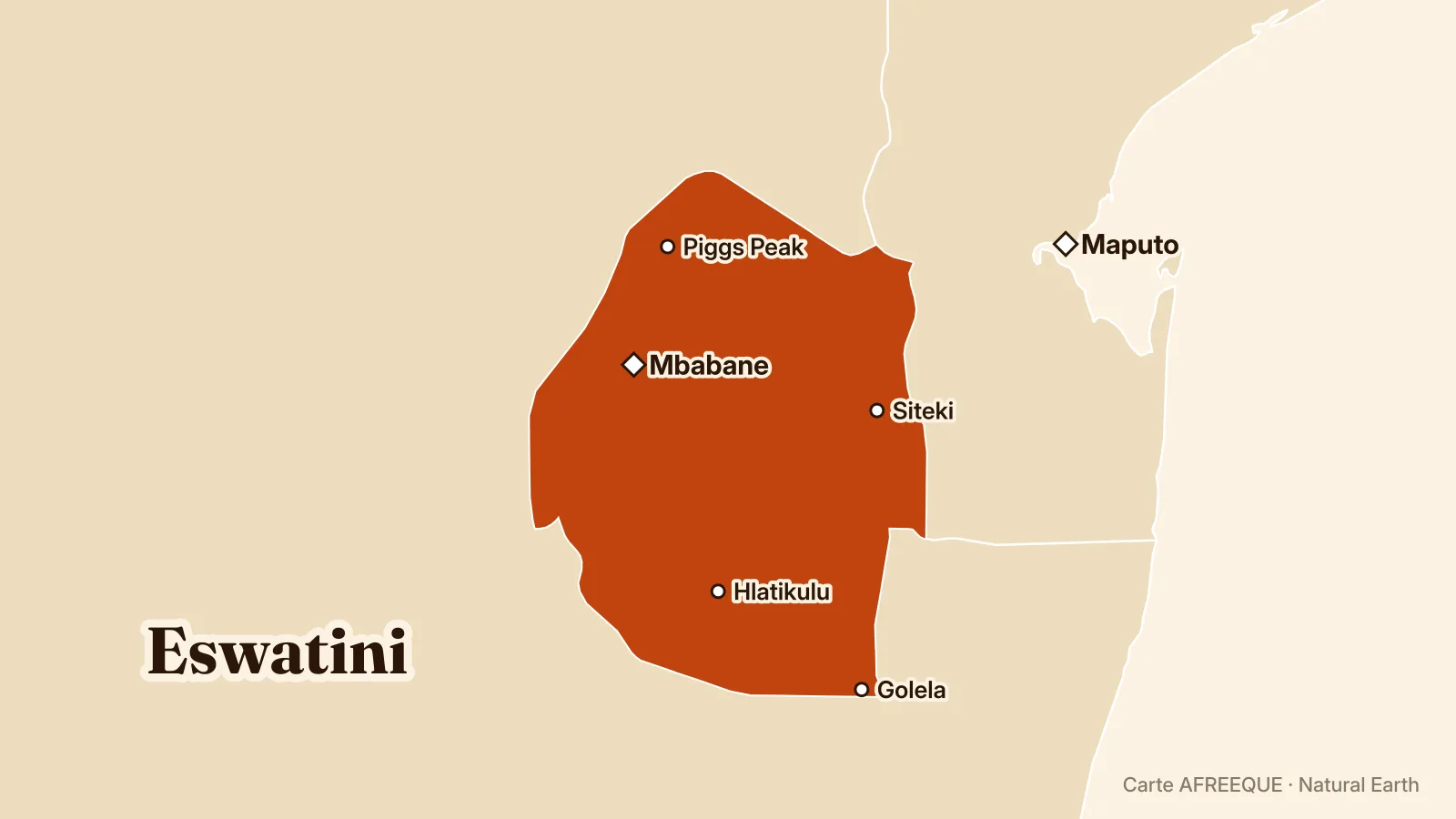
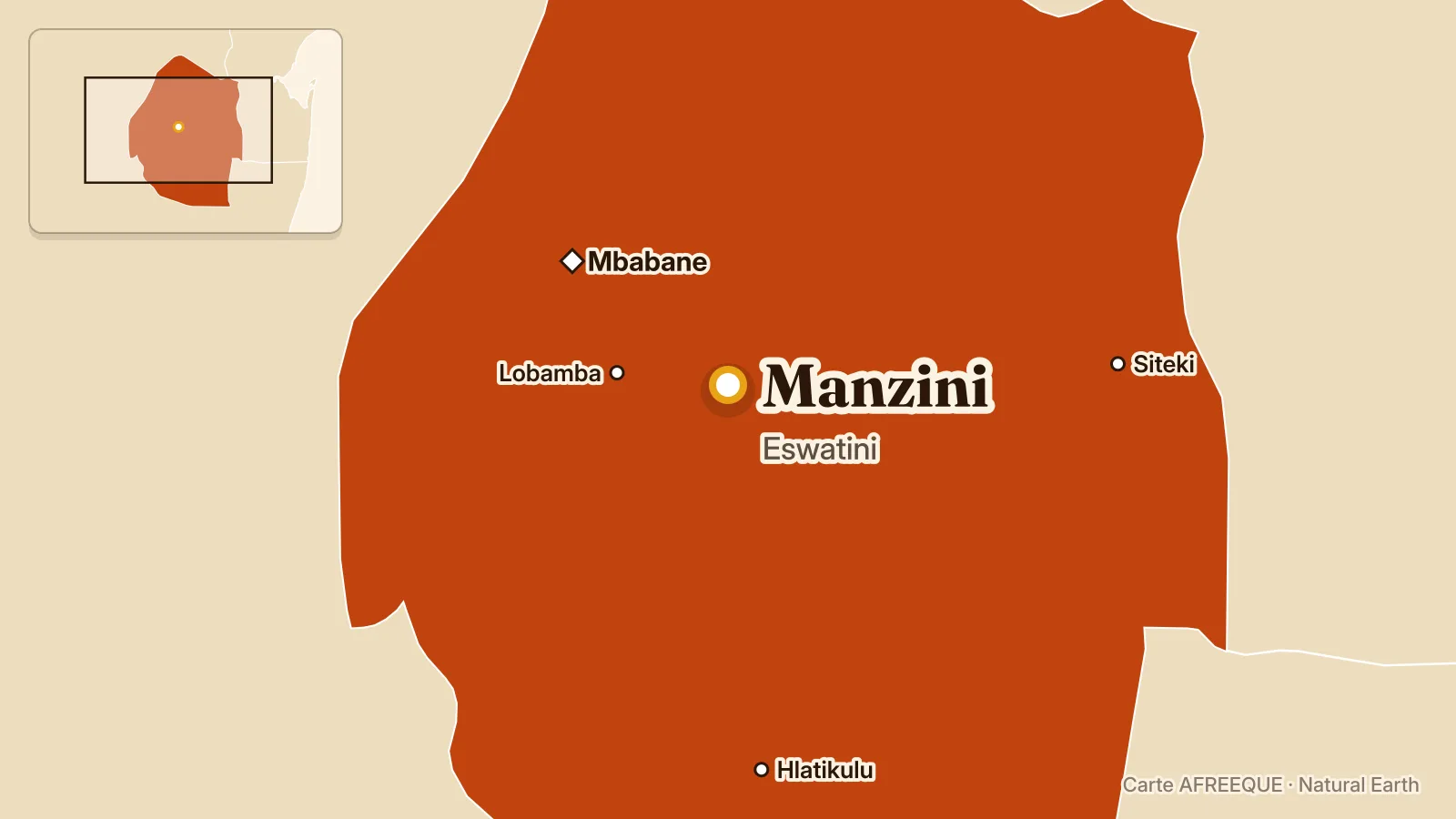
UN Resident Coordinator George Wachira is calling on Eswatini to modernise its land laws to better manage urbanisation and prevent unplanned settlements. The urban population could reach 35% by 2050, while expansion around the Mbabane-Manzini corridor extends beyond municipal boundaries, he said at the Eswatini Urban Forum.
Eswatini must modernise its land laws and close administrative gaps to prevent the proliferation of unplanned neighbourhoods, said George Wachira, the United Nations Resident Coordinator, during the second Eswatini Urban Forum in Ezulwini. The country is urbanising at an annual rate of 2.7%, and its urban population could reach 35% by 2050, reports the Times of Eswatini.
George Wachira called for better coordination of land administration, ownership systems and spatial planning. Growth is concentrated along the Mbabane-Manzini corridor and extends beyond municipal boundaries, particularly towards peri-urban areas and Swazi Nation Land. He warned that poorly managed expansion could encourage informal settlements, while around 1.1 billion people already live in unplanned conditions worldwide.
The Resident Coordinator backed a review of the National Land Policy, the completion of national planning frameworks and the regularisation of existing neighbourhoods through occupancy titles, including 99-year leases. He also called for improved municipal revenue, reliable land data and clarification of institutional responsibilities. He cited the Ministry of Housing and Urban Development's 2025-2030 strategic plan and the Gwamile Voctim eco-city project in Sidvokodvo, carried out with UN-Habitat, according to the Times of Eswatini.
These calls follow the request addressed to municipal councils on 28 October to prepare for the country's evolution towards 2050, as part of Eswatini's urban planning. The request for municipal councils to prepare for 2050 had already highlighted this demographic and territorial horizon.