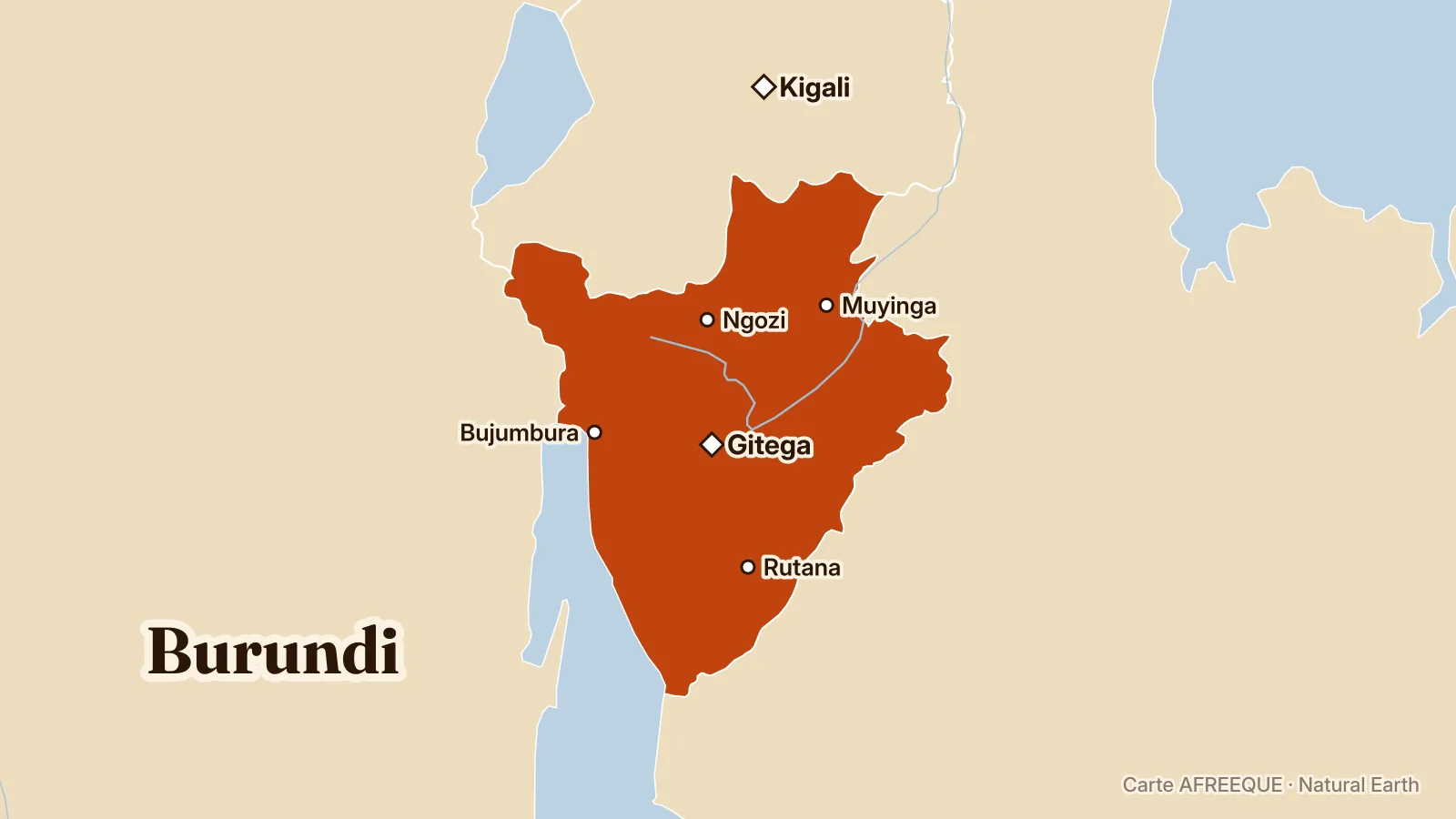
Burundi limits pre-trial detention to serious offences
By the AFREEQUE newsroom, based on Iwacu
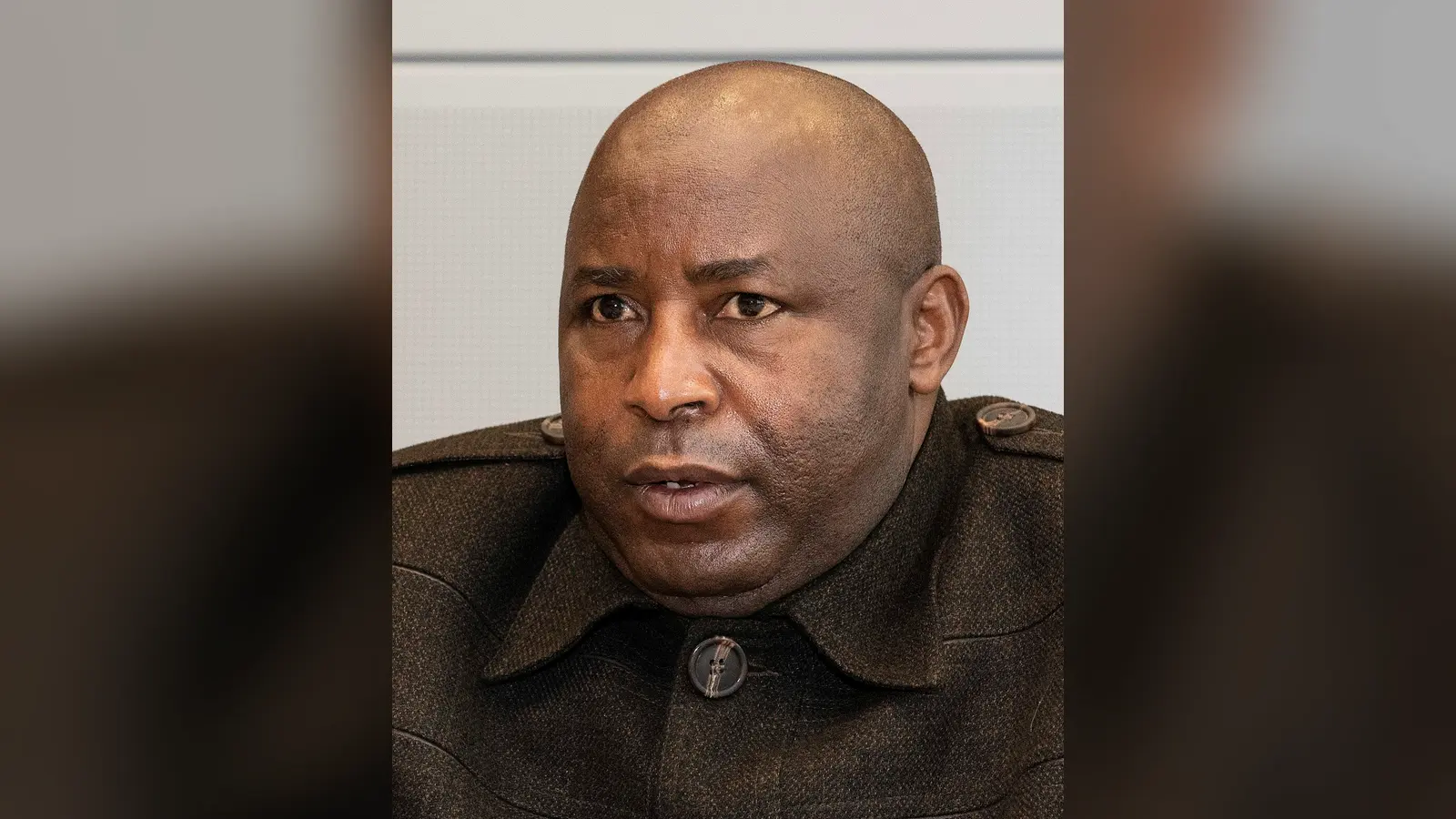
In Burundi, the Constitution and Code of Criminal Procedure establish that freedom is the rule and pre-trial detention the exception. Gérard Rugemintwaza, vice-president of the National Independent Commission for Human Rights, recalls that detention requires sufficient evidence of guilt and an offence punishable by at least one year of penal servitude, Iwacu reports.
In Burundi, pre-trial detention may apply only to a person suspected of an offence punishable by at least one year of penal servitude and against whom there is sufficient evidence of guilt, according to Article 154 of the Code of Criminal Procedure cited by Gérard Rugemintwaza, vice-president of the National Independent Commission for Human Rights (CNIDH). The Burundian Constitution makes freedom the rule and detention the exception, while requiring every arrest to be provided for by a law enacted before the alleged acts, he explains.
Every arrest must be carried out by a judicial police officer (OPJ) holding a card issued by the Prosecutor General, or by a public prosecutor, Gérard Rugemintwaza explains. In cases of flagrante delicto, however, any citizen may apprehend the suspect and take them before the competent authority. Before intervening, the OPJ must state their identity and inform the person being arrested of their status, the CNIDH vice-president adds.
Jean-Marie Nshimirimana, president of the Solidarity with Prisoners and their Families association, also considers the legislation on arrest and detention clear. Kefa Nibizi, president of the Council for Democracy and Sustainable Development in Burundi (Codebu), believes that the country has good laws, but criticises the drafting of the Penal Code, which he considers inherited from the Belgian colonial period and poorly adapted to Burundi’s realities.