Bangladesh garment factories reopen after wage protests
By the AFREEQUE newsroom, based on Sowetan
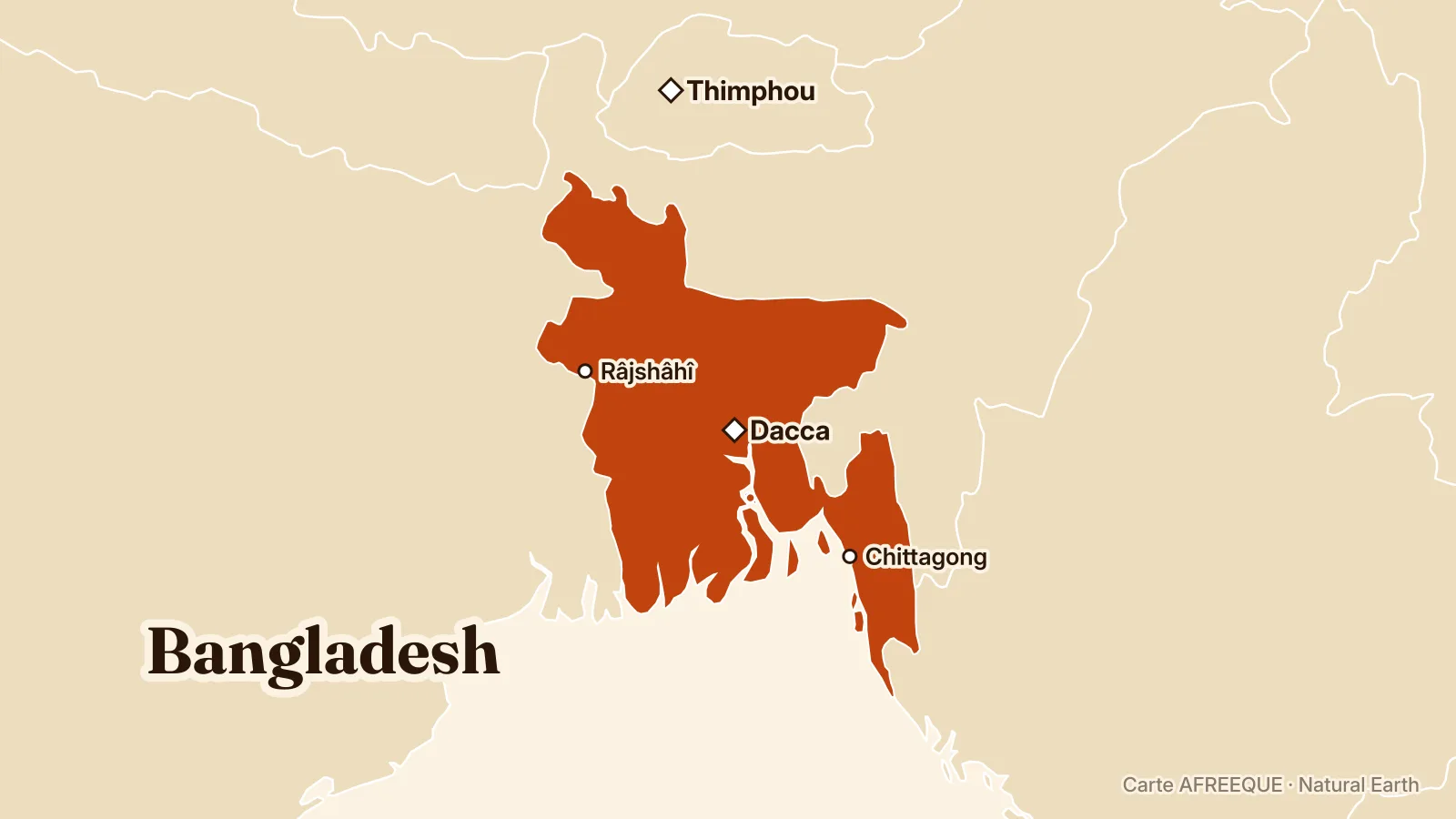
Bangladesh’s garment factories have reopened after closures linked to wage demands, as workers call for a monthly minimum wage of 30,000 takas, compared with 12,500 currently. The government has formed a commission to examine the demand, while manufacturers fear further disruption, according to Sowetan.
Bangladesh’s garment factories reopened on Monday 2 November, after closures and production disruptions linked to the previous day’s wage protests. The Bangladesh Garment Manufacturers and Exporters Association (BGMEA) said the protests disrupted 529 factories and affected nearly one million workers, reports Sowetan.
Workers are demanding a monthly minimum wage of 30,000 takas, compared with 12,500 currently. The government formed a six-member commission on Sunday to examine the demand, but road blockades and police intervention in Dhaka marked the protests.
The garment sector accounts for more than 80% of Bangladesh’s export earnings, employs about four million people and contributes nearly 10% of gross domestic product. The country is the world’s second-largest clothing exporter, behind China.
BGMEA president Mahmud Hasan Khan called on workers to allow the commission to examine their demand. He warned that manufacturers could apply the “no work, no pay” rule if further protests forced them to close their factories. Owners cite rising costs, energy uncertainty linked to the conflict in the Middle East and slowing demand in some export markets.