28.8 million people face acute hunger in DRC
By the AFREEQUE newsroom, based on Rwanda News Agency
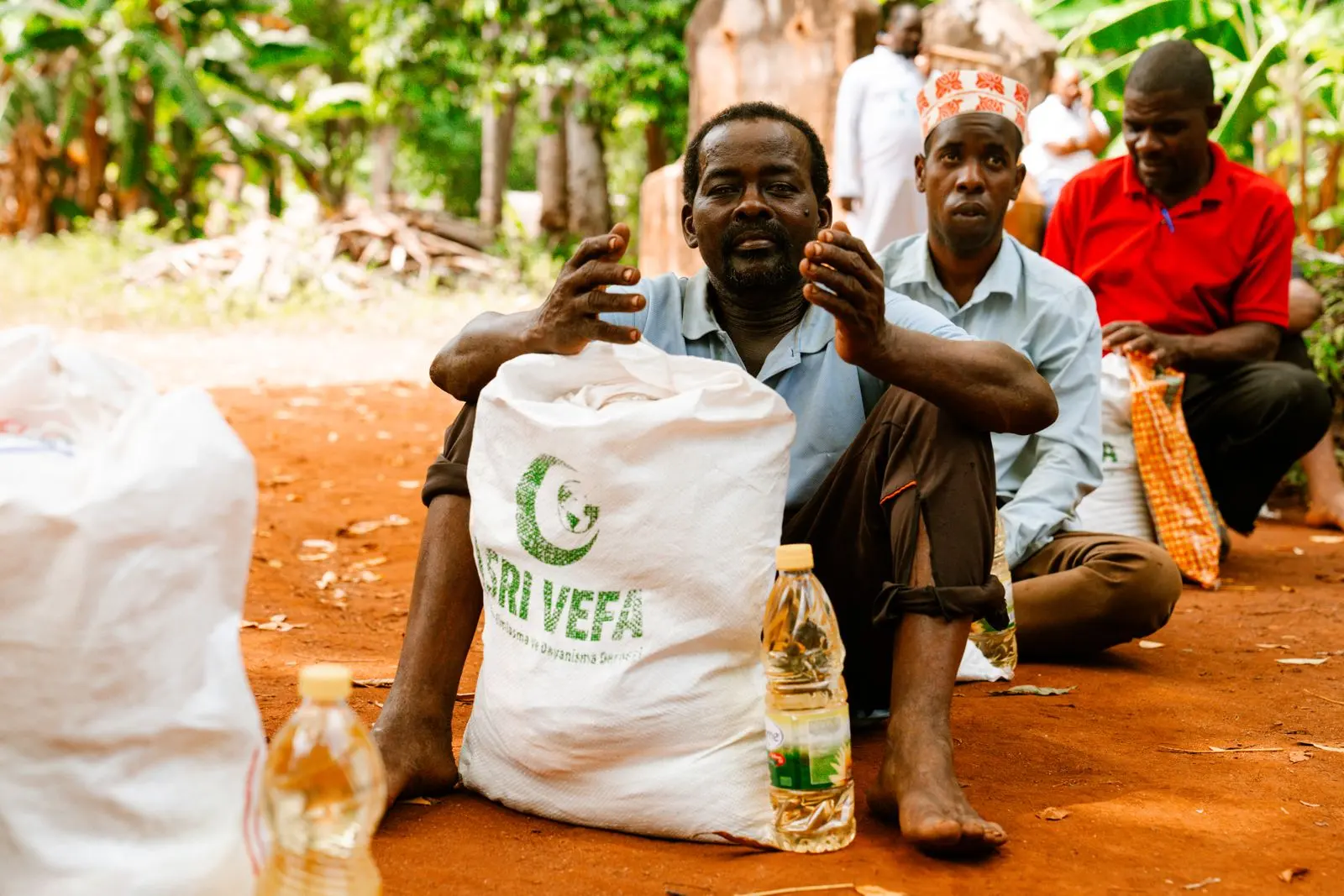
Around 28.8 million people in the DRC, or 23% of the population analysed, are expected to face acute food insecurity through December, including 3.6 million in emergency conditions. The IPC warning links the crisis to conflict, displacement, Ebola and economic and climate shocks, according to the UN-backed network.
In the Democratic Republic of the Congo, 3.6 million people are expected to face emergency acute food insecurity, corresponding to phase 4 of the IPC scale, between September 2026 and June 2027. The figure appears in the latest alert from the IPC, a United Nations-backed food security platform that classifies crises up to level 5, famine.
The situation is expected to deteriorate further between January and June 2027, with 30.3 million people expected to be in phase 3 or above. The provinces of North Kivu, South Kivu and Ituri remain the worst affected: 10.4 million people there are classified in this category, while the territories of Djugu, Fizi, Shabunda and Walungu are in phase 4.
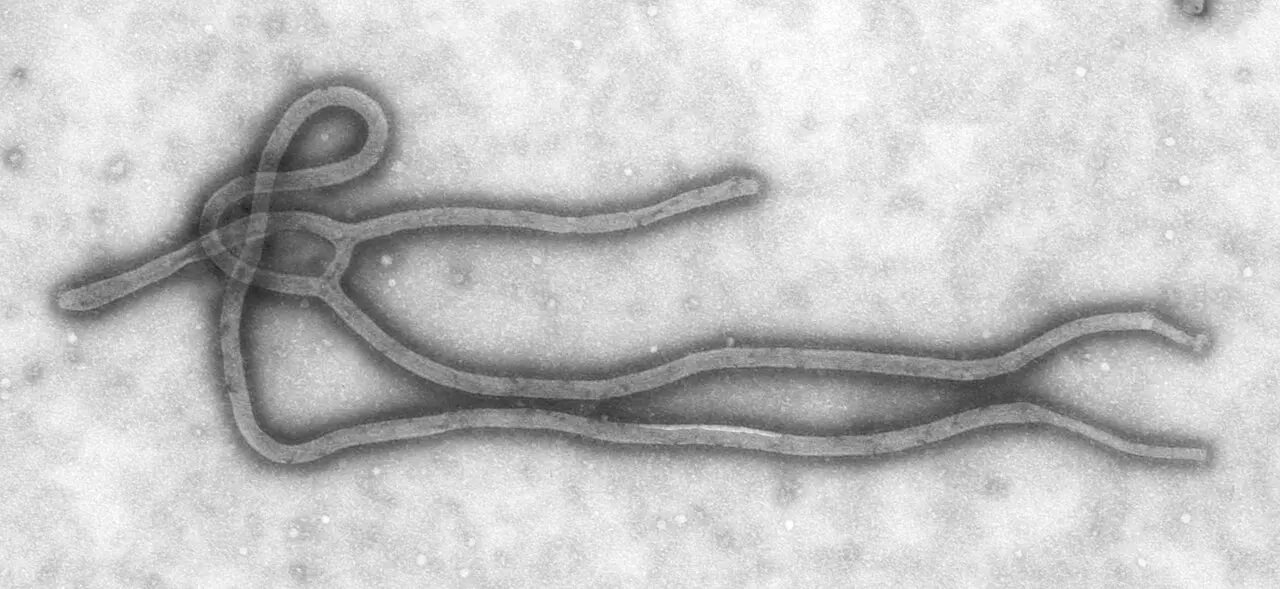
Conflict and displacement are disrupting livelihoods, access to markets and food supplies in the east of the country. The IPC also cites the spread of the Ebola outbreak, rising food and fuel prices, floods and the possible effects of the El Niño weather phenomenon among the aggravating factors. Displaced people, returnees, refugees and poor households are among the groups most exposed.
This alert adds to concerns expressed after the WFP’s call to mobilise $214 million for food aid in the DRC on 26 October 2026. It also follows a report that 3.5 million people had been hit by food shortages, published on 24 October.