South African debt should finance sustainable assets
By the AFREEQUE newsroom, based on Business Day (South Africa)
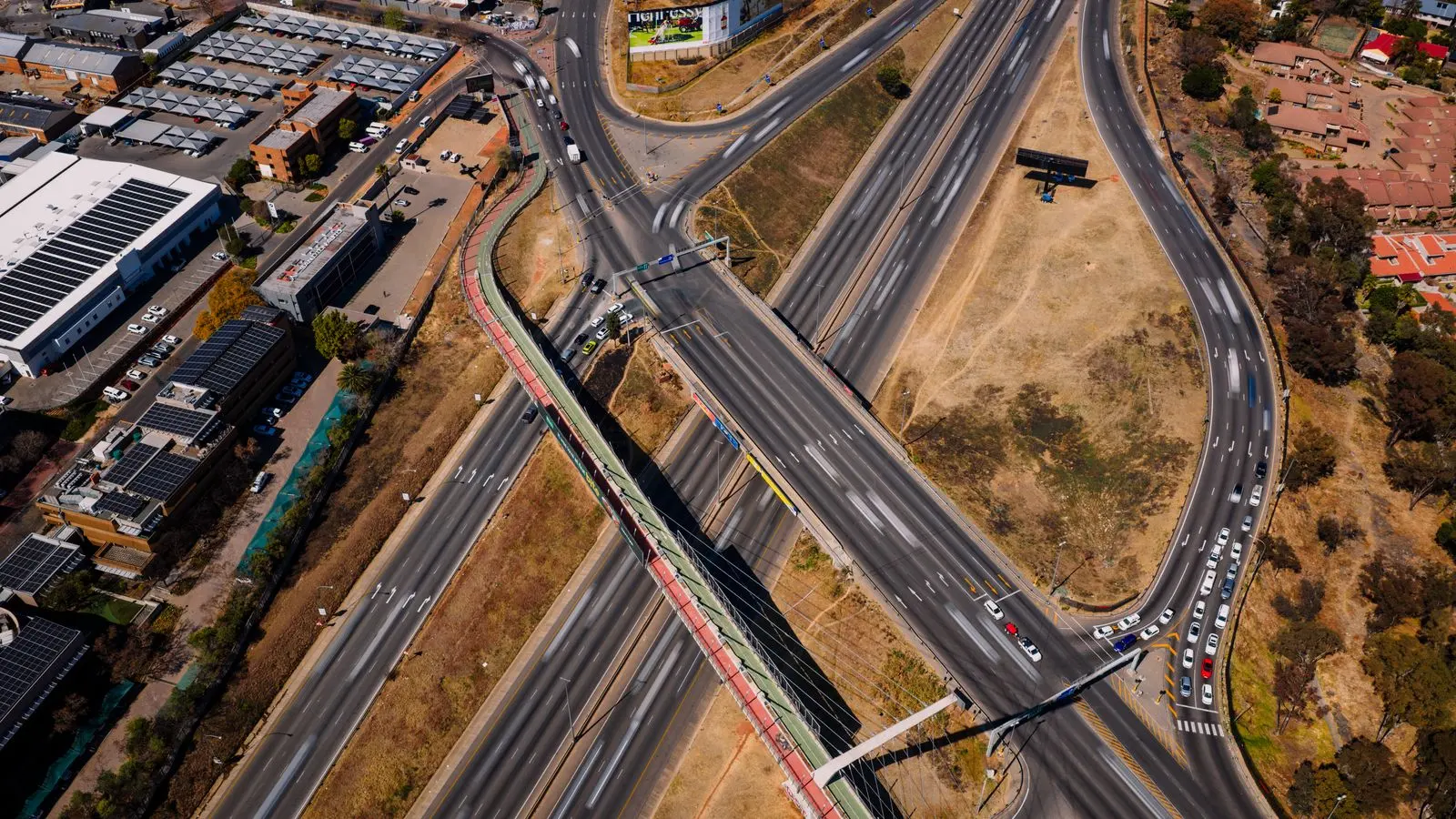 Illustrative image · K · Pexels · Licence Pexels
South Africa's public debt should be assessed according to its ability to finance sustainable infrastructure and investment, beyond its weight in the economy. Poorly managed debt can reduce fiscal room without producing the expected benefits, according to Akanksha Singh in Business Day.
South Africa's public debt should finance sustainable assets and not merely be judged by its ratio to GDP, Business Day says the day after the presentation of the October 2026 medium-term budget. The government reported gross debt stabilised at 78.4% of GDP in 2025/26, projected at 78.2% in 2026/27, then 79.8% in 2027/28 before declining.
Debt-servicing costs are estimated at 441.5 billion rand in 2026/27. These projections remain sensitive to growth, inflation, interest rates, revenue and the government's ability to maintain its fiscal consolidation path, the financial daily stresses.
For Business Day, a falling ratio is not enough: a country can improve its debt position while its infrastructure deteriorates and local services decline. Conversely, borrowing to finance a well-managed investment — a water, transport or electricity network — spreads its cost across the generations that benefit from it, while poorly used borrowing leaves the country repaying debt without the expected facilities or economic gains.