Senegalese expert calls end of MINURSO mandate a turning point in the Sahara
By the AFREEQUE newsroom, based on MAP
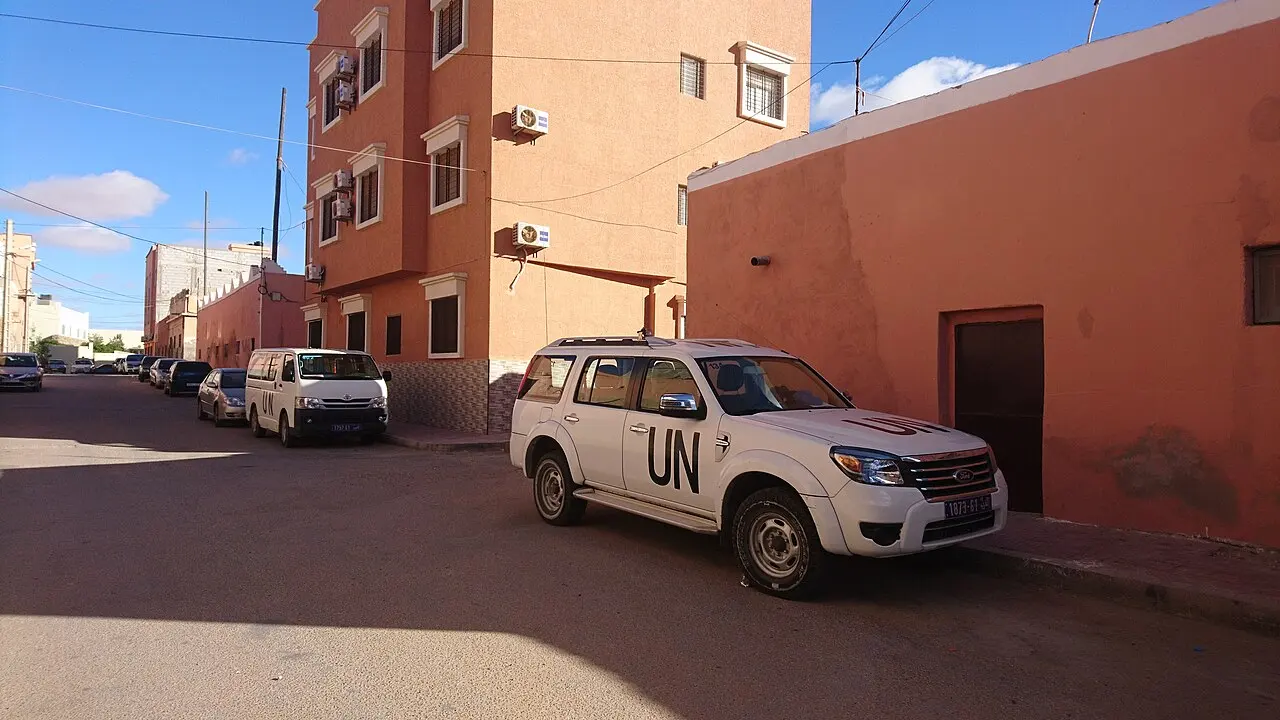
Abdoul Latif Aïdara, director-general of the International Centre for Security and Peace for Africa, says the end of MINURSO’s mandate marks a turning point in the handling of the conflict in the Sahara. He backs Morocco’s autonomy plan as a way to settle the conflict and considers current mechanisms unsuitable, in a statement to MAP.
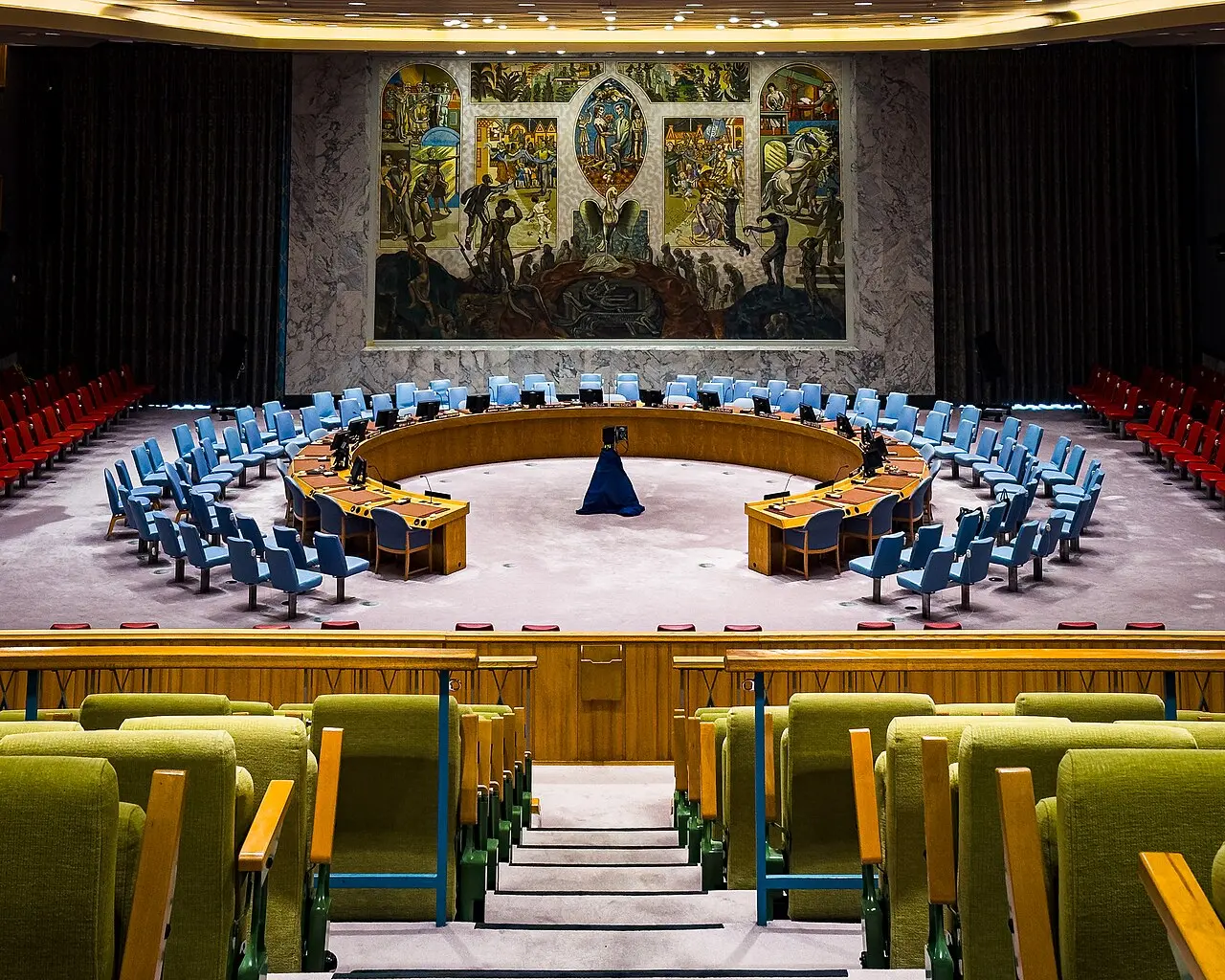
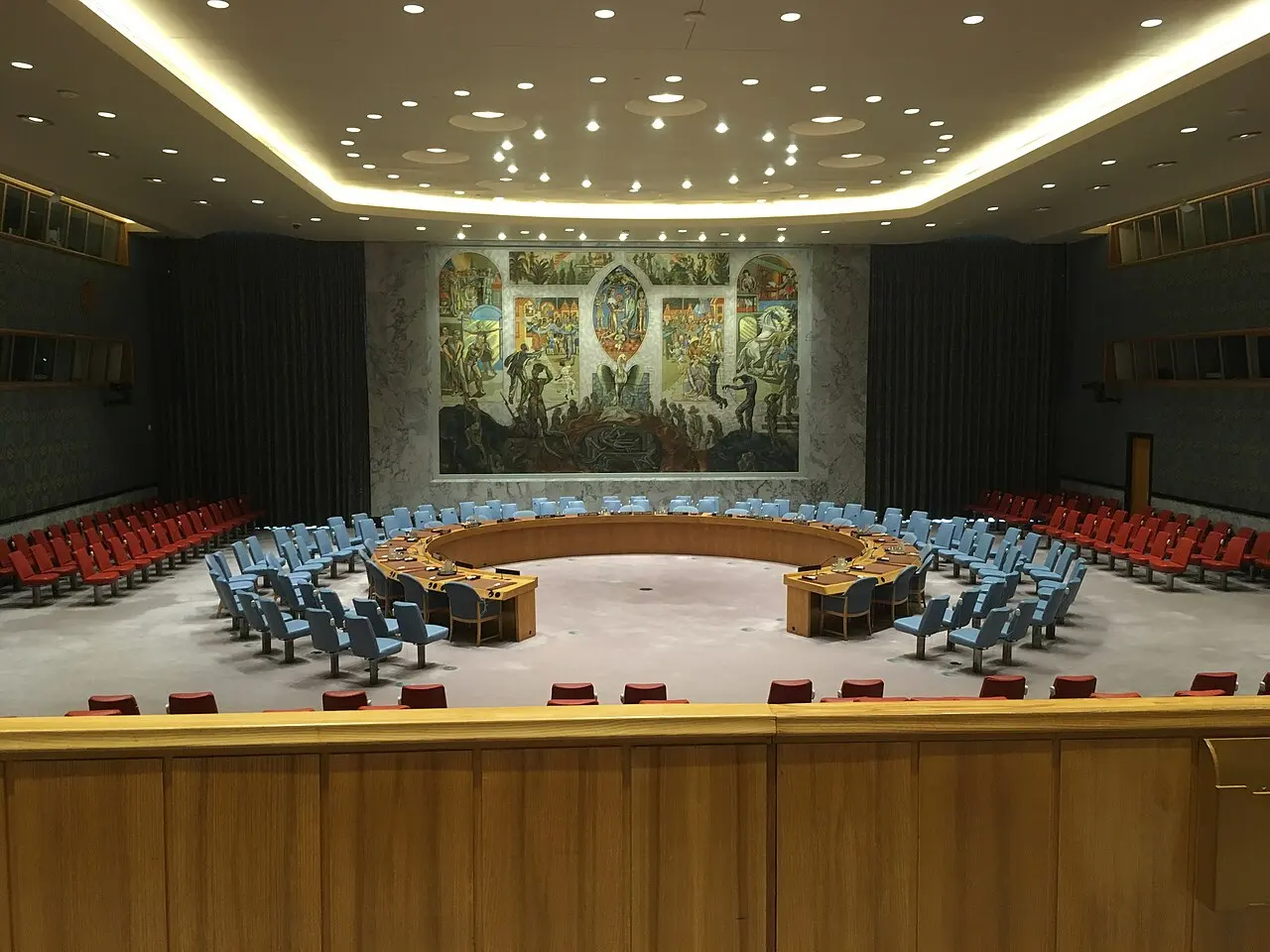
The UN Security Council’s decision not to renew MINURSO’s mandate marks a “major turning point” in the handling of the question of the Sahara, Abdoul Latif Aïdara, director-general of the International Centre for Security and Peace for Africa (CISPAIX), said in an interview with MAP. In his view, the mission’s mandate no longer reflects current realities.
Abdoul Latif Aïdara believes growing international support for Morocco’s autonomy initiative, enshrined in Resolution 2797, reflects a shift in positions at the Security Council. He considers it necessary to replace traditional settlement mechanisms with a framework he regards as better suited, and presents the autonomy plan proposed by Morocco as the only path to a lasting settlement.
His comments follow the UN’s rejection of Russia’s draft proposal to extend MINURSO in the Sahara, and subsequent favourable reactions to Moroccan autonomy, including that of Mohamed El Ghali.