The latest news from Southern Africa, summarised in English country by country — South Africa, Namibia, Botswana, Zimbabwe… — from the local press. 4,574 articles published.
✓Updated around the clock from 450+ African and international news outlets in 54 countries. Every article names its source. Our method
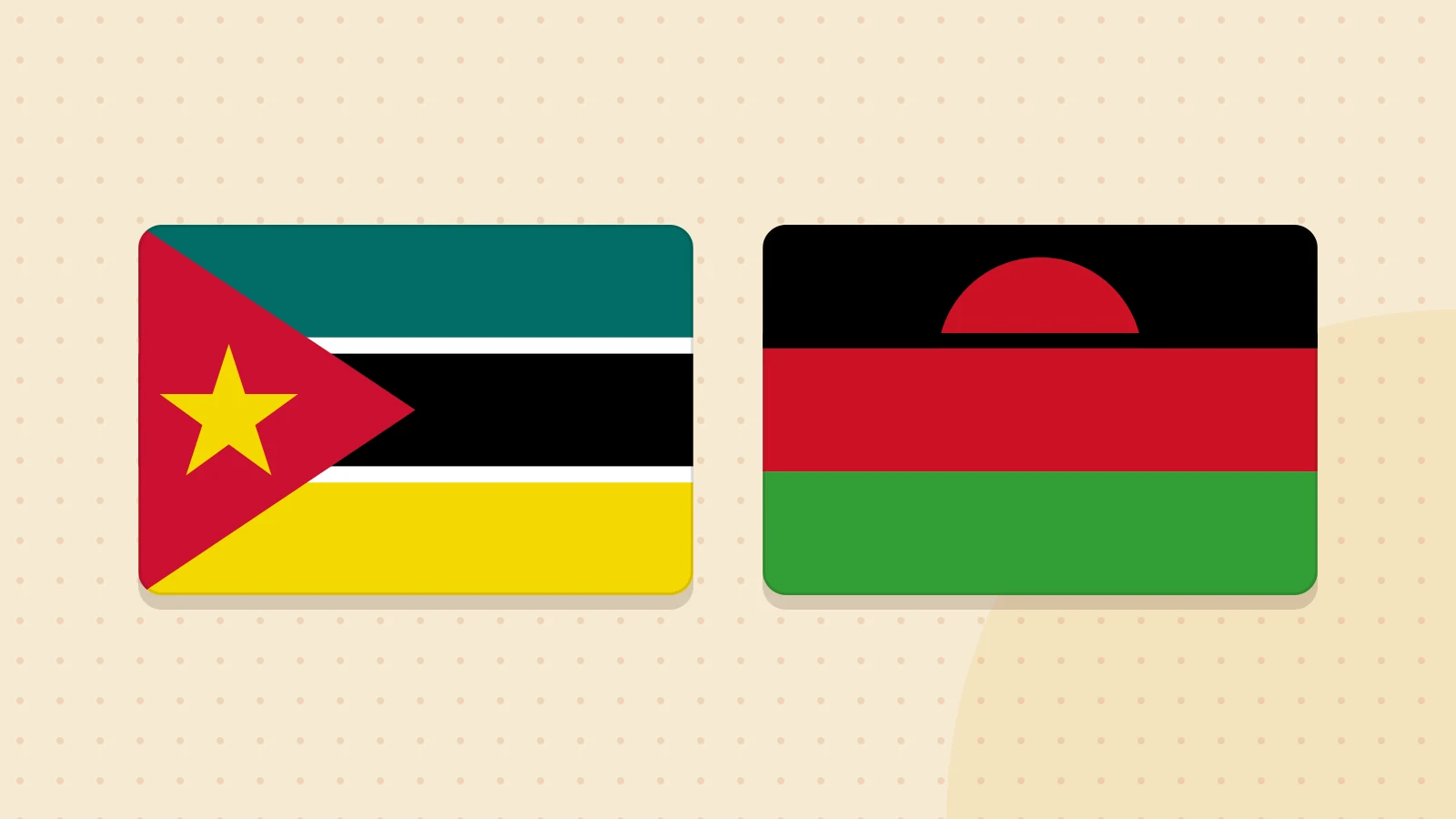
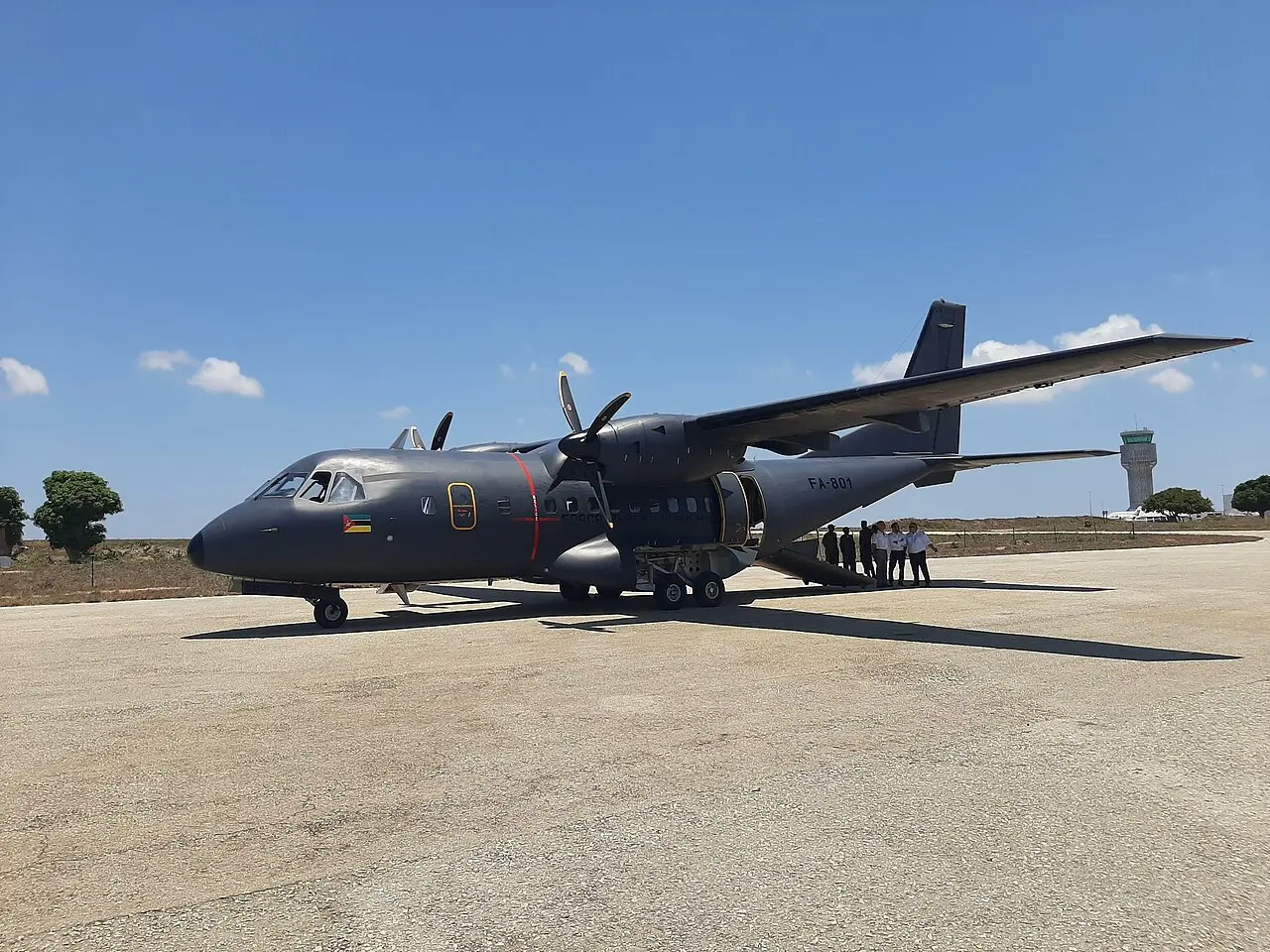
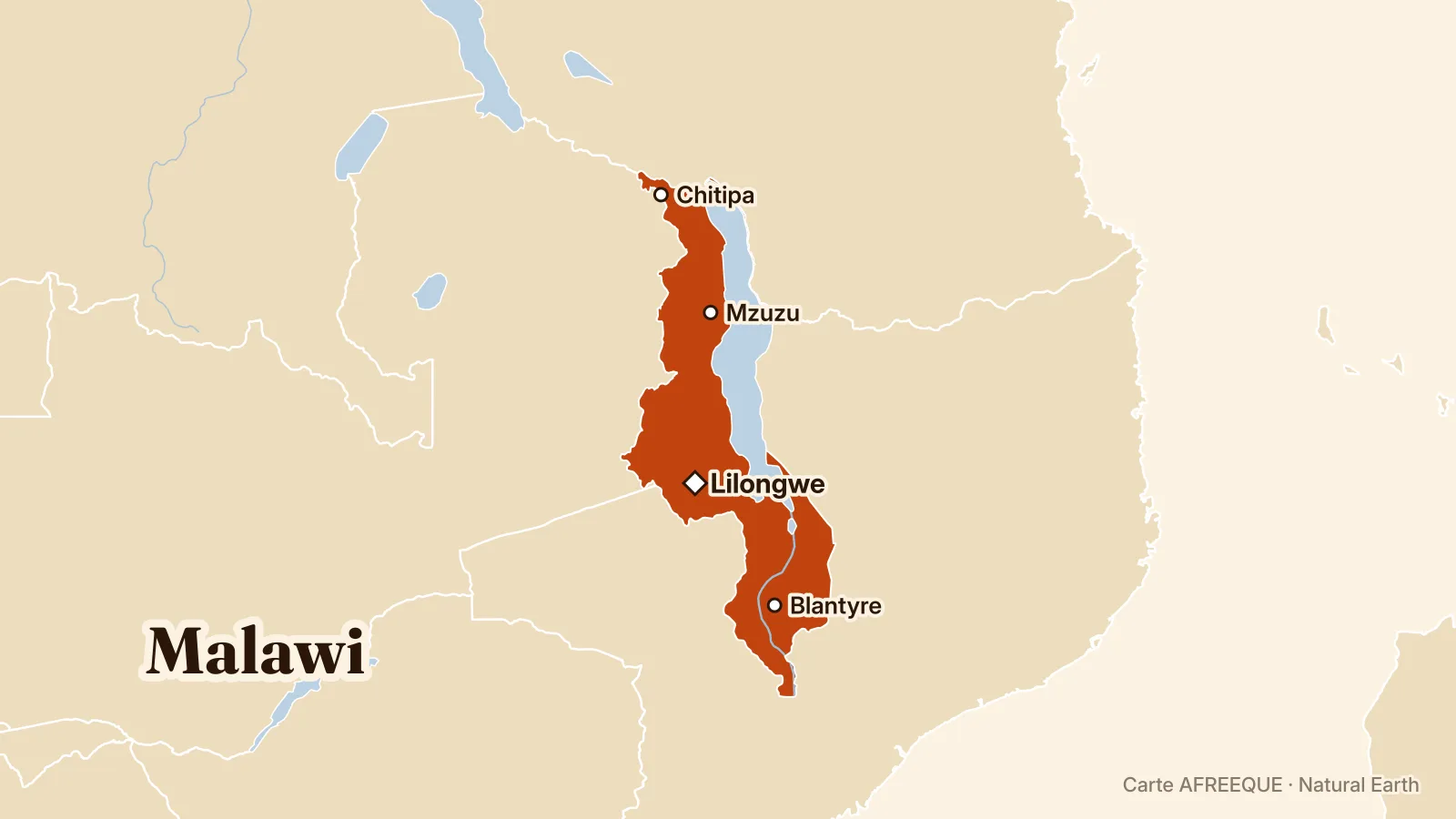
Mozambique and Malawi want to strengthen intelligence-sharing, joint patrols and military exercises to combat trafficking, terrorism and illegal immigration. The measures are being discussed in Blantyre during the 17th session of their joint defence and security commission, according to the Mozambique Information Agency.
The Bank of Namibia is requiring commercial banks to offer repayment deferrals, loan restructuring and expanded credit to struggling farmers. Directive BID-42 aims to limit the economic impact of foot-and-mouth disease and El Niño-related climate conditions on Namibian agriculture, New Era reports.
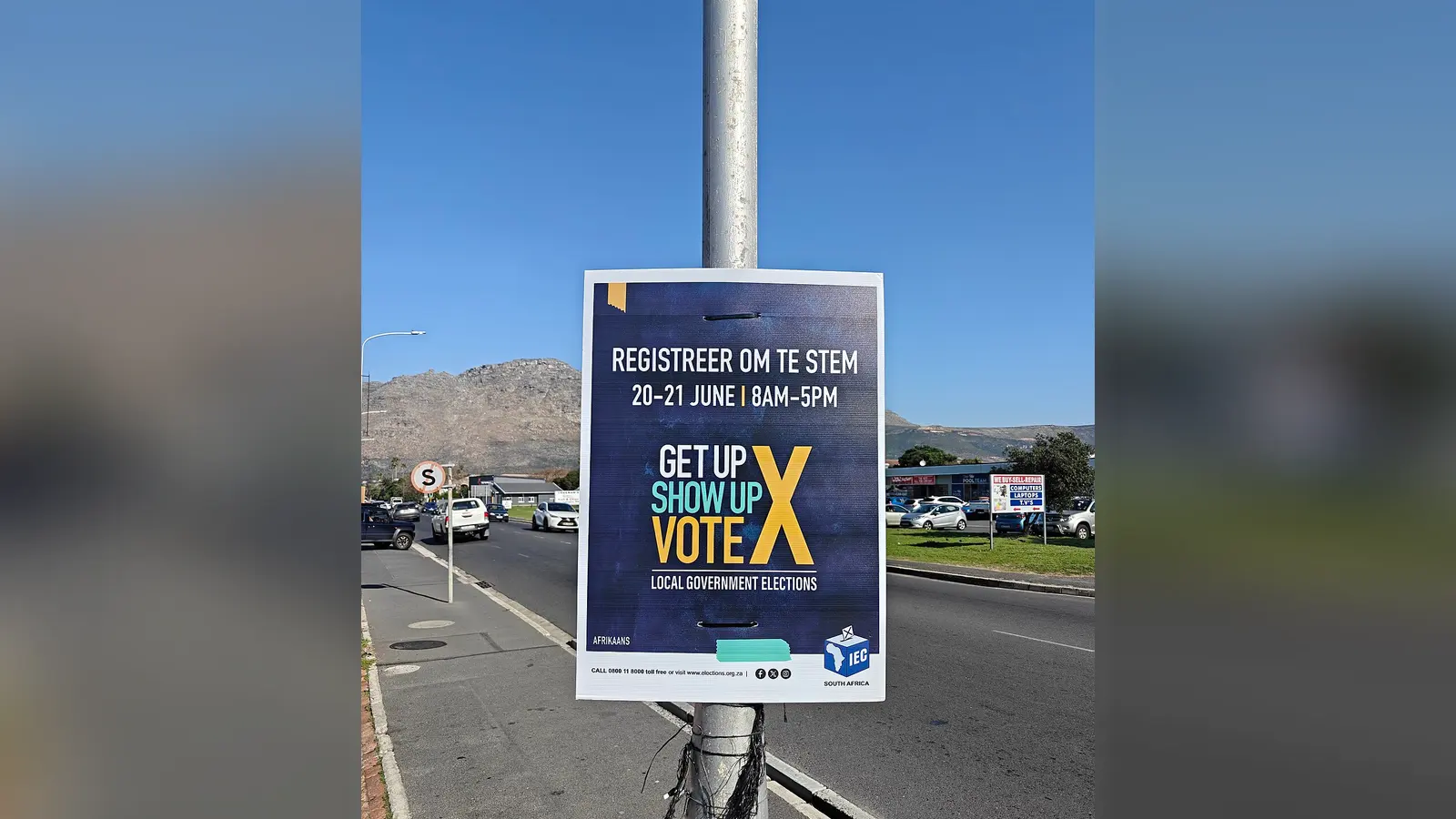
South Africa’s municipal election special vote saw opening delays, inaccessible seating and equipment problems in Germiston. The difficulties, particularly for older people and those with limited mobility, raise questions about preparations for the main poll on 4 November, reports the Mail & Guardian.
The United States is removing South Africa and Rwanda from AGOA, ending their preferential access to the US market from 1 January 2027, according to O País citing African News and several media outlets. Washington cites trade barriers and security considerations, while the withdrawal comes amid tensions with Pretoria and accusations against Kigali over the M23. France 24 reports fears over jobs and exporters’ margins.
Mozambique and Malawi are discussing joint measures against human trafficking, drug trafficking, smuggling and other cross-border threats. The 17th session of their permanent defence and security commission is being held in Blantyre, with a call to accelerate implementation of decisions from the previous session, according to Club of Mozambique.
South African police arrested a 32-year-old voter who allegedly photographed his marked ballot at a polling station in Limpopo. The incident occurred at Chuchekani Primary School during the special vote in the municipal elections, according to the provincial police spokesperson quoted by Sowetan.
South Africa’s acting Police Minister, Firoz Cachalia, has recommended Lieutenant-General Nhlanhla Mkhwanazi to lead the Hawks, the unit responsible for priority crimes. His appointment still needs government approval and must undergo a parliamentary process, amid a crisis of confidence in the police, reports Sowetan.
The South African government has promised to support sectors affected by the withdrawal of AGOA benefits, due to take effect on 1 January 2027. Trade Minister Parks Tau has called for dialogue with Washington to be maintained and for trade, investment and mineral processing to continue, according to BuaNews.
At least 14 people were reportedly killed last week in attacks attributed to insurgents between Muidumbe and Mueda, in Cabo Delgado, according to Carta de Moçambique, cited by the Agência de Informação de Moçambique (AIM). The victims, all from Muidumbe, were reportedly beheaded, according to Islamic State-linked channels, while residents and soldiers helped bury the bodies. ACLED and the International Organization for Migration report a rise in attacks targeting civilians and new displacement.
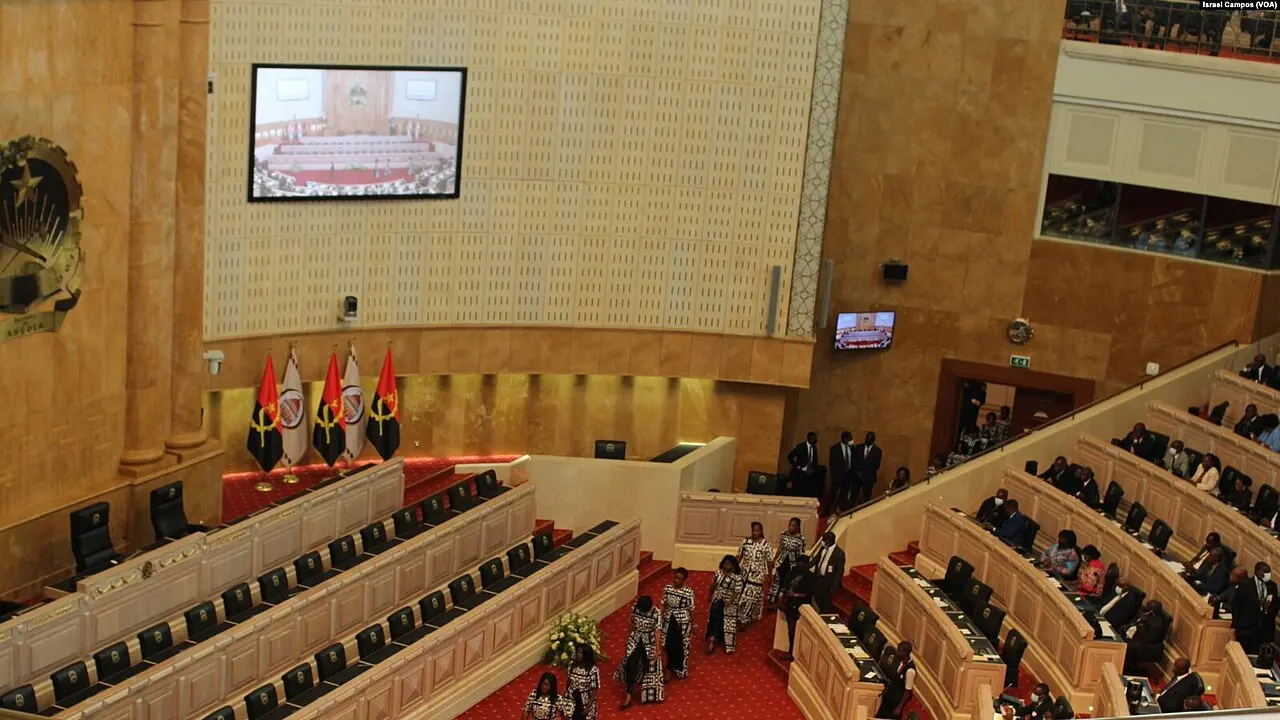
Angola’s draft 2027 budget plans to cut fuel subsidies to less than half, with a reference price of $71 a barrel and production expected to reach one million barrels a day. The 37.34 trillion kwanzas budget was submitted to parliament, according to Mercado.
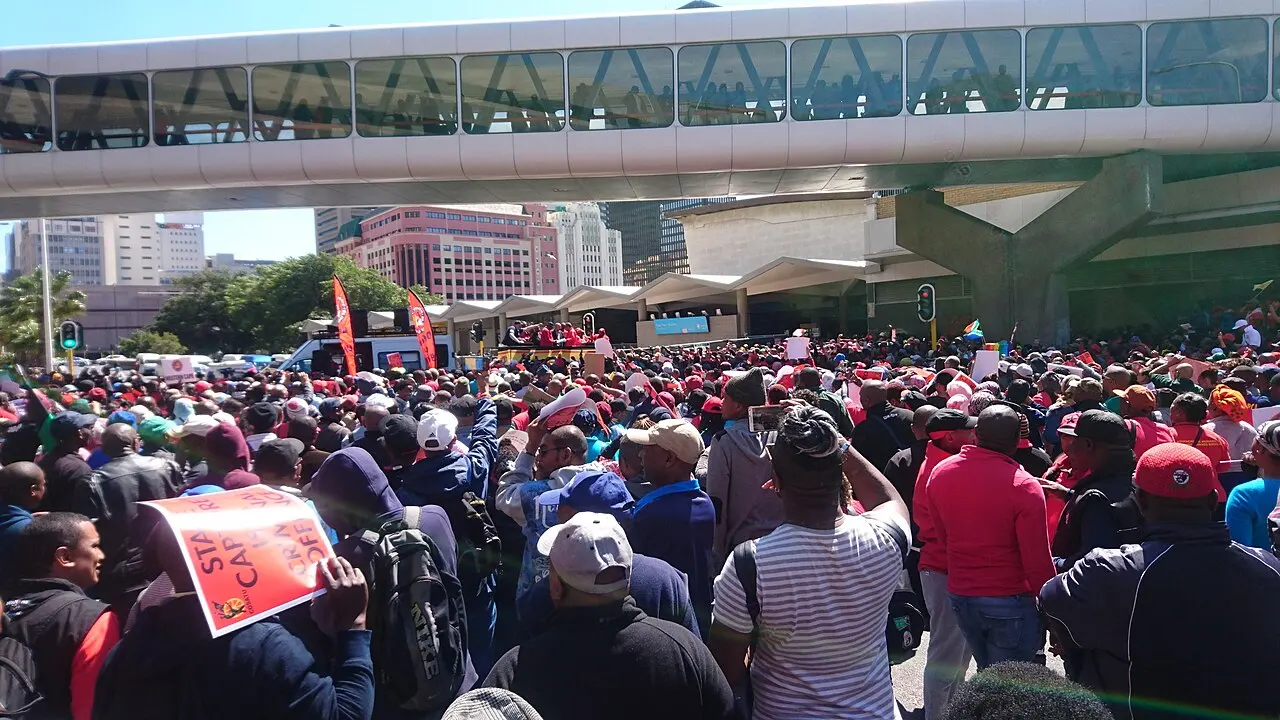
The United States removed South Africa from the AGOA trade programme from January, denying its exporters the scheme’s duty-free access. Trade union federation COSATU fears higher costs and job losses, particularly for exporting farmers, according to SABC News.
The United States plans to remove South Africa and Rwanda from AGOA on 1 January 2027, ending their duty-free access to the US market, according to Club of Mozambique, Rwanda Dispatch, the BBC and AGP. Washington cites trade barriers, security, human rights and foreign policy concerns; Pretoria criticises new demands, while Kigali denies supporting the M23.
Lastborn Shazi, a regional organiser for South Africa’s uMkhonto weSizwe (MK) party, was shot dead at his home in KwaZulu-Natal on Monday while taking part in an online municipal elections meeting, according to IOL and TimesLIVE. Police are investigating with no suspect identified and the party has called for calm, asking members not to speculate, according to TimesLIVE.
Malawi’s Human Rights Defenders Coalition plans demonstrations on 17 November in Lilongwe, Zomba and Mzuzu to demand the energy minister’s resignation. It intends to protest persistent fuel shortages and power cuts, and call for lasting measures, according to its statement signed by Madalitso Banda and Kelvin Chirwa.
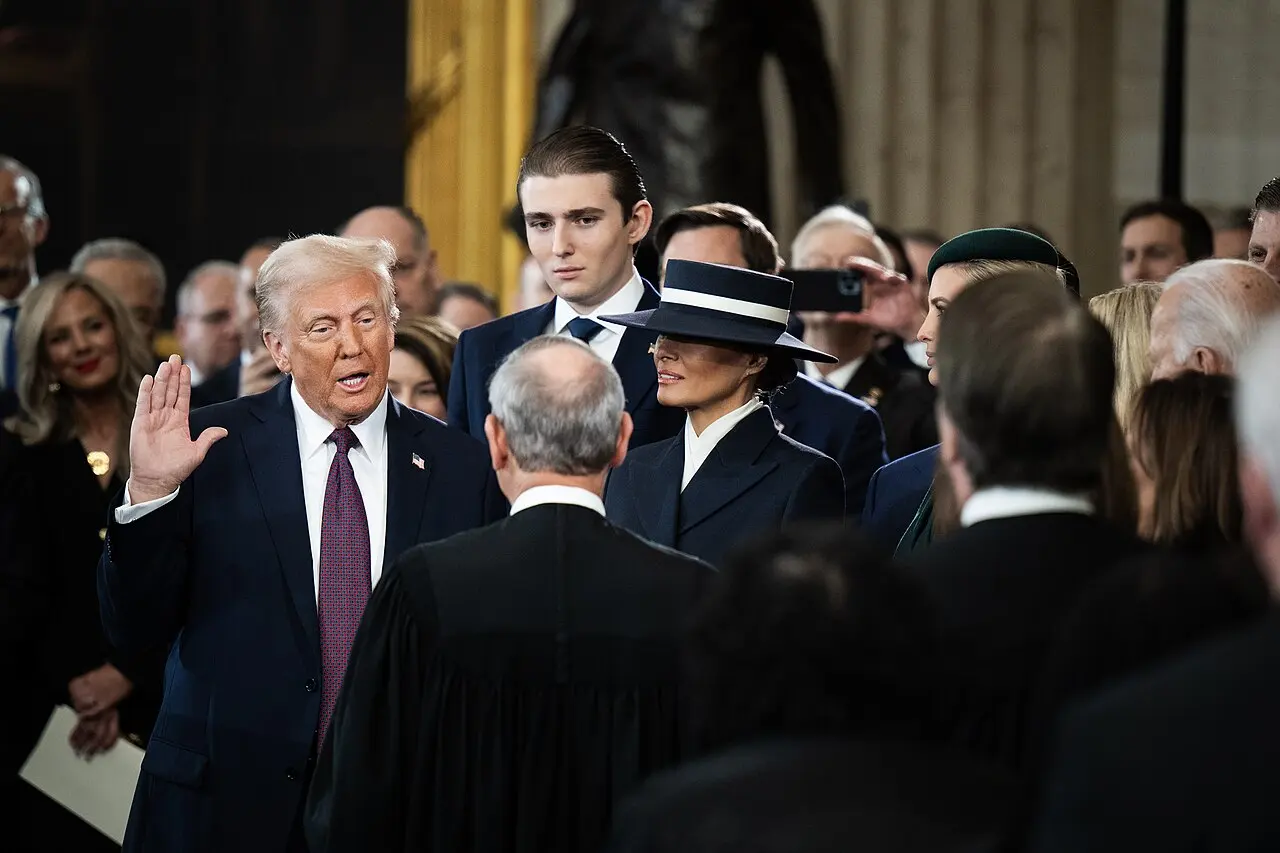
Donald Trump notified Cyril Ramaphosa of his intention to withdraw South Africa’s AGOA beneficiary status from 1 January 2027, citing trade and security concerns, according to Zambian Observer and Scrolla.Africa. Pretoria said on 2 November that it would support affected sectors and continue negotiations, while disputing the US presentation of the discussions, according to the South African government.
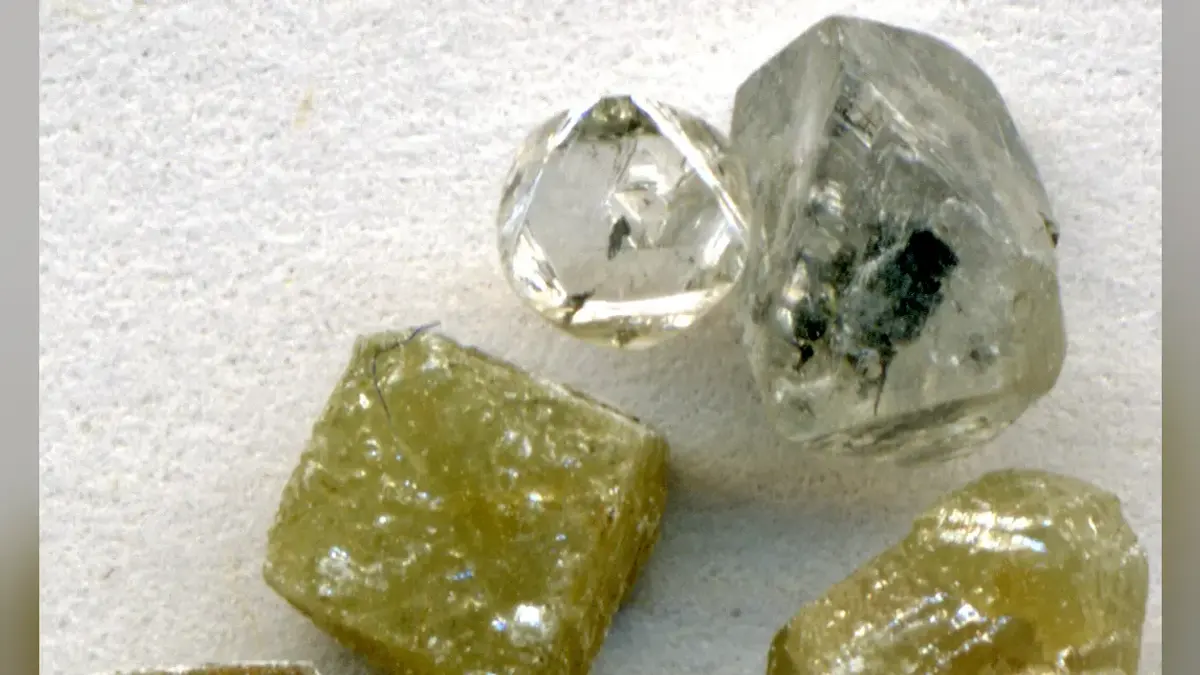
Namibia’s mines minister, Modestus Amutse, referred allegations of corruption and irregular diamond exports involving officials at the Namibia Diamond Trading Company and a private company to the Anti-Corruption Commission. The referral, made on 30 October, calls for an independent investigation; the state company’s chief executive, Brent Eiseb, has been placed on precautionary leave, the Windhoek Observer reports.
The Gauteng High Court set aside the award to Sizekhaya Holdings of South Africa’s fourth national lottery and sports betting licence. Trade and Industry Minister Parks Tau must reconsider the choice within 12 months, while the lottery will continue operating during the transition, IOL reports.
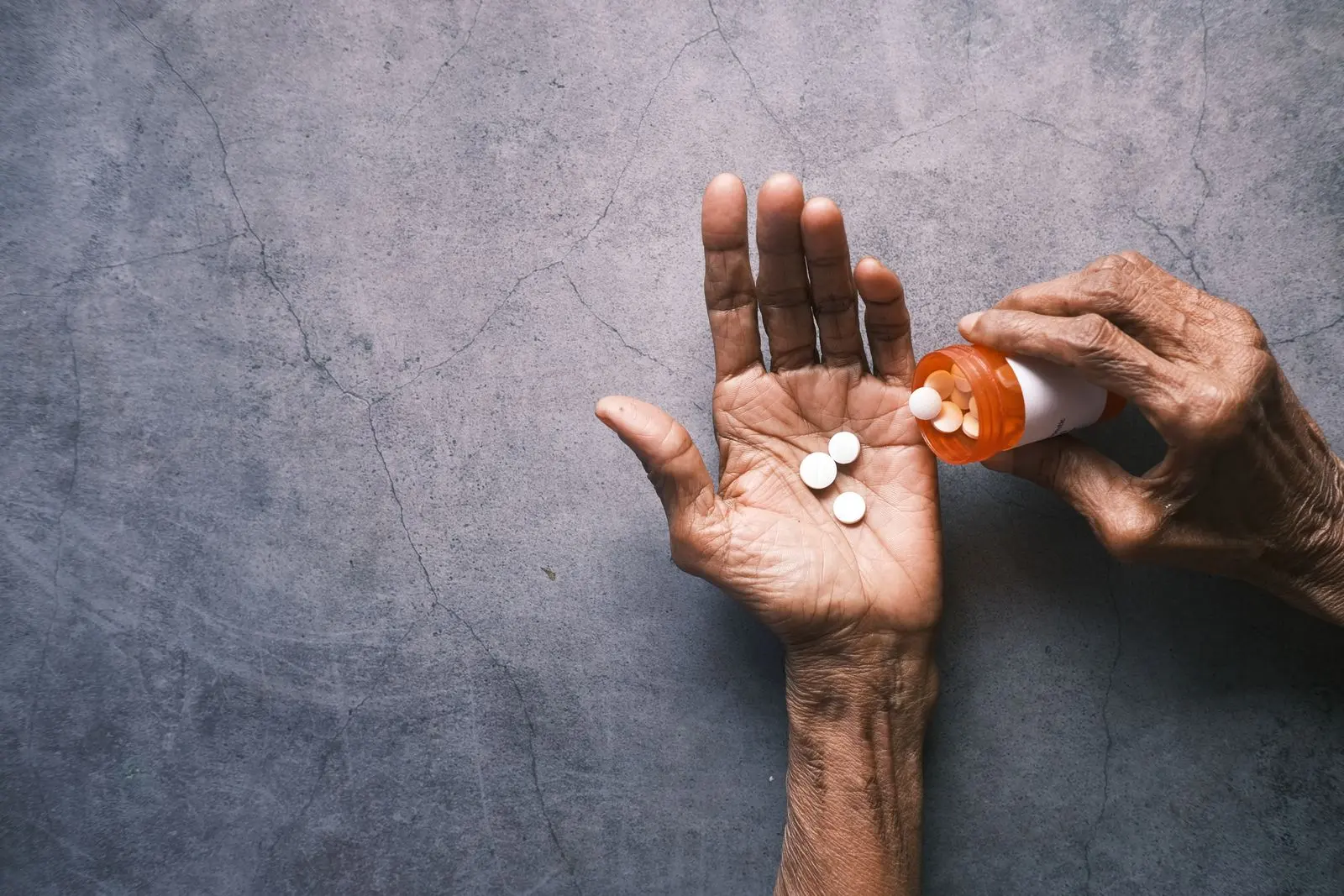
Medicine shortages in South African public facilities are forcing some patients with chronic illnesses to receive reduced quantities or substitute treatments. The South African Health Ministry acknowledges supply difficulties in some districts and is seeking alternative medicines, according to its spokesperson Foster Mohale.