Nigerian small business association warns over $21.7 billion borrowing plan
By the AFREEQUE newsroom, based on Leadership
 Illustrative image · PNW Production · Pexels · Licence Pexels
The Association of Small Business Owners of Nigeria warns of the risks posed by the proposed $21.7 billion in external borrowing, which could add about 30 trillion naira to public debt. Its president, Femi Egbesola, says the loans are justified only if they fund productive projects that create jobs and revenue, according to Leadership.
The Association of Small Business Owners of Nigeria (ASBON) warns that the proposed $21.7 billion in external borrowing could worsen debt risks if the funds are not used for projects that generate revenue, jobs and measurable economic benefits. Its president, Femi Egbesola, says weak public revenues make debt sustainability a concern, Leadership reports.
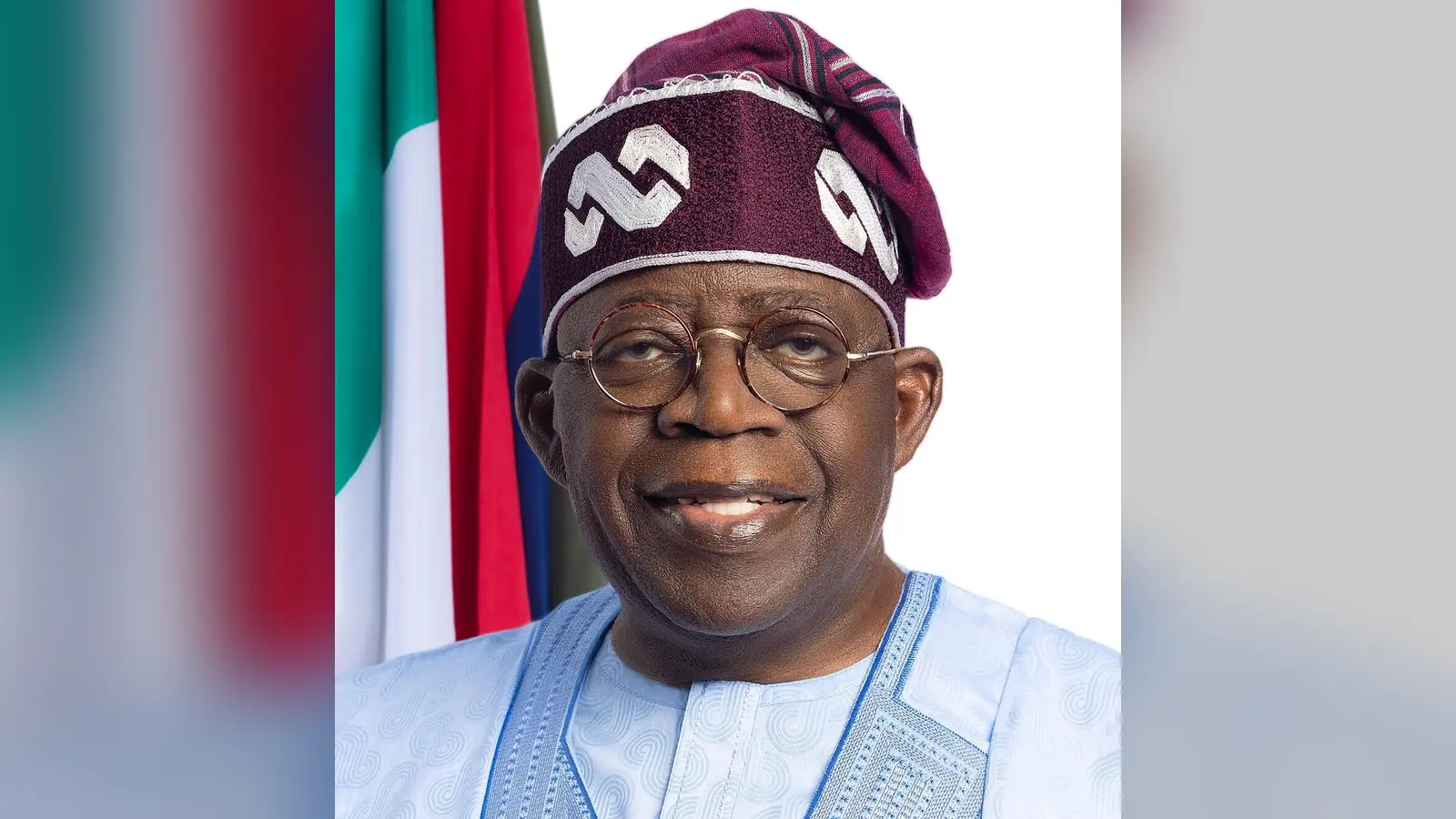
Nigerian President Bola Tinubu has asked Parliament to approve $20.52 billion and €1.045 billion in borrowing for 2026-2027. The funds would target electricity, transport, health, education, agriculture and security, among other areas. The Senate referred the request to its committee on local and foreign debts for consideration; final approval had not been secured by Tuesday, according to Leadership.
If fully disbursed, the loans could add about 30 trillion naira to public debt, Egbesola says, based on an exchange rate of 1,400 naira to the dollar. Public debt stood at 166.79 trillion naira on 30 June 2026, up from 159.35 trillion at the end of March, according to Nigeria’s Debt Management Office.
Egbesola also highlights the risk posed by exchange rates: a depreciation of the naira would raise the domestic-currency cost of repaying loans in dollars and euros. The association says the debt-service-to-revenue ratio is particularly useful for assessing the share of public income absorbed by repayments.
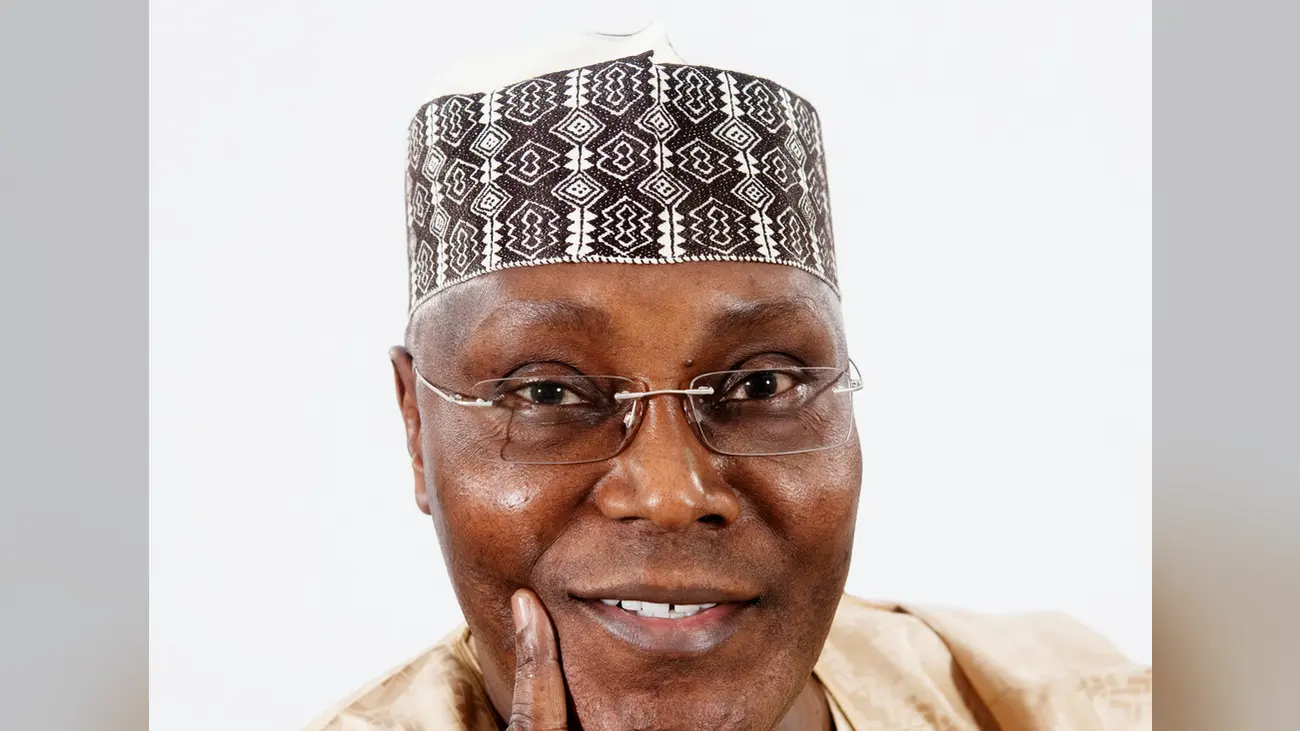
The Nigerian Senate is considering Tinubu’s borrowing request, submitted on 27 October. On the same day, former vice-president Atiku Abubakar asked the Senate to reject the external borrowing.