Top stories

Nigeria’s reforms stabilise economy but leave households under pressure

By , based on Vanguard

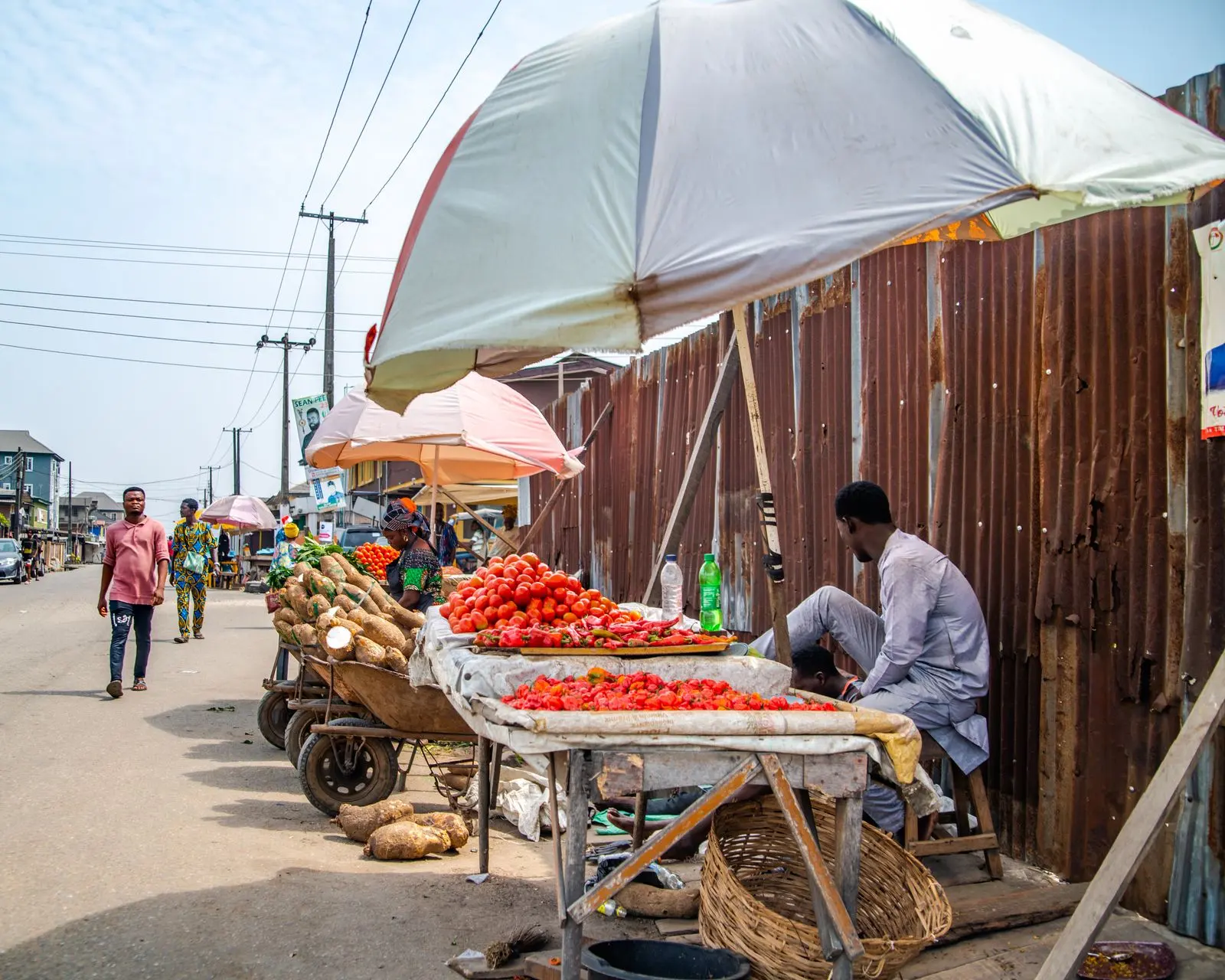
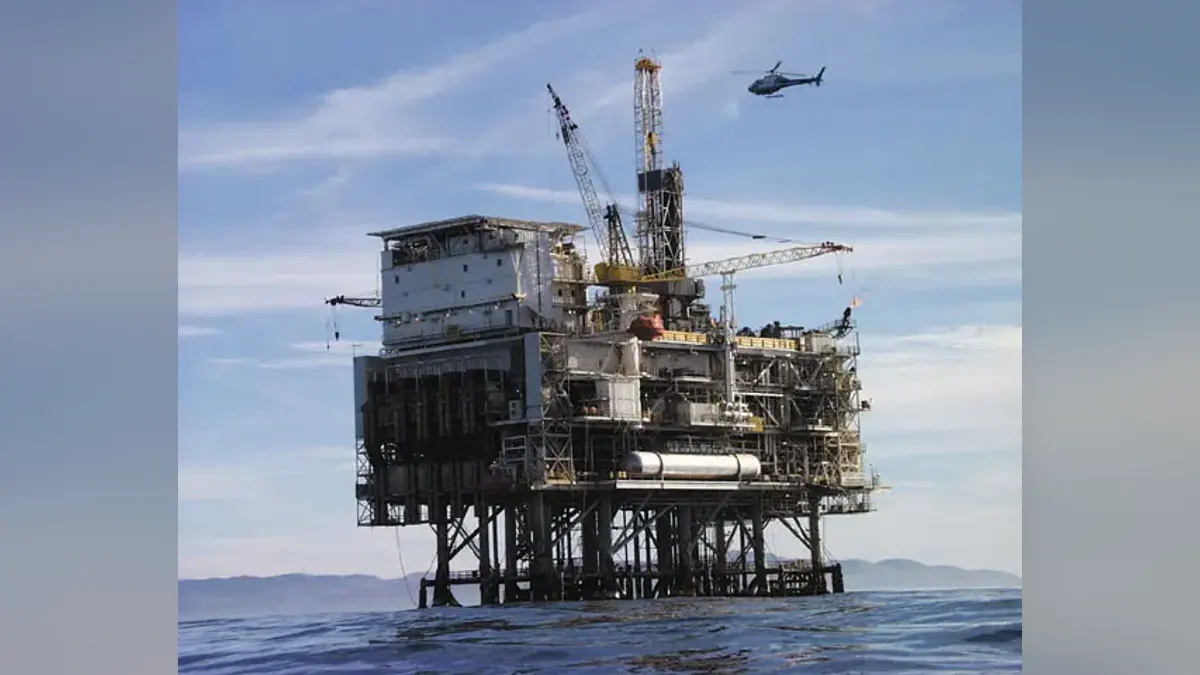
Nigeria’s reforms stabilise economy but leave households under pressureIllustrative image · mk_photoz · Pexels · Licence Pexels

The Nigerian Economic Summit Group says reforms undertaken over the past three and a half years have produced mixed results: growth and external reserves are rising, but food inflation remains high. Its president, Niyi Yusuf, says economic stabilisation creates favourable conditions but does not guarantee tangible improvements for businesses and households, according to Vanguard.

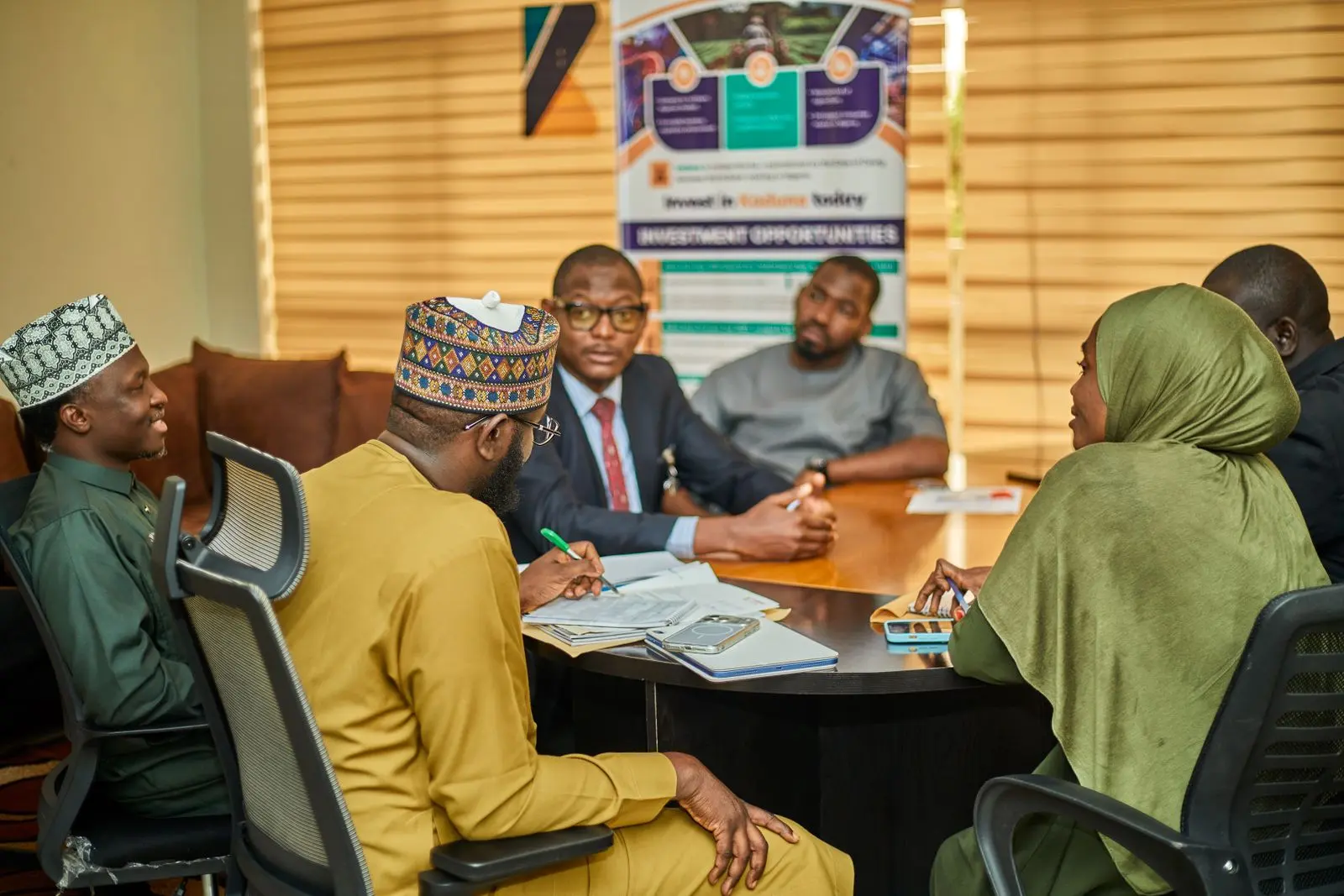
Nigeria’s economic reforms have stabilised some macroeconomic indicators, but their effects remain limited for businesses and households, Niyi Yusuf, president of the Nigerian Economic Summit Group (NESG), said at the 32nd Nigerian Economic Summit in Abuja on Monday. Real GDP grew by 4.43% year on year in the second quarter of 2026, after 3.89% in the first quarter, while headline inflation fell to 14.63% in September from 34.8% in 2024.

The easing has not led to a lower cost of living: food inflation was still 19.59% in September. Yusuf also noted an approximately 11.6% contraction in electricity and gas production in the first half of 2026. Electricity generation fell from 5,400 MW in the fourth quarter of 2025 to 4,454 MW in the second quarter of 2026.

Gross foreign reserves stood at about $55.1 billion in October. Nigeria attracted nearly $23.2 billion in foreign capital since the start of 2026, but portfolio investment dominated and foreign direct investment remained low. Public debt reached 166.79 trillion naira in June, while debt servicing accounted for about half of federal revenue.

Yusuf also reported maximum lending rates close to 29.2% in August and a fall in credit to the private sector to 18.1% of GDP. For the NESG president, stabilisation can create the conditions for economic progress, but is not enough to deliver it.

The NESG’s findings are part of the debate on the effects of Nigeria’s economic reforms, while the government is seeking, among other things, to bring inflation below 10% before the end of 2027, in line with the target announced by Nigeria.
Share this article

Related stories

Tinubu praises Dangote for creating jobs and reducing imports

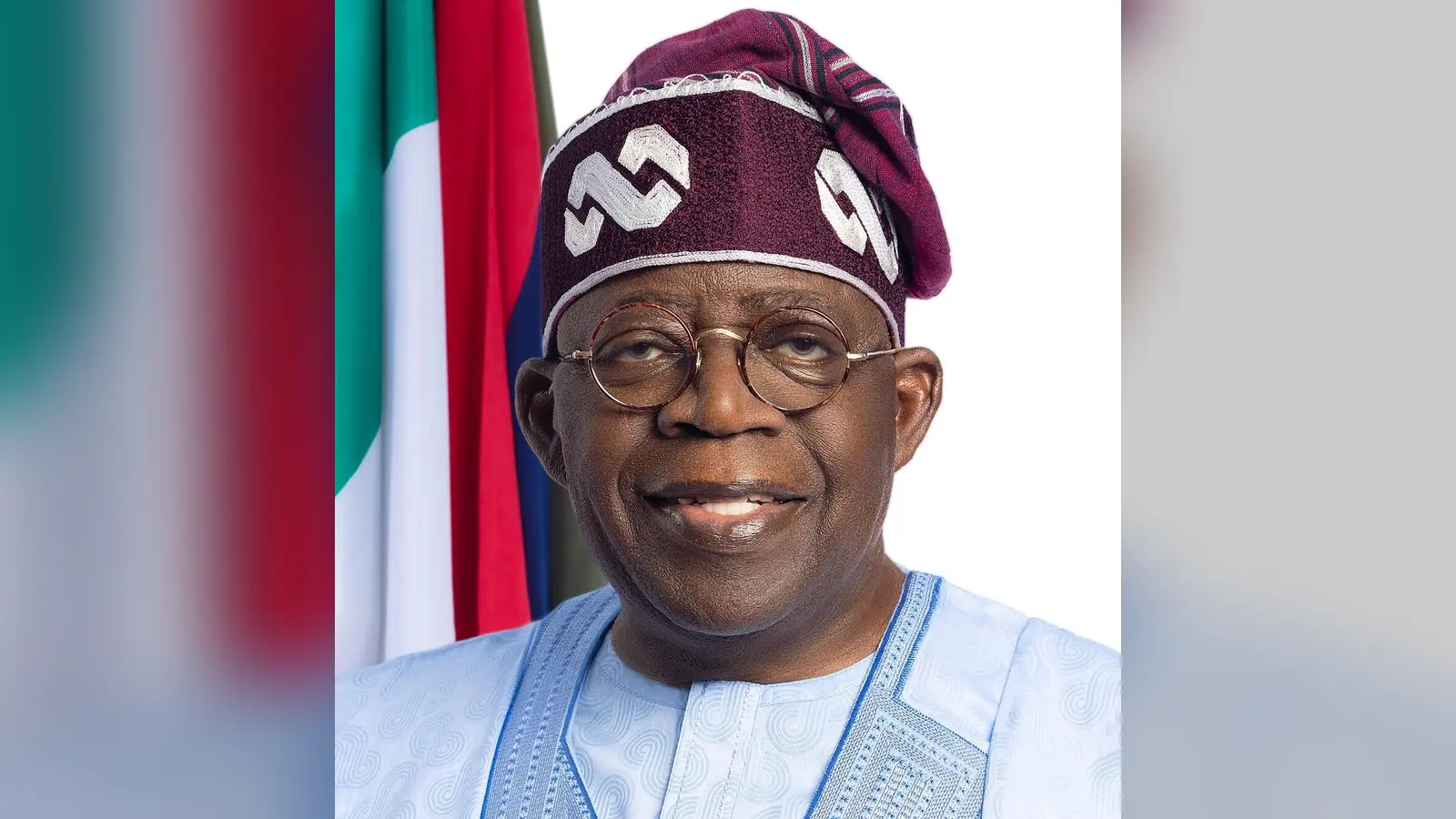
Nigerian President Bola Ahmed Tinubu says Dangote Group investments support job creation, local production and reduced imports. Its activities, from cement production to oil refining, strengthen domestic supply chains, according to Punch, which reports remarks made at Nigeria's economic summit in Abuja.

🇳🇬 Nigeria · Source: Punch ·

Shettima rejects return of fuel subsidies in Nigeria

Nigerian Vice-President Kashim Shettima rejected a return to fuel subsidies and defended their removal by President Bola Tinubu in 2023. He said such a reversal would weaken the country’s fiscal stability at the Nigerian Economic Summit in Abuja, according to Punch.

🇳🇬 Nigeria · Source: Punch ·

Tinubu seeks to stem Nigerian doctors’ exodus

Nigerian President Bola Tinubu wants to stem the departure of doctors and other health professionals abroad by strengthening recruitment, training and working conditions. More than 30,000 professionals have been recruited into federal facilities in two and a half years, he said, according to Punch.

🇳🇬 Nigeria · Source: Punch ·

Nigeria targets inflation below 10% before end of 2027

Nigeria’s government is targeting single-digit inflation before the end of 2027, but analysts say high energy costs, supply shortages and insecurity could jeopardise the goal. Finance Minister Taiwo Oyedele presented the target as a way to lower interest rates and support growth, according to Leadership.

🇳🇬 Nigeria · Source: Leadership ·

🇳🇬 Latest from Nigeria

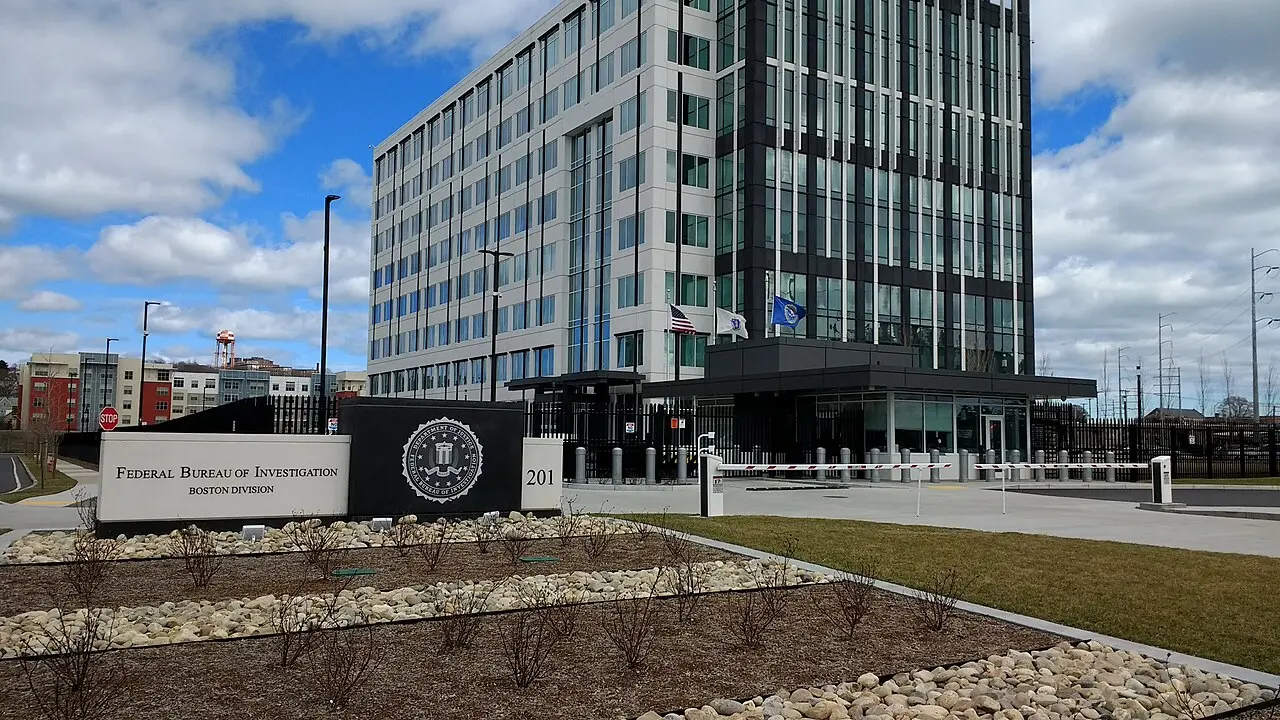
FBI arrests nine suspects in Nigeria and targets $11 millionFBI arrests nine suspects in Nigeria and targets $11 millionThe FBI has arrested nine suspects in Nigeria as part of Operation Blackout against international online fraud networks, seized 53 devices and identified $11 million that could potentially be frozen. FBI Director Kash Patel praised co-operation from Nigerian authorities and partners in London.All Nigeria news →

Business in West Africa

Liberia invests 35 million dollars in petroleum storageLiberia invests 35 million dollars in petroleum storageLiberian President Joseph Nyuma Boakai has launched a 35 million dollar project to add 50,000 tonnes of petroleum storage and the country’s first facility for loading fuel onto ships. The expansion is expected to raise the Liberia Petroleum Refining Company’s storage capacity to 50% of the national total, according to the presidency.All Business news →

The week in Africa

This week’s highlights

  1. Algeria to send soldiers to Niger to protect economic interests🇩🇿 Algeria
  2. Ebola affects 66 health zones in seven Congolese provinces🇨🇩 DR Congo
  3. In Brazil, Flávio Bolsonaro drops bid to annul Lula’s victory🇧🇷 Brazil
  4. Tinubu vows to rehabilitate Nigeria’s dormant refineries🇳🇬 Nigeria
  5. Trump urges Netanyahu to complete offensive against Iran🇮🇱 Israel
All of this week’s highlights →

Africa in your inbox

Be the first to get our letter in English: the essentials from every region of the continent, free.

← Back to the news