Nigeria avoids collapse after foreign exchange reserves crisis
By the AFREEQUE newsroom, based on P.M. News
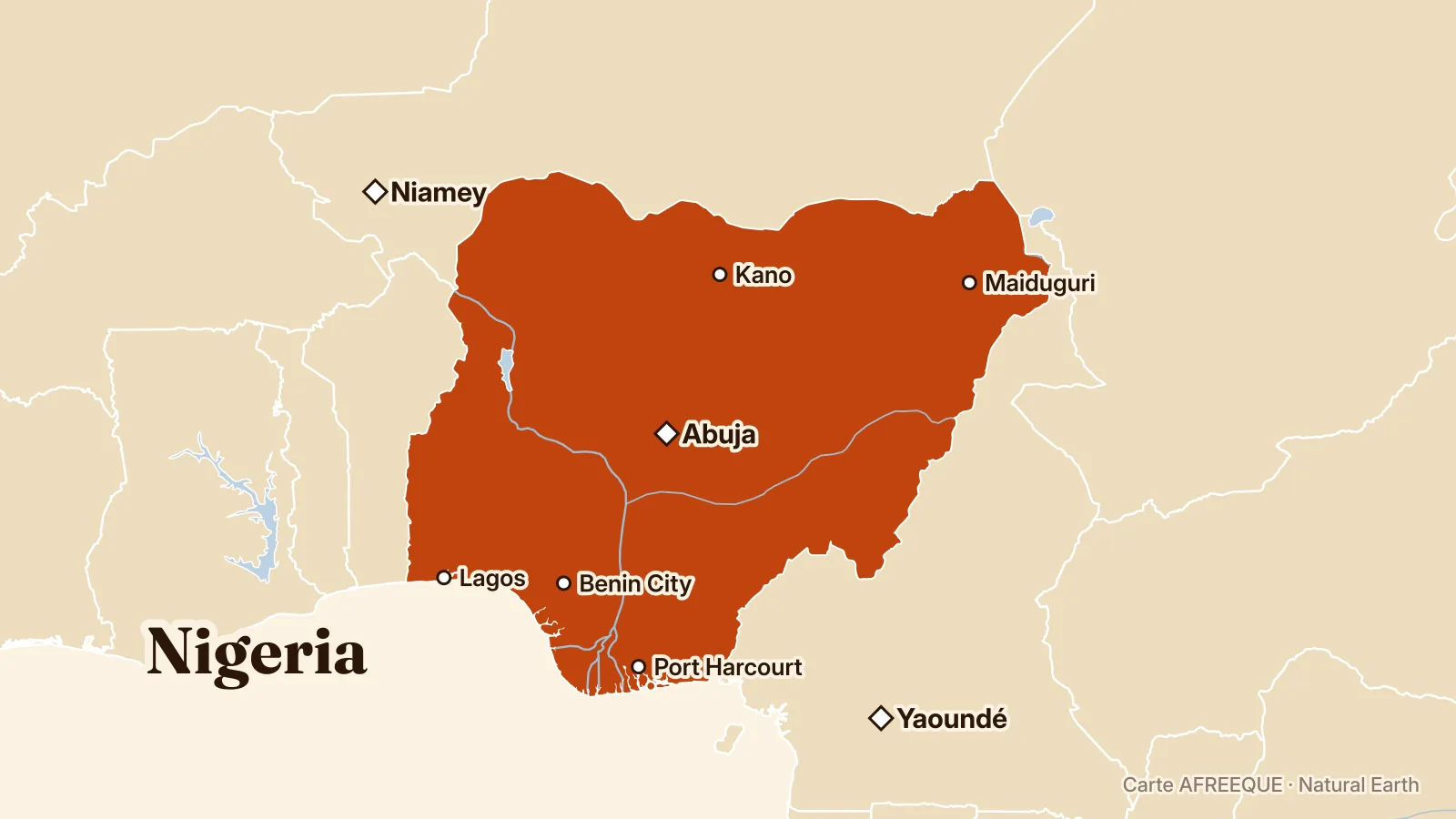
Nigeria avoided economic collapse after a foreign exchange reserves crisis, with reserves falling to $859 million in May 2023, according to a review published by P.M. News. The report examines the effects of the improvement and the difficulties that remain, after inflation peaked at 34.19% and the gap between official and parallel exchange rates exceeded 60%.
Reforms undertaken in Nigeria after the foreign exchange reserves crisis prevented an economic collapse, when net reserves had fallen to just $859 million in May 2023, less than one month of imports, P.M. News reports. Finance Minister Taiwo Oyedele had estimated that the country had only one to two months left before a major breakdown. Foreign airlines’ funds blocked in Nigeria then amounted to about $850 million, while manufacturers and banks competed for limited access to foreign currency.
The situation had worsened as headline inflation subsequently rose to 34.19%, food inflation reached 40.8% and the gap between official and parallel exchange rates exceeded 60%, according to P.M. News. Debt servicing absorbed 97% of government revenue and around 27 states were struggling to pay salaries. Without reform, Oyedele forecast hyperinflation and a naira worth more than 2,000 to the dollar, while stressing that no government can create foreign currency.
The minister presents the current period as the first in several decades in which painful measures have tackled underlying imbalances. The nominal price of a litre of petrol rose from six kobo in 1973 to 195 naira in 2023, a 3,050-fold increase that had not corrected these distortions.
The analysis comes after the stabilisation of the naira reported on 25 October and Flutterwave’s expectations for Nigeria’s financial stability, reported on 28 October.