Netanyahu’s bloc loses majority but keeps a chance
By the AFREEQUE newsroom, based on Egypt Independent
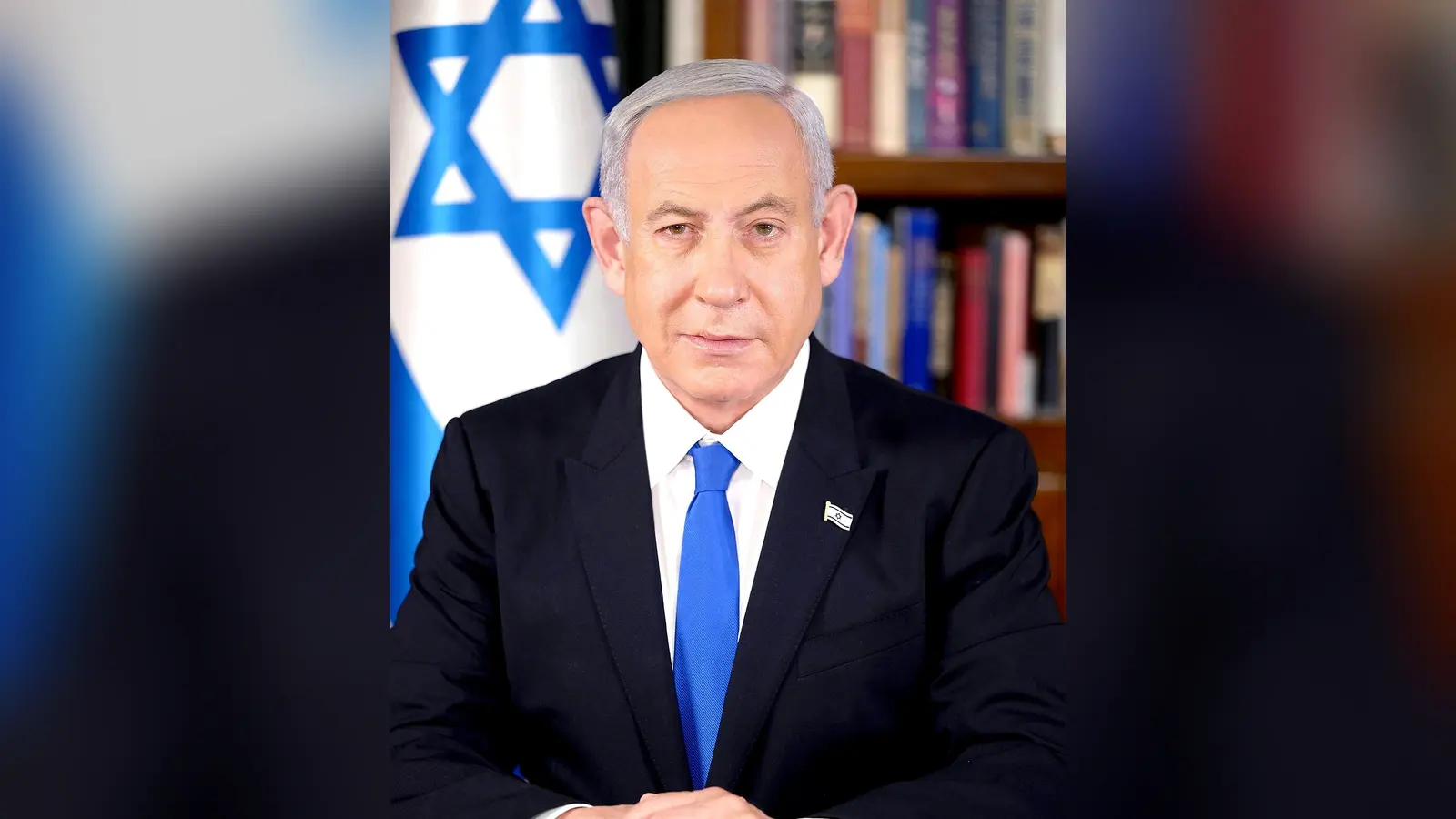
Benjamin Netanyahu’s Likud remains Israel’s largest party, but the right-wing bloc no longer has the 61 seats needed to govern. The opposition has more lawmakers on paper, but its divisions and the role of the Arab parties could still allow the prime minister to remain in power, according to Egypt Independent.
Benjamin Netanyahu’s Likud remains the largest party in the Knesset, Israel’s parliament, with about 26 seats, but the prime minister’s right-wing bloc has won only 53 seats, below the 61-seat threshold needed to govern. The legislative election results therefore give his opponents a chance to form a government, without guaranteeing their victory, Egypt Independent reports.
The opposition theoretically has about 67 seats, but its components are divided by ideological and personal disagreements. Gadi Eisenkot, Netanyahu’s main rival, has won 21 seats, while the opposition’s Jewish parties have only 48 between them. To reach a majority, they would need the support of Raam and the Joint List, two Arab formations together credited with 19 seats, a record according to Egypt Independent.
Yair Golan, leader of the left-wing Democrats party, has called on his partners to include the Arab parties in discussions. Naftali Bennett and Avigdor Liberman, two of Eisenkot’s right-wing allies, have nevertheless opposed a government dependent on their support. The formation of a coalition therefore remains uncertain despite the loss of a majority by Netanyahu’s camp.
These results refine the previous count that gave Netanyahu’s Likud 54 seats, published on 28 October. They also extend the situation announced on 27 October, when the opposition had won 52 to 53 seats without reaching a majority.