Israeli election leaves Knesset without a majority
By the AFREEQUE newsroom, based on Le Monde and Citizen
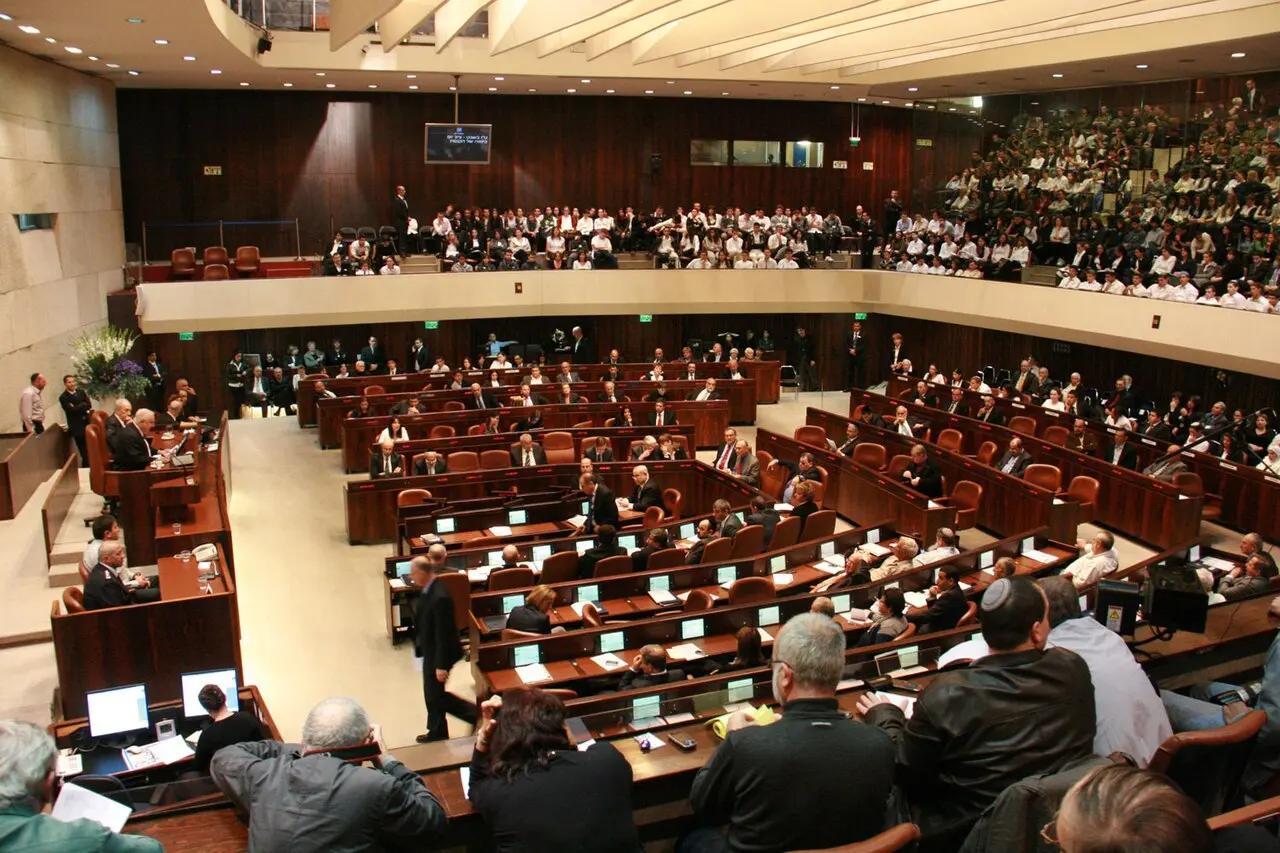
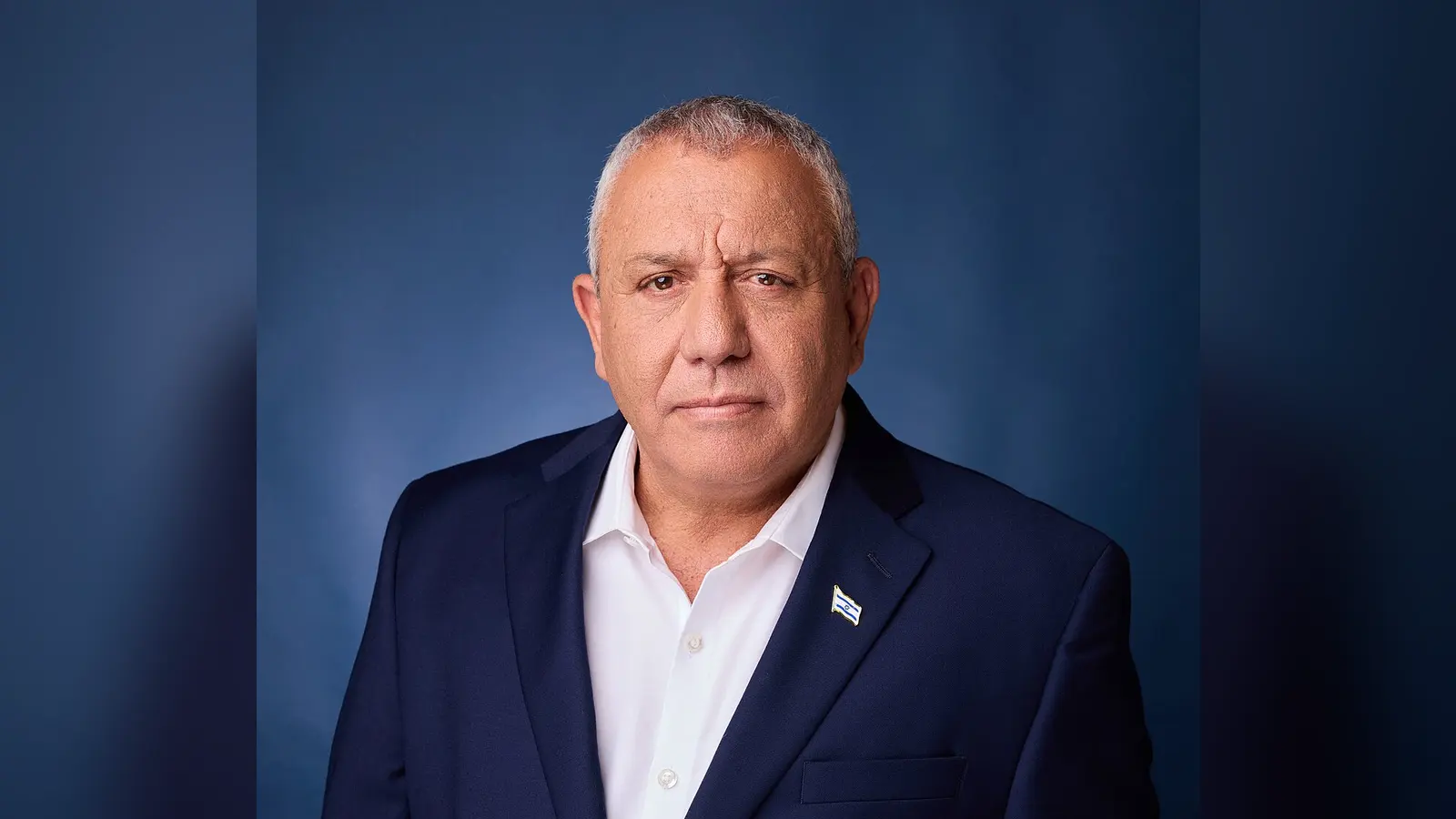
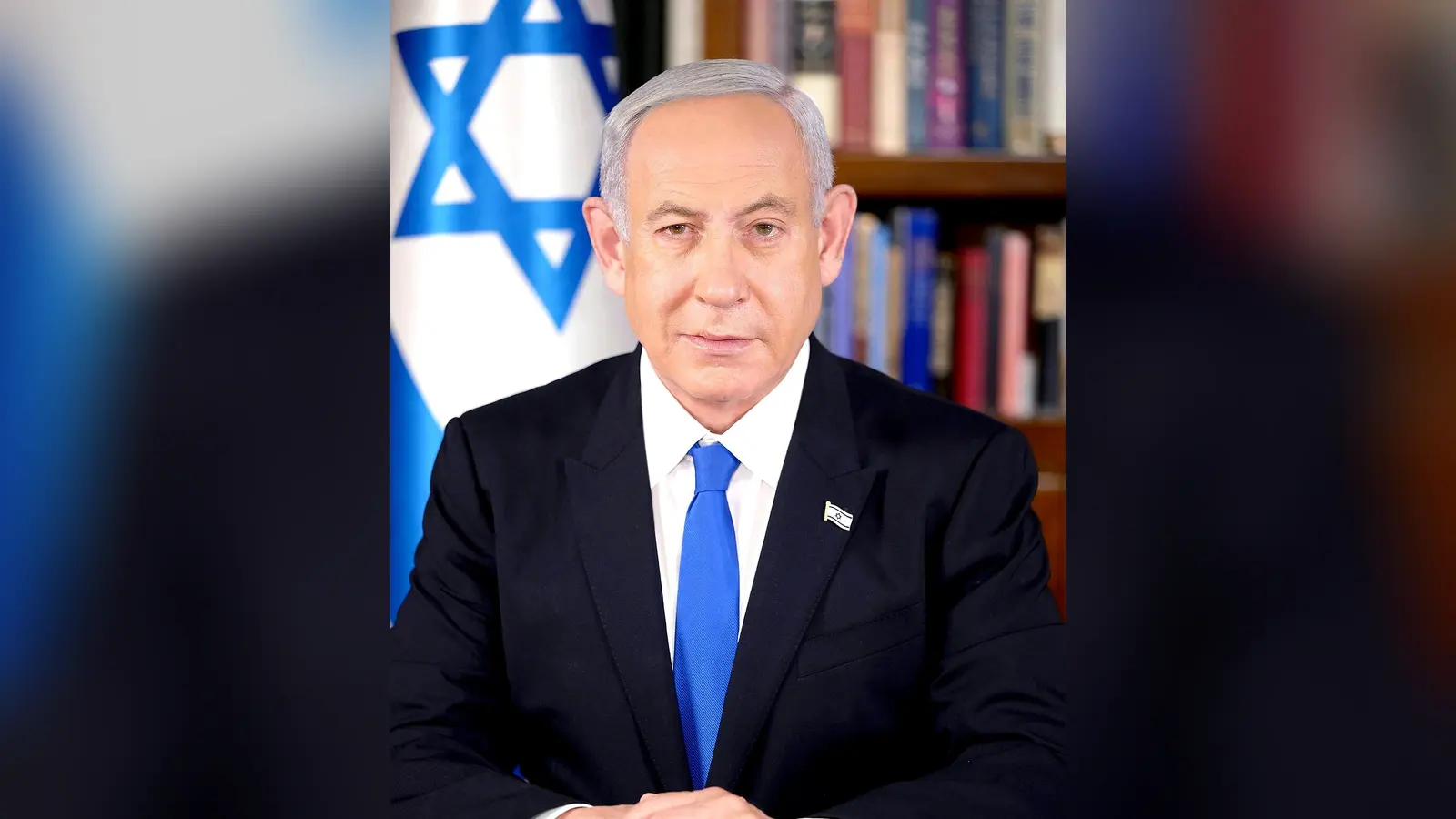
Provisional results from Israel’s parliamentary election put Benjamin Netanyahu’s camp behind, but do not allow the opposition led by Gadi Eisenkot to form a majority, according to Le Monde and Citizen. Arab parties have made major gains and could influence coalition negotiations, while both leaders claim they can form a government, according to Citizen.
The three main Israeli television channels estimated in their exit polls that the blocs led by Benjamin Netanyahu and Gadi Eisenkot would each win around 51 seats, well short of the 61 needed to govern, according to Citizen. Provisional results reported by Le Monde also put Netanyahu’s camp behind, with the opposition lacking a majority.
Turnout reached nearly 78%, its highest level since 1999, according to Citizen. Israeli Arab lists could win 17 to 18 seats, a strong advance driven by very high turnout in some communities. Israeli Arab leader Mansour Abbas said he was open to working with Eisenkot, but Eisenkot had ruled out governing with Arab MPs during the campaign. These MPs could nevertheless support a minority government in parliamentary votes.
The day after the vote, Netanyahu and Eisenkot both promised to form a government. Netanyahu called for a “strong right-wing government” and said the Jewish and Zionist majority should unite, while Eisenkot said voters had voted for change and promised to act quickly. He warned Netanyahu not to exploit Israel’s security for political purposes, according to Citizen.
Itamar Ben Gvir warned Netanyahu against forming a unity government with Eisenkot. If no agreement is reached, Israel could hold new elections, Citizen reports.