Top stories

Netanyahu rejects Israeli coalition backed by Arab parties

By , based on Zambian Observer

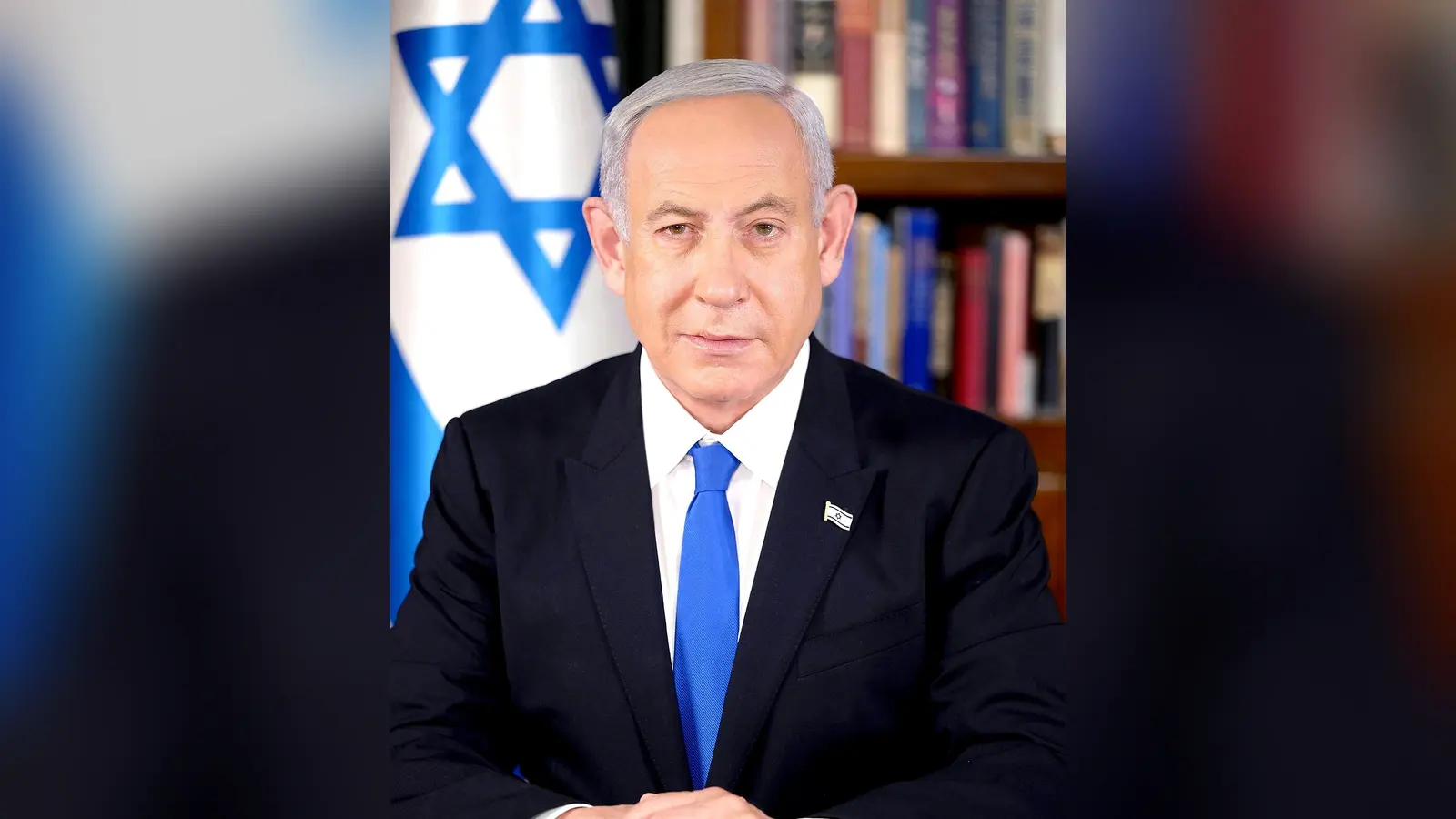
Netanyahu rejects Israeli coalition backed by Arab partiesAvi Ohayon · CC BY-SA 3.0

Benjamin Netanyahu refuses to form an Israeli government dependent on Arab parties after elections failed to produce a parliamentary majority. His bloc would have 53 seats against 48 for Gadi Eisenkot’s, while Arab parties hold 19, according to exit polls cited by The Zambian Observer.

Israeli Prime Minister Benjamin Netanyahu has rejected the formation of a coalition government dependent on the support of Arab parties, after inconclusive legislative elections, according to The Zambian Observer. Exit polls give 53 seats to the bloc led by his Likud party, compared with 48 for his main rival Gadi Eisenkot, while the Arab parties won 19 seats.

No camp has reached the 61 seats needed for a majority in the Knesset, Israel’s parliament. President Isaac Herzog called on rival parties to co-operate to avoid holding new elections, according to The Zambian Observer.

Benjamin Netanyahu believes that a government relying on Arab parties would be unacceptable. Their potential support could depend on conditions linked to Israeli military operations, particularly if war with Iran resumes, according to the Zambian media.

Share this article

Ongoing story · day by day

West Bank military operation

After shootings near Hebron, Netanyahu announces a large-scale military operation in the West Bank, and Israel demolishes buildings.

The latest developments

Earlier in this story

  1. 29 OctBenjamin Netanyahu’s career from soldier to power
  2. 28 OctNetanyahu’s Likud wins 54 seats but lacks majority in Israel
  3. 28 OctLikud accuses Arab parties of ‘stealing’ Israeli election
  4. 28 OctIsraeli election leaves Iran facing political uncertainty
  5. 28 OctIsrael: Netanyahu urges voters after three arrests
The whole story: 38 articles →

Related stories

Israel: Netanyahu accuses Arab parties of election fraud

Benjamin Netanyahu accused electoral fraud, without evidence, of contributing to the historic gains made by Arab parties in Israel’s election, an allegation rejected by their leaders. Authorities are investigating but do not believe the vote’s integrity was systematically compromised, while the results give no clear majority. Business Day, Sowetan, TimesLIVE and Caasimada Online, citing Reuters or the AP, report that Arab parties could play a decisive role in forming the next government.

🇮🇱 Israel · Source: Business Day (South Africa) ·

Netanyahu accuses Arab parties after historic result

Benjamin Netanyahu’s camp accuses Israel’s Arab parties of receiving funds from Qatar after their historic performance in the legislative elections. With more than 90% of votes counted, the lists could give the opposition a majority, reports L’essentiel, while Doha rejects the accusations.

🇮🇱 Israel · Source: L’essentiel ·

Arab lists make gains in Israel without becoming kingmakers

Two Arab-Israeli lists achieved a result described as historic in Israel’s legislative elections, without becoming kingmakers in forming the next government. The bloc opposed to Benjamin Netanyahu still refuses to ally with them, Le Monde reports.

🇮🇱 Israel · Source: Le Monde ·

Charles Milupi appointed Zambia’s transport minister

Zambian President Hakainde Hichilema has appointed Charles Milupi Minister of Transport and Logistics, after previously assigning him responsibility for infrastructure and urban development. Christopher Kalila takes the housing portfolio, while the appointments complete the formation of the expanded government of 30 ministries, according to the Zambian Observer.

🇿🇲 Zambia · Source: Zambian Observer ·

🌍 Latest from World

Eleven EU countries to release 42.6m barrels by January 2027Eleven EU countries to release 42.6m barrels by January 2027Eleven European Union countries plan to release 42.6 million barrels of oil from their strategic reserves, including 20.5 million barrels of diesel. Deliveries are to be completed by the end of January 2027, as part of a G7 pledge to strengthen global energy supplies, according to European Commissioner for Energy Dan Jørgensen.All World news →

Politics

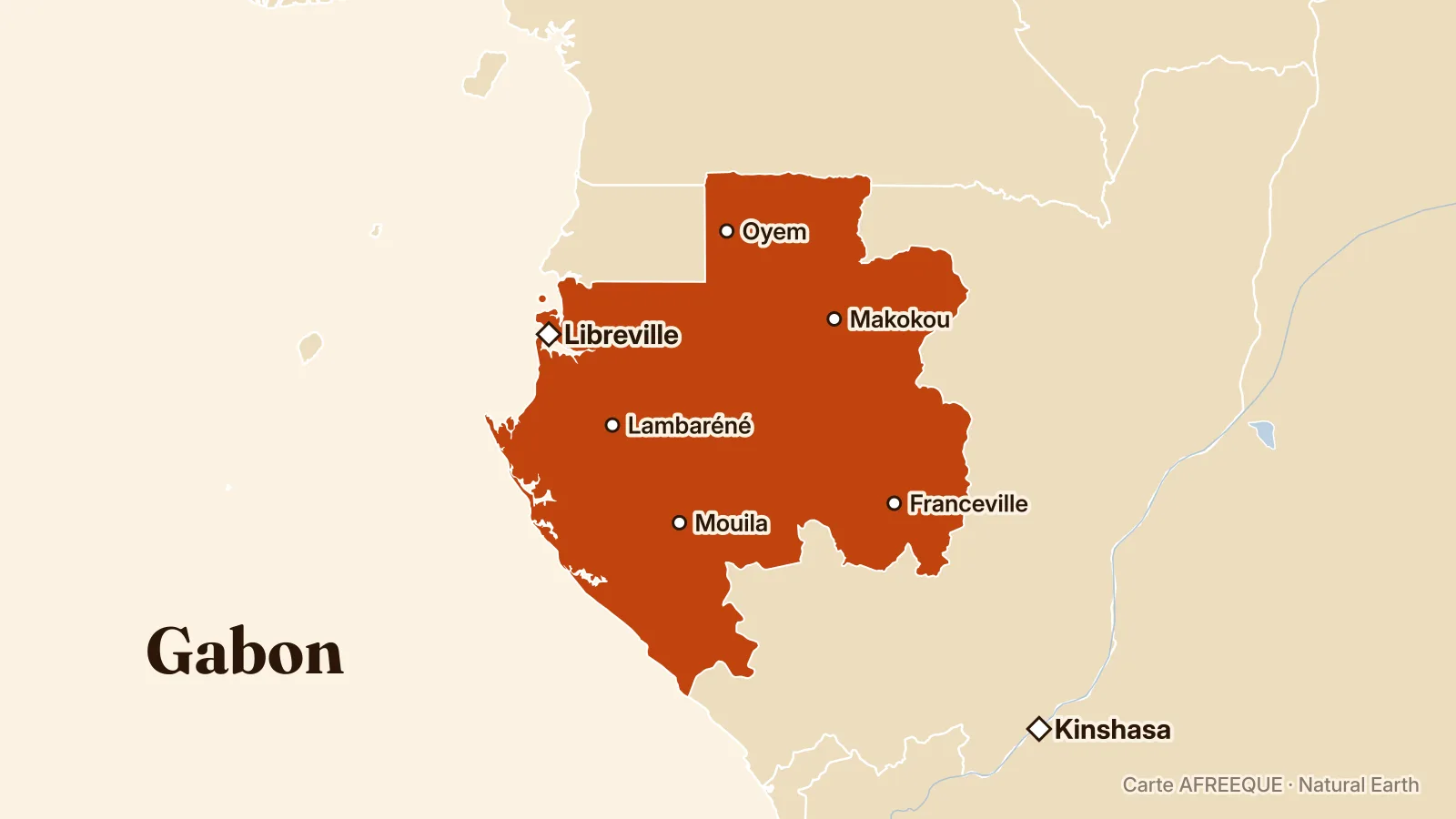
Map: GabonGabon joins discussions on OEACP scheduleGabon’s ambassador to Brussels, Régis Immongault, took part on 29 October 2026 in the 984th meeting of the Committee of Ambassadors of the Organisation of African, Caribbean and Pacific States. The discussions focused in particular on the schedule of the organisation’s parliamentary assemblies and Council of Ministers, reports Gabonclic.All Politics news →

The week in Africa

This week’s highlights

  1. Last Ebola patient leaves Ituri centre🇨🇩 DR Congo
  2. Moscow seeks to strengthen economic ties with Africa🇷🇺 Russia
  3. Dangote to supply half of Cameroon’s imported fuel🇨🇲 Cameroon
  4. Google expands AI search ads internationally🇺🇸 United States
  5. Twenty-six countries sign trade convention in Accra🇬🇭 Ghana
All of this week’s highlights →

Africa in your inbox

Be the first to get our letter in English: the essentials from every region of the continent, free.

← Back to the news