Mozambique cuts reserve requirements to fund local production
By the AFREEQUE newsroom, based on Club of Mozambique
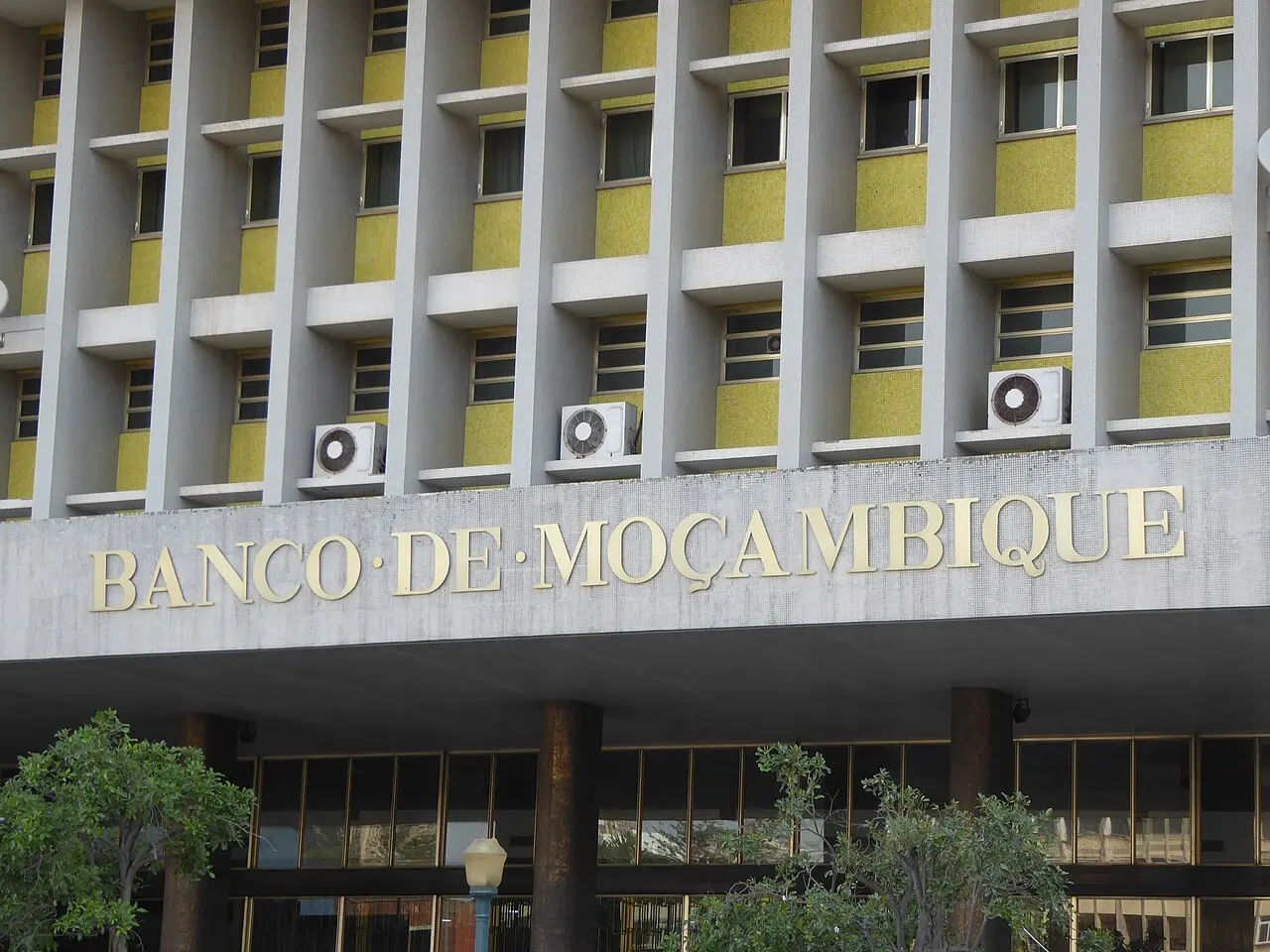
The Bank of Mozambique is allowing banks to deduct up to 110% of the principal of eligible investment loans and 100% of working-capital loans from their reserve requirements. In force from 28 October 2026 for an initial period of 18 months, the scheme aims to finance local production, import substitution and export diversification, according to Club of Mozambique.
The Bank of Mozambique is allowing banks to deduct part of loans for import-substitution and export-diversification projects from their reserve requirements in national currency. The special regime came into force on 28 October 2026 and will initially apply for 18 months, according to Notice No. 9/GBM/2026, published in the Official Gazette on 26 October.
Banks can deduct an amount equal to 110% of the outstanding principal on investment loans and 100% for working-capital loans. Eligible financing includes loans to acquire, install or modernise production equipment and infrastructure, and to buy raw materials and other inputs. Production and processing of goods, as well as tourism, are covered; the central bank is to specify eligible sectors in a circular.
Companies, individual entrepreneurs and cooperatives must be up to date with their tax obligations, keep appropriate accounts and demonstrate their technical, financial and management capabilities. Their projects must explain how they will contribute to import substitution or export diversification. Projects must prioritise local raw materials and inputs unless domestic supply is unavailable, insufficient or technically unsuitable.
Each bank will have to grant at least 50 new loans every six months and, over the period, distribute a total amount equivalent to at least 6% of its average reserve requirements. The measure follows the publication in October of a project mapping minerals near protected areas in Mozambique.