Namibia’s dams fall to 77.8% of capacity
By the AFREEQUE newsroom, based on Windhoek Observer
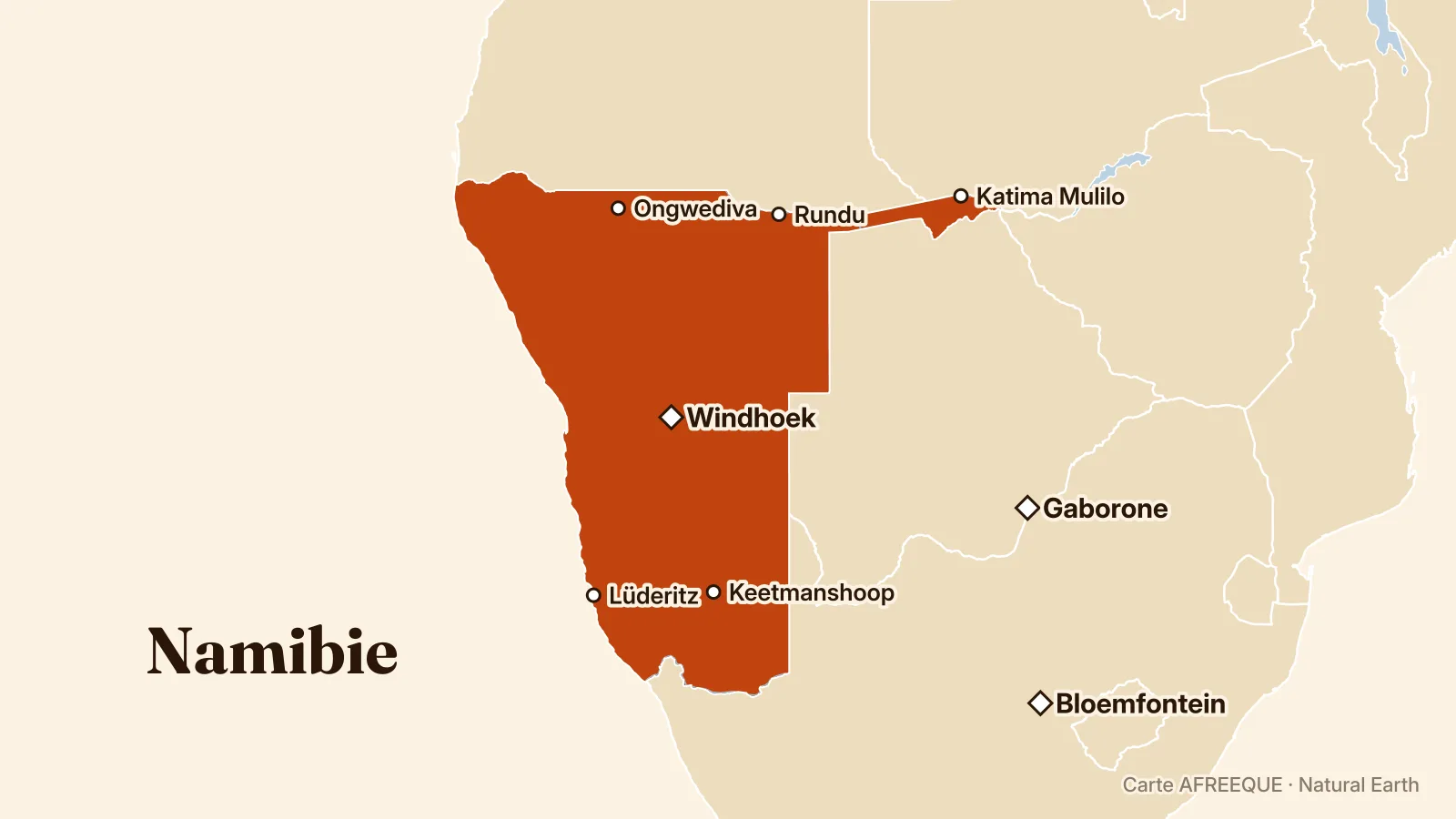
Namibia’s dams held 1,210.9 million cubic metres of water on 26 October 2026, or 77.8% of total capacity, after a weekly decline of 8.56 million cubic metres. The NamWater bulletin said the Southern system recorded the largest fall, while Neckartal Dam remained 99.5% full.
Namibia’s dams held 1,210.9 million cubic metres of water on 26 October 2026, or 77.8% of their total capacity, down from 78.3% a week earlier. The country lost 8.56 million cubic metres between 19 and 26 October, according to the weekly bulletin of NamWater, Namibia’s state-owned water distributor.
The Southern system remained the best supplied, with 1,111.5 million cubic metres, or 86.4% of capacity, but recorded the largest weekly decline, of 6.10 million cubic metres. Neckartal Dam, the country’s largest reservoir, was 99.5% full, with 853.1 million cubic metres. Hardap stood at 53.3% of capacity, while Bondels Dam was empty. The Central system held 64.25 million cubic metres, or 41.6% of capacity, compared with 65.27 million a week earlier.
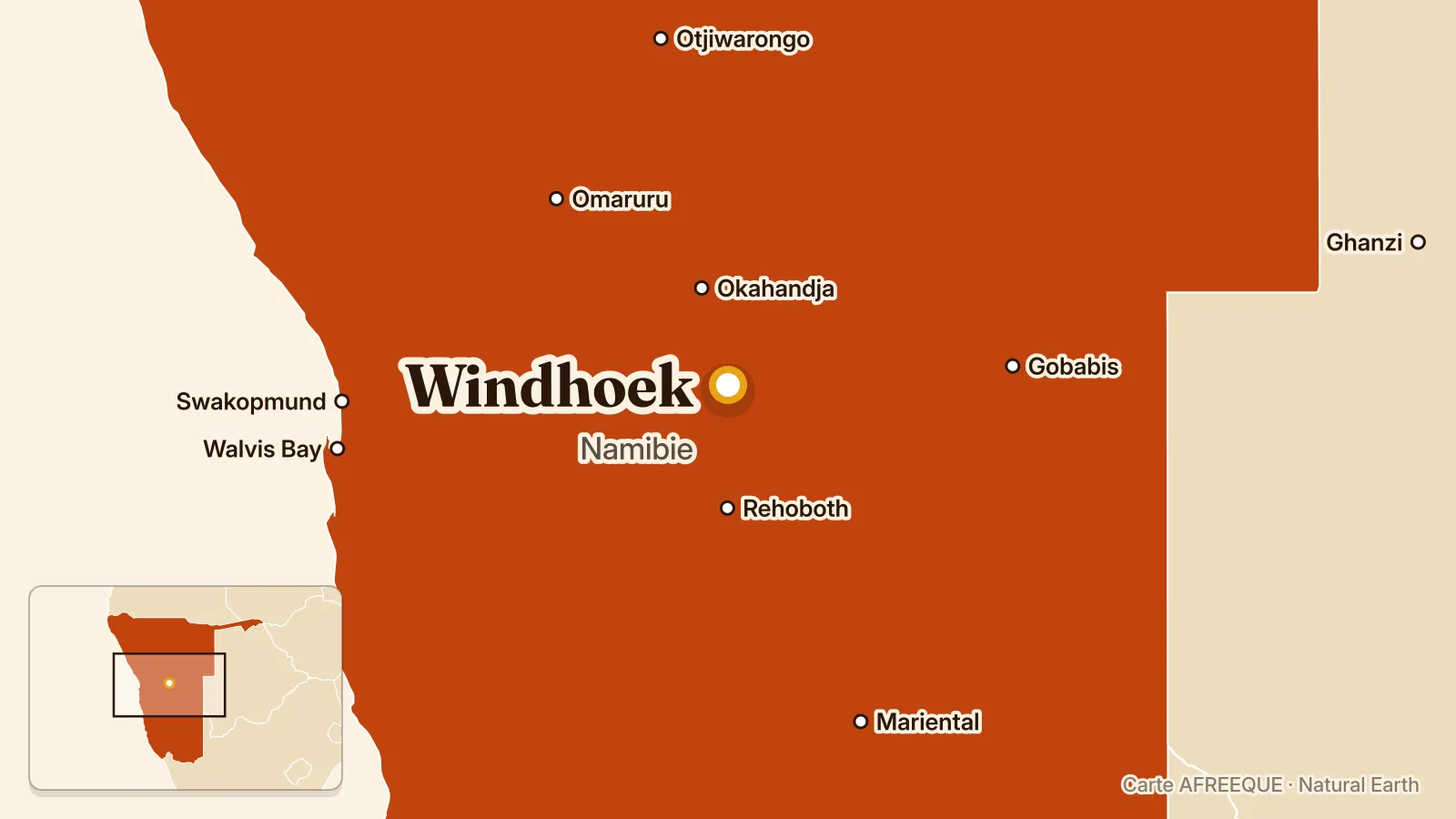
The Windhoek system totalled 6.64 million cubic metres, or 64.2% of its combined capacity. Goreangab Dam exceeded its nominal capacity, at 102.1%, while Friedenau was 43.8% full. In Gobabis, reserves had fallen to 2.81 million cubic metres, or 14.6% of capacity. NamWater also reported water transfers from Otjivero Dam to Tilda Viljoen Dam during the week; the latter rose from 65.4% to 66.8% of capacity.
These levels were published on the day Namibia announced an agreement to provide 386 million litres of water a year by 2030, on 30 October 2026. Neckartal Dam had also been the subject of an earlier article about its reserves and the water shortage in Windhoek.