El Niño could worsen southern Africa’s poverty from 2027
By the AFREEQUE newsroom, based on Windhoek Observer
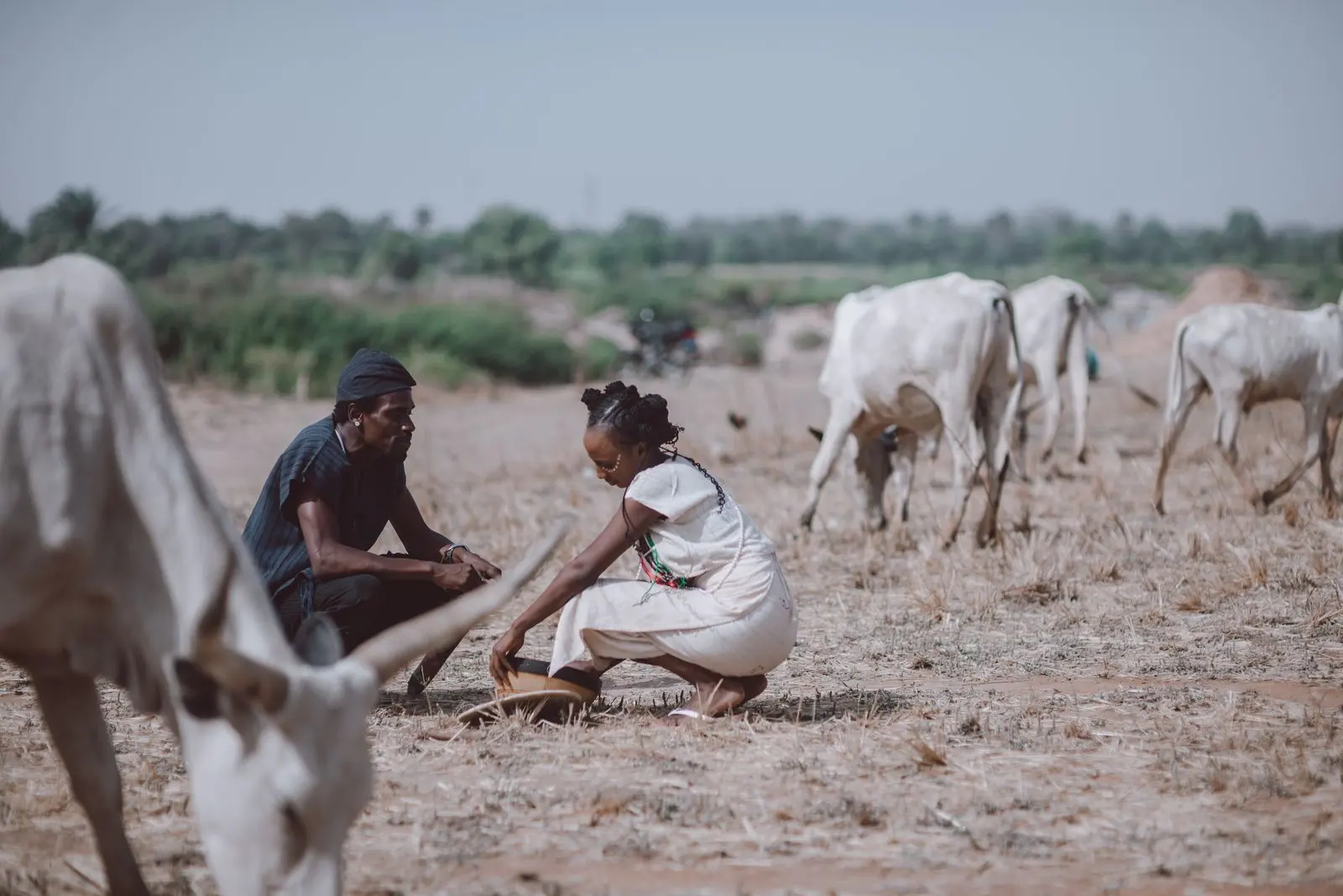 Illustrative image · The Chongaiman Ace · Pexels · Licence Pexels
El Niño could worsen poverty in southern Africa by causing a drought in 2026-2027, after the 2015-2016 drought left 61 million people in need and pushed more than 8 million into food insecurity. The FAO estimates that the coming conditions could be even more difficult, while geopolitical conflicts are increasing energy costs and disrupting supplies, according to Wandile Sihlobo.
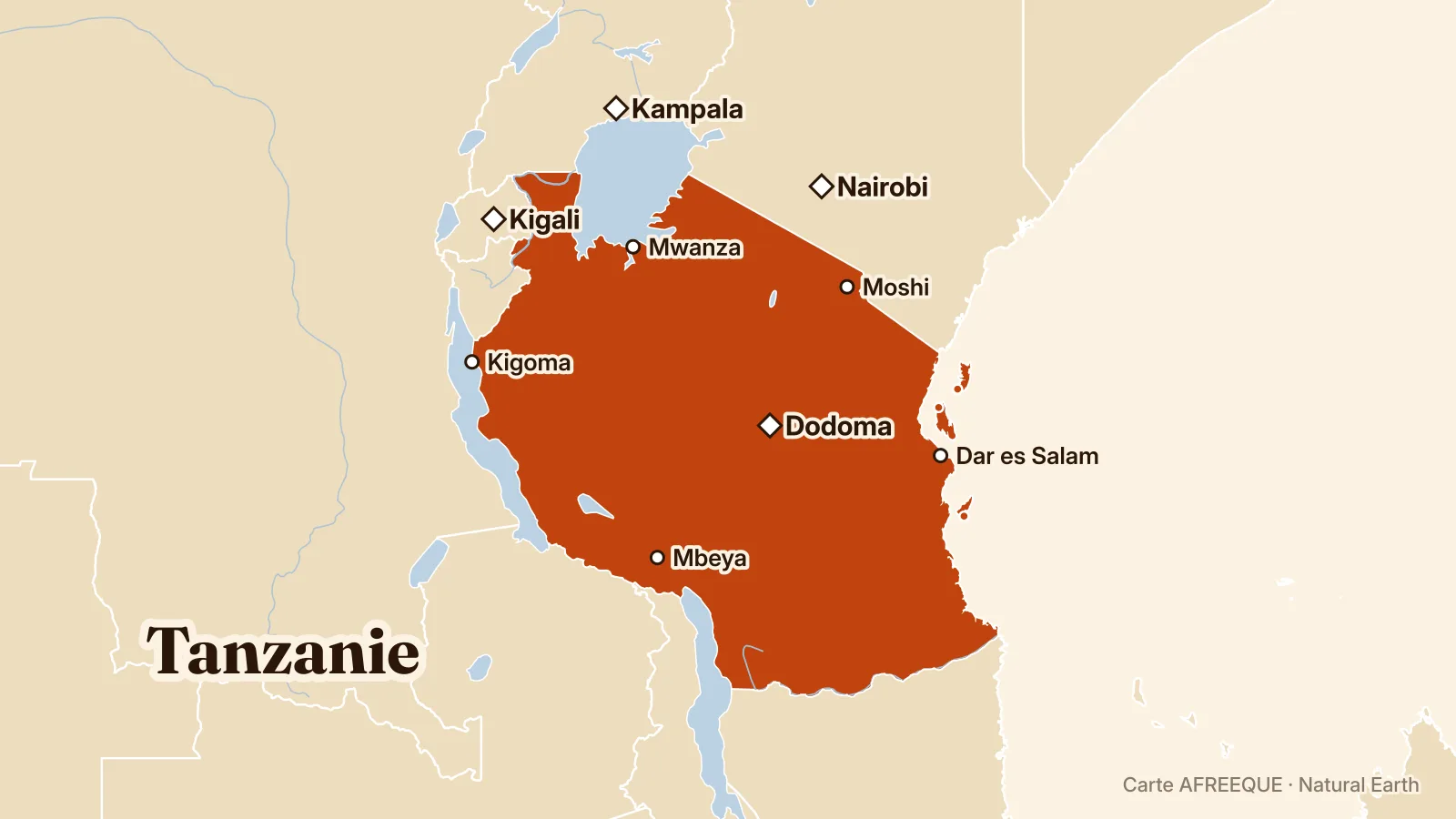
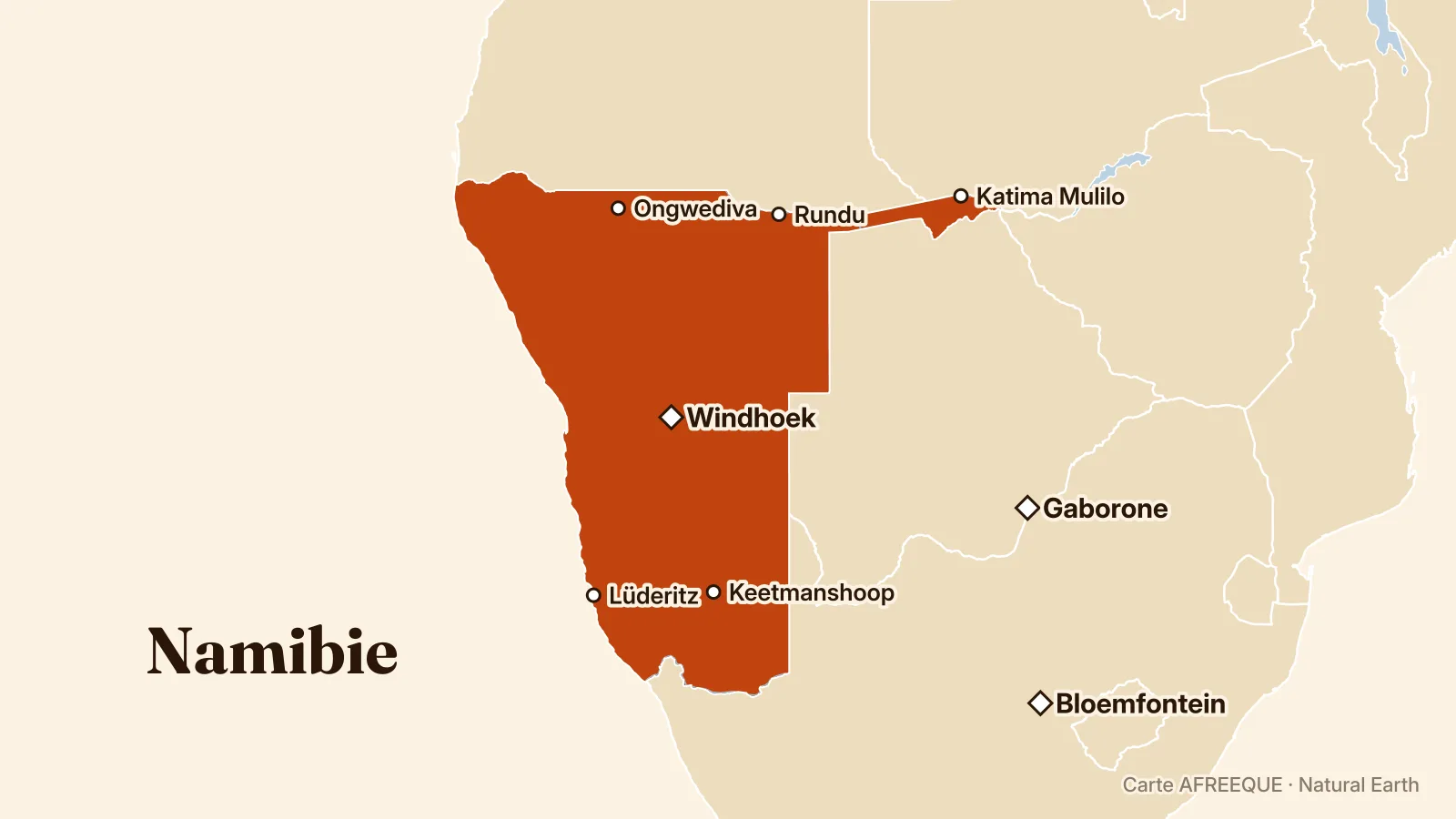
The El Niño episode expected in 2026-2027 could worsen poverty in southern Africa by threatening harvests and food security, according to an analysis by Wandile Sihlobo published by the Windhoek Observer. The region could experience agricultural drought across large areas of Namibia and Botswana, with the risk extending to Angola, Zambia, Zimbabwe and South Africa, as well as parts of Mozambique and Madagascar.
The Food and Agriculture Organization of the United Nations estimates that conditions could be more difficult than during the 2015-2016 drought. That previous El Niño episode left 61 million people in need of assistance and pushed more than eight million people into food insecurity, according to the organisation cited by the newspaper.
The analysis also notes that geopolitical conflicts are increasing energy costs and complicating supply chains, while war-related needs are reducing the resources available for humanitarian aid. The United States’ withdrawal from international aid would also put pressure on the resources of the World Food Programme, whose funding had depended heavily on Washington.