Lula wins second round after losing first in Brazil
By the AFREEQUE newsroom, based on Foreign Policy In Focus
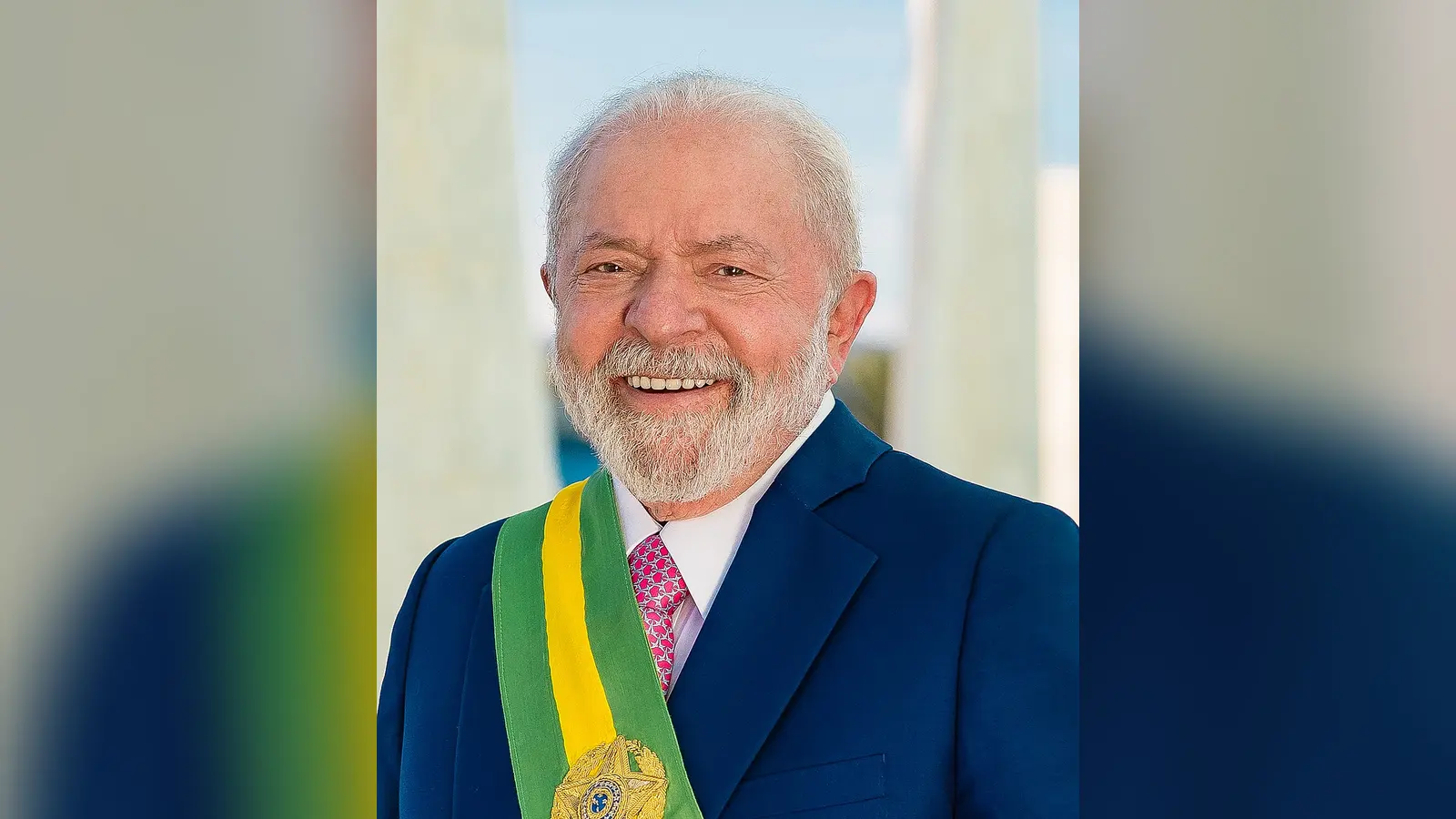
Luiz Inácio Lula da Silva won Brazil’s presidential run-off after finishing behind Flávio Bolsonaro in the first round, securing 64 million votes and a fourth term. His campaign targeted abstainers and strengthened its economic message, according to Foreign Policy In Focus.
Luiz Inácio Lula da Silva won the second round of Brazil’s presidential election after finishing behind Flávio Bolsonaro in the first round, the first time this had happened since the country returned to democracy. The incumbent president received 64 million votes and secured a fourth term, according to Foreign Policy In Focus.
On 4 October, Lula received 45.16% of the vote against 47.03% for Flávio Bolsonaro. The day after the vote, his allies meeting in Brasília attributed part of the deficit to the campaign’s difficulty in reaching young people and women. Coordinator Paulo Okamotto subsequently announced a network of left-wing influencers, while Lula’s team targeted the 33 million abstentions, according to Foreign Policy In Focus.
The campaign moved away from relying solely on sovereignty rhetoric to highlight social and economic measures, including ending the six-day working week. It also stepped up door-to-door campaigning and rallies in states where the left had been less present, according to the same outlet.
Lula won his first presidential election in 2002, after three defeats in 1989, 1994 and 1998. His victory follows the announcement, on 26 October, of his fourth term in Brazil, followed by his pledge to deliver the best term in Brazil’s history.