Kairouan expects 275,000 tonnes of olives, up 4%
By the AFREEQUE newsroom, based on Lapresse
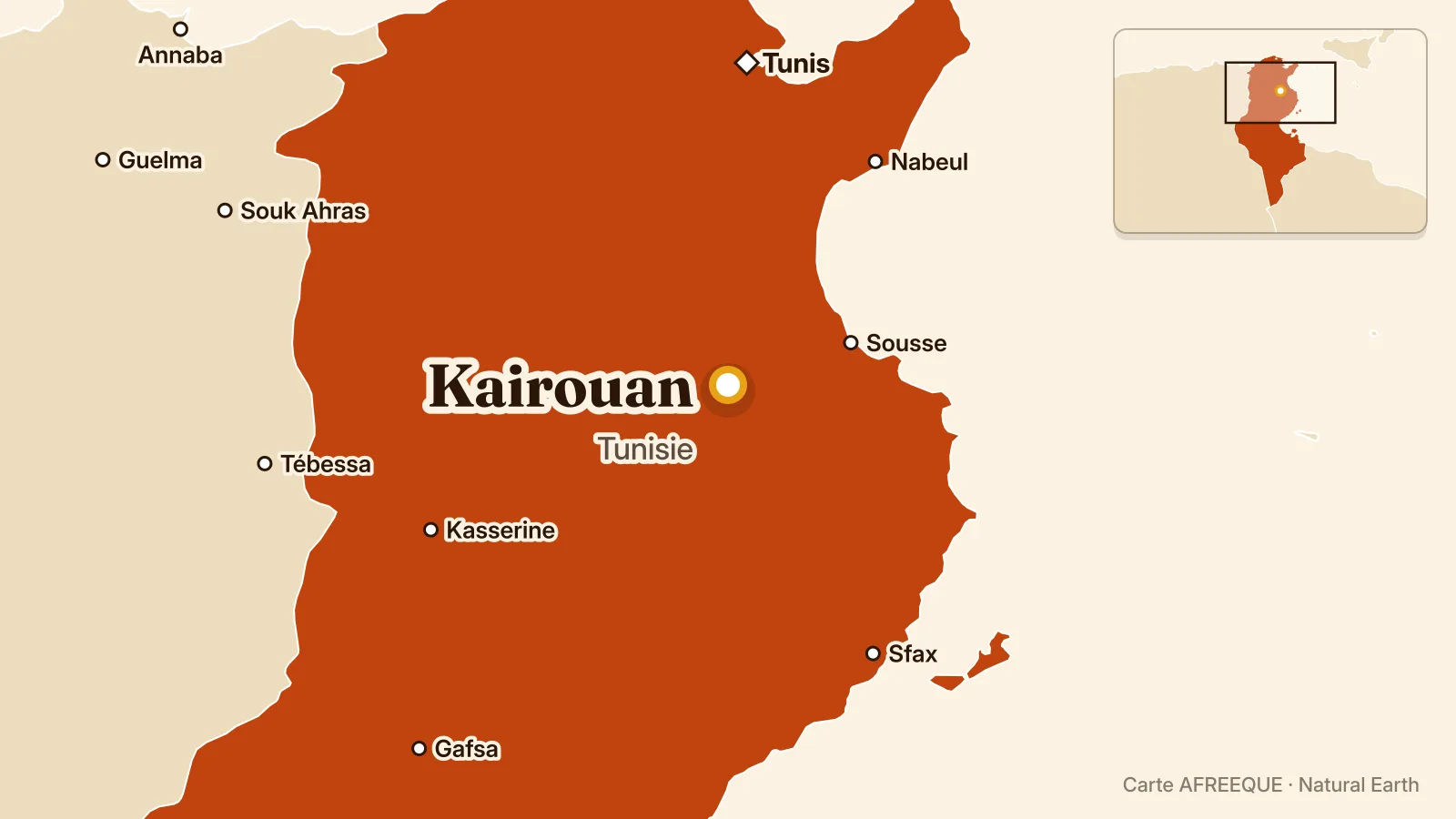
Olive production in Kairouan is estimated at 275,000 tonnes for the 2026 season, equivalent to about 57,000 tonnes of oil and a 4% year-on-year increase. Picking is due to begin on 26 October, according to estimates from the Regional Commission for Agricultural Development reported by La Presse.
Olive production in Tunisia’s Kairouan governorate is expected to reach 275,000 tonnes this season, up 4% from 248,000 tonnes last year, according to estimates by the Kairouan Regional Commission for Agricultural Development (CRDA). The corresponding output is estimated at 57,000 tonnes of oil, compared with 50,000 tonnes in the previous season.
Olive groves cover 200,000 hectares in the region, with 13.2 million trees. The governorate has 207 oil mills, with the capacity to process up to 700,000 tonnes of olives. The delegation of Bouhajla is expected to provide 92,000 tonnes on its own and has 79 oil mills.
At a meeting held on 16 October at the governorate headquarters, regional officials set 26 October as the start of the harvest. Agricultural technicians are urging growers to avoid beating the trees and to transport olives in crates rather than plastic bags, in order to preserve oil quality and limit pollution linked to processing.
Participants also discussed the cost and availability of labour. Some harvesters are demanding cash payment or a share of up to 30 to 40% of the olives picked, while transport and processing add to farmers’ costs. The risks of looting and theft were also raised. Liquid residues from oil extraction, known as olive mill wastewater, can be treated and used as fertiliser; the region’s storage ponds have a capacity of 230,000 m².
Summary produced with the help of artificial intelligence tools, under AFREEQUE’s editorial responsibility.