Jirama has been faltering for a decade, according to Court of Audit
By the AFREEQUE newsroom, based on L'Express de Madagascar
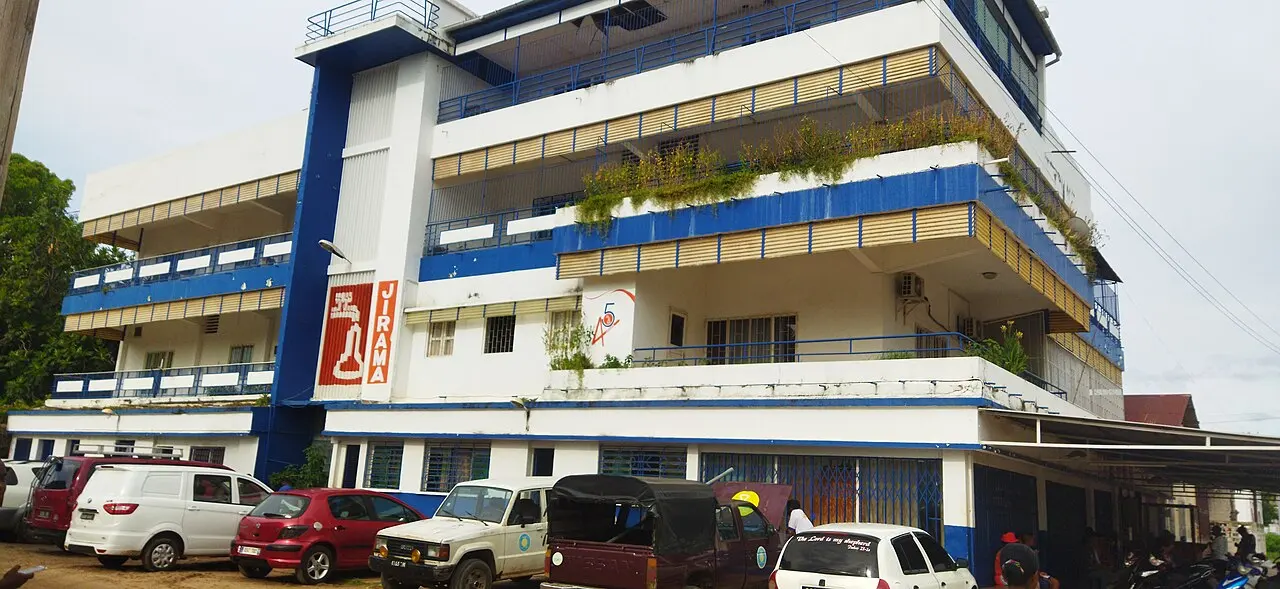
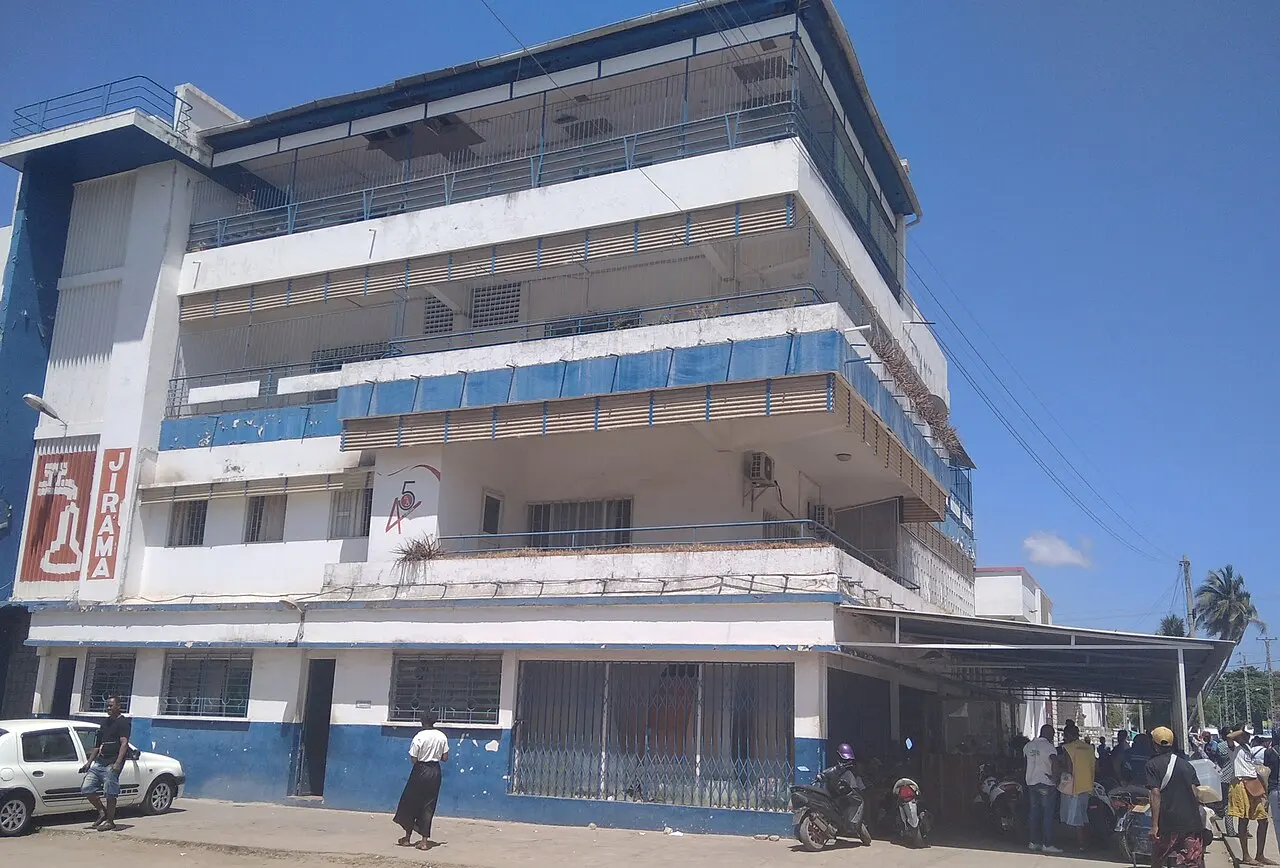
The Court of Audit finds that Jirama, Madagascar’s water and electricity company, has remained in difficulty since 2016, with insufficient production and a saturated network. For water, the shortfall could reach 150,000 m³, according to a person close to the matter.
In a strategic policy note published in November on sustainable solutions to the energy crisis, the Madagascar Court of Audit highlights three major weaknesses at Jirama, the public water and electricity company: production struggling to keep up with rising demand, a saturated network causing losses and service interruptions, and deficits that weigh on the state’s finances. According to a source close to the matter, a lack of past investment partly explains these difficulties: infrastructure was built, but its production capacity was limited.
In the water sector, production, estimated at 200,000 m³, remains insufficient to meet needs. Estimated at 100,000 m³ several years ago, the shortfall could now reach 150,000 m³, according to L’Express de Madagascar, which also notes that the age of the infrastructure is disrupting supply.
On the Antananarivo interconnected network (RIA), an initial estimate reported by L’Express de Madagascar puts the electricity production shortfall at 25 MW. Jirama attributes the shortfall to falling water reserves feeding the hydroelectric plants, due to the dry season and the El Niño phenomenon, with levels particularly low in October and November. Breakdowns also affect the Afripower and TAC 1 generating units, while maintenance and delays in delivering spare parts limit available capacity. For households, these difficulties translate into prolonged water and power cuts.
Jirama does, however, report an improvement compared with November 2025. The deficit then stood at 35 MW and led to day and night load-shedding, which could last up to three hours. The company now estimates the deficit at between 16 and 20 MW, says load-shedding is limited to evenings and lasts no more than two hours, and announces investment to strengthen production and renovate networks.