Paris accuses Algiers of almost totally blocking French imports
By the AFREEQUE newsroom, based on Africanews, Algérie 360 and TSA
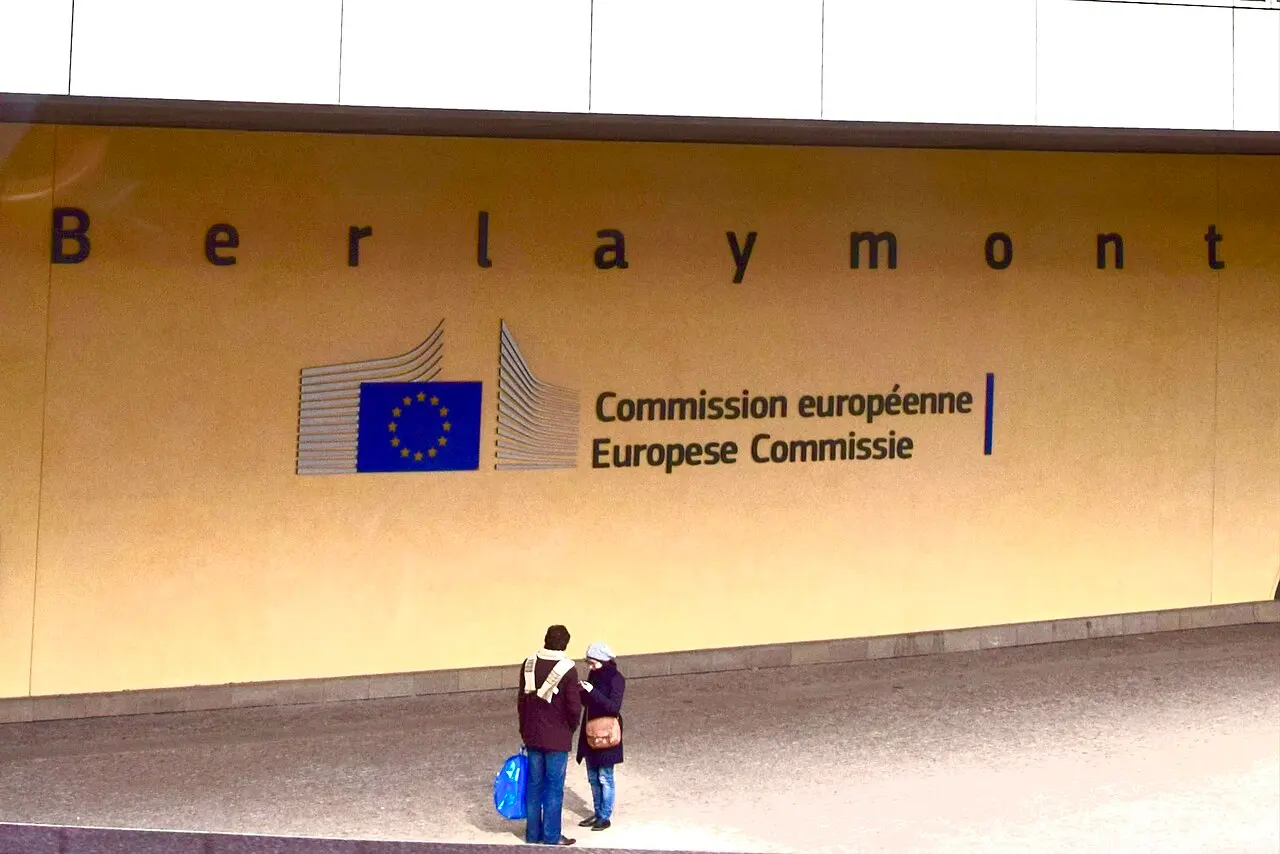
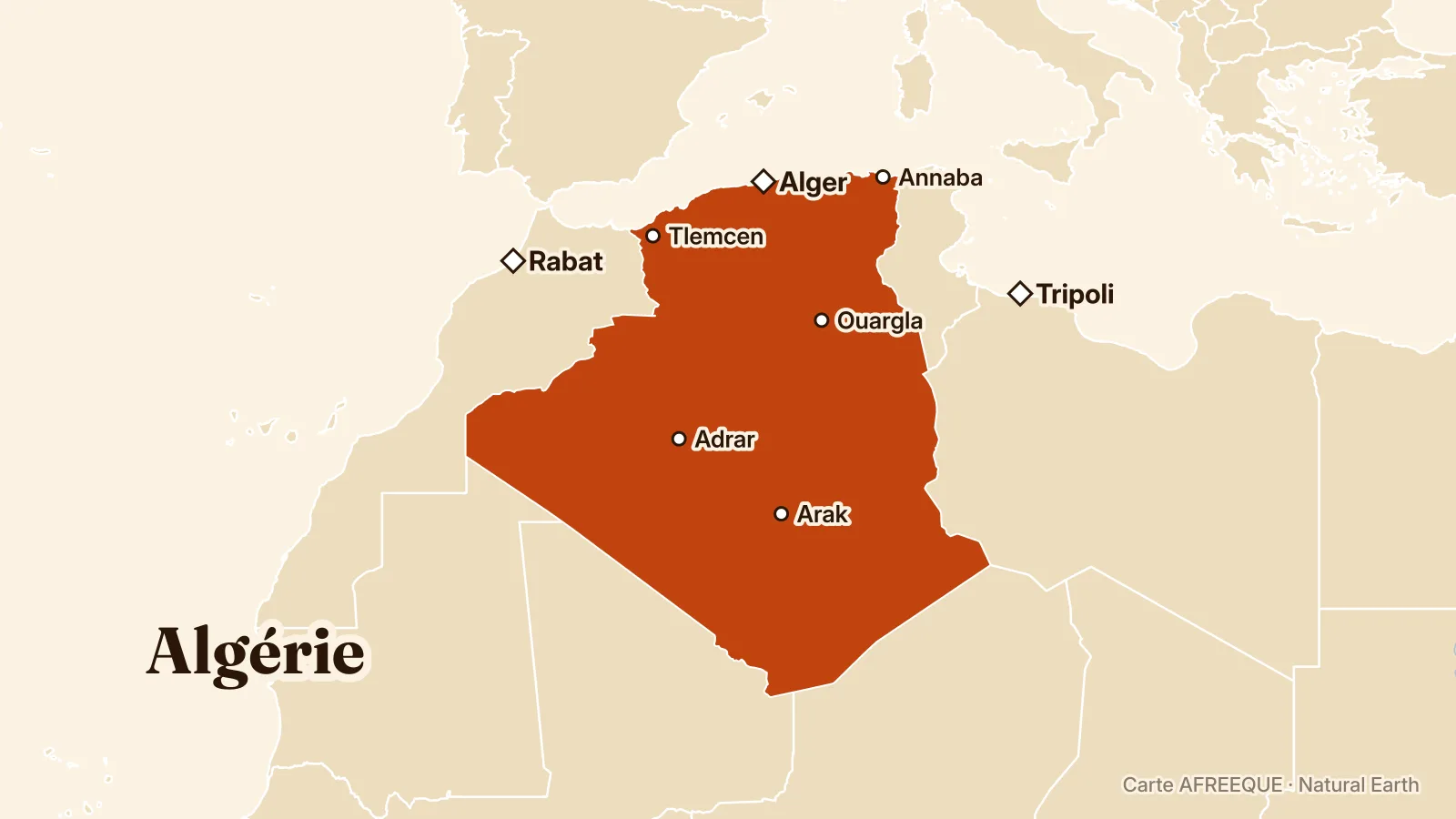
According to Africanews, France is asking the European Commission to examine Algeria’s alleged non-compliance with its association agreement with the European Union. The spokesperson for the French Ministry of Foreign Affairs announced this on Friday, following unofficial information about an Algerian decision to ban imports from France. Paris accuses Algiers of almost completely blocking these imports and of having suspended its urea deliveries.
French sales in Algeria have fallen sharply since the summer: €466 million in August and September 2026, compared with €707 million a year earlier, a decline of 34% in two months, according to French customs. A week before Paris’s step, a meeting at the French Ministry of the Economy had brought together companies and professional unions, which complained of the collapse in their exports.
Algiers has never officially announced any restriction targeting French products, and the Algerian authorities had not responded to the French announcement during the day. According to diplomatic sources cited by the press, they dispute the existence of measures specifically targeting French goods. The decline is however long-standing: French exports to Algeria fell from €4.8 billion in 2024 to €4.23 billion in 2025, then dropped by a further around 12% over the first eight months of 2026.
French purchases from Algeria, mainly oil and gas, fell by 18% in 2025 to €5.1 billion, then by 11% between January and August 2026. Almost all sectors are affected: automotive spare parts, steel products and food products are among the hardest hit, with only medicines continuing to enter normally, according to the French press. French sales of wheat and livestock products fell from €300 million in the first half of 2024 to €4.2 million a year later, and French cereals no longer feature in Algerian tenders.
The association agreement, signed in 2002 and in force since 2005, provides for the gradual opening of trade and includes mechanisms in the event of a dispute. Brussels had already launched a dispute settlement procedure in June 2024, then in July 2025, for lack of agreement, requested the creation of an arbitration panel. For his part, President Abdelmadjid Tebboune is calling for a clause-by-clause revision of the agreement, which he regards as the source of glaring imbalances, while Algiers, which denounces the blocking of its steel on the European market, points out that its exports to Europe rely almost entirely on hydrocarbons.