DR Congo gathers FDLR fighters at Kitona base
By the AFREEQUE newsroom, based on Beto
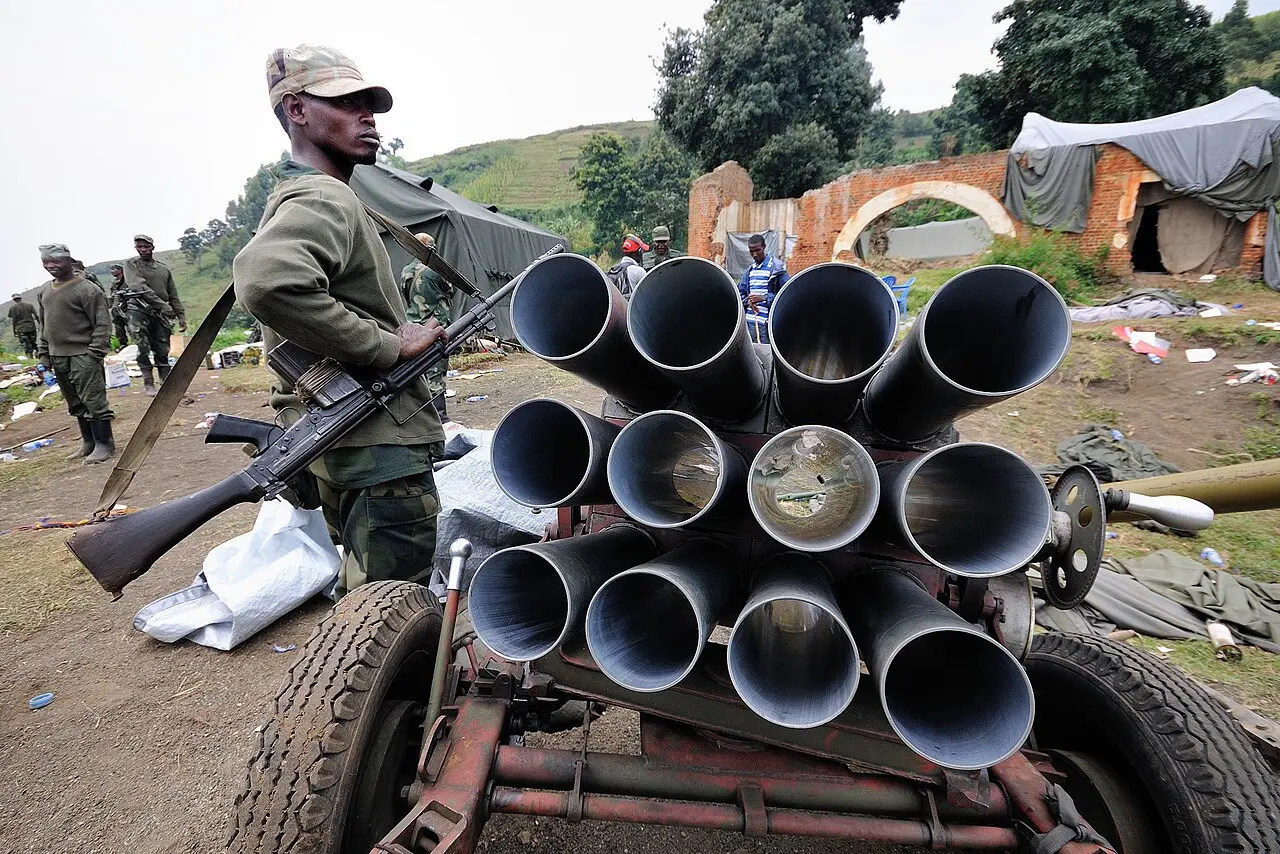
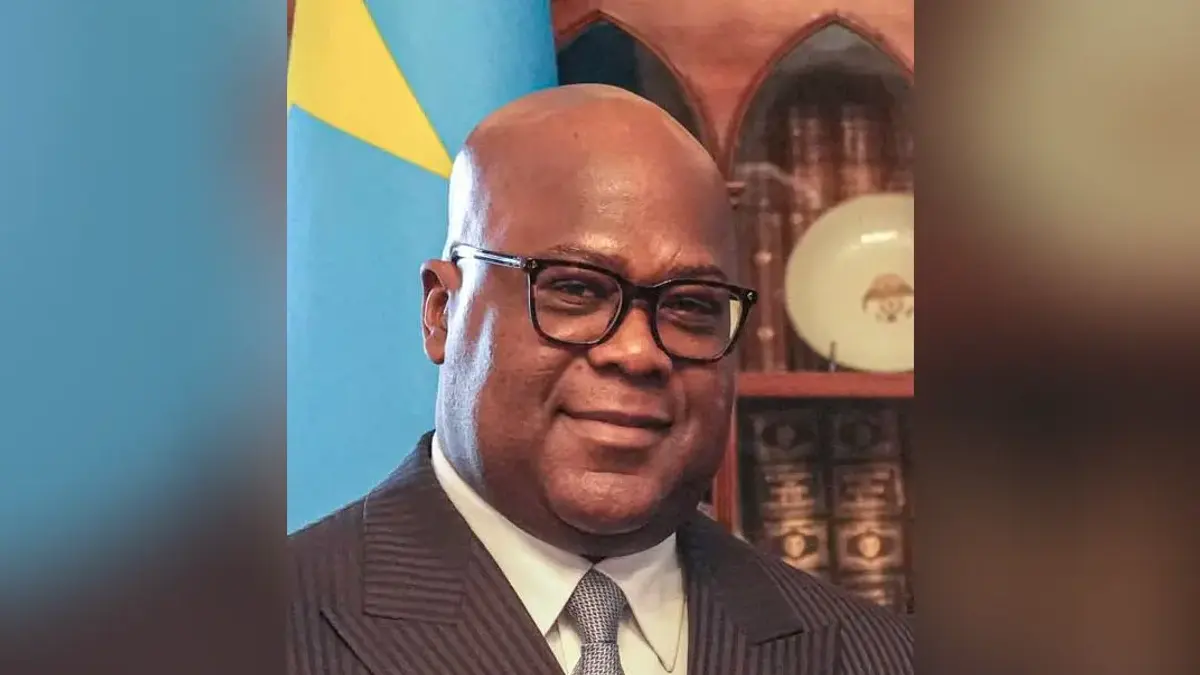
DR Congo has begun gathering fighters from the Democratic Forces for the Liberation of Rwanda at the Kitona base in Kongo-Central, President Félix Tshisekedi announced on 30 October. He said the operation was in response to a US request and would be followed by transfer to host countries or voluntary return to Rwanda; the Congolese government says more than 800 fighters have surrendered since January 2025, Beto reports.
The Democratic Republic of the Congo has begun gathering fighters from the Democratic Forces for the Liberation of Rwanda (FDLR) at the Kitona military base in Kongo-Central, President Félix Tshisekedi said on 30 October while addressing the Congolese diaspora in Russia. He said the operation was in response to repeated US requests, pending their transfer to host countries or voluntary return to Rwanda.
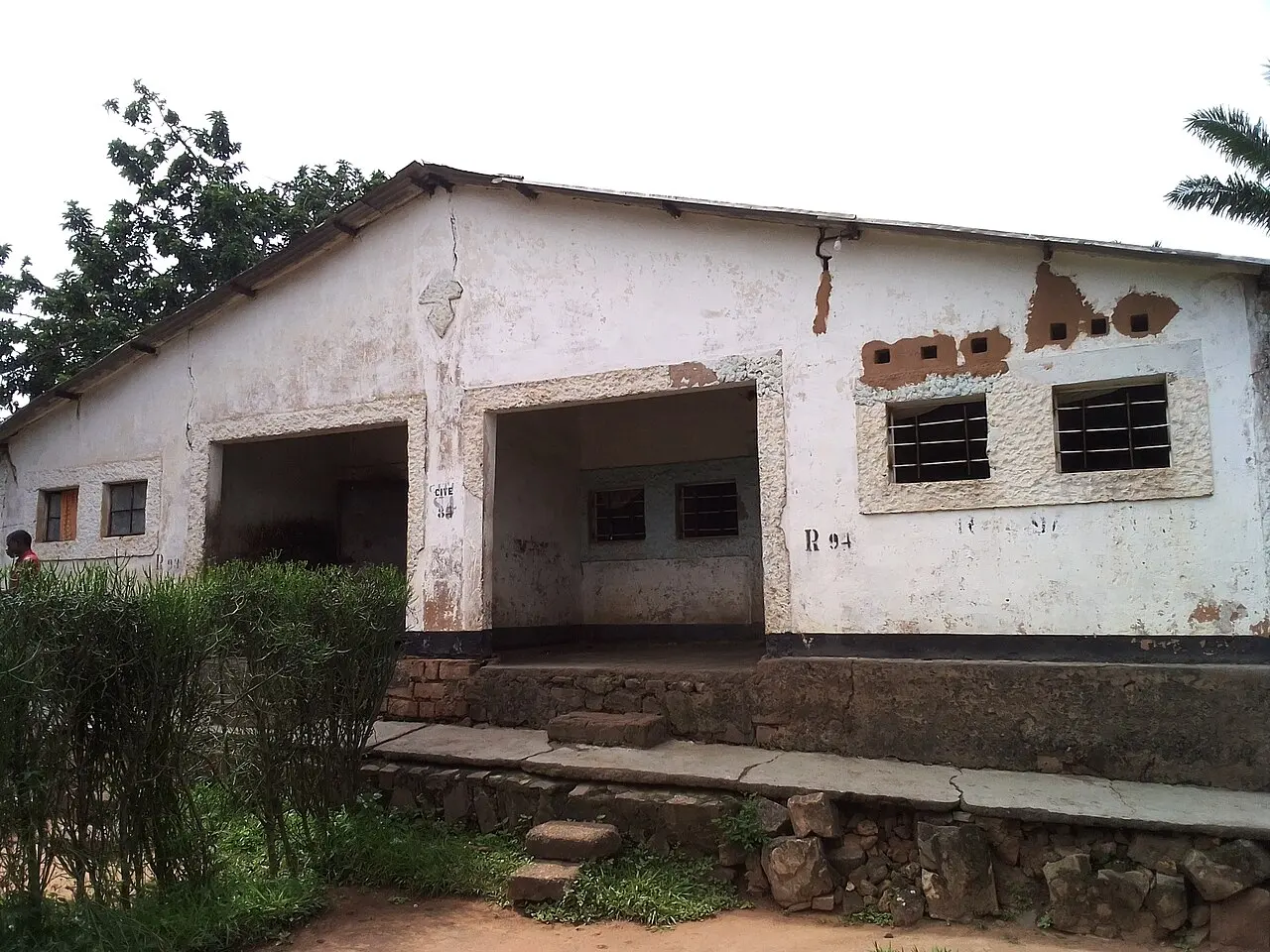
Kitona is nearly 2,000 kilometres from the Kivus, in eastern DR Congo, where the FDLR have been active for three decades. The base, used to train the Armed Forces of the DRC, hosted a camp school in October. Its distance from the Rwandan border is intended to keep the fighters being gathered there away from their recruitment areas.
The move follows an FDLR neutralisation plan finalised from 20 to 22 October in Garmisch, Germany, at a meeting of Congolese and Rwandan military planners organised by the United States. The Congolese government says more than 800 FDLR fighters have surrendered since January 2025 and is calling in return for an unconditional Rwandan withdrawal.
Félix Tshisekedi considers the FDLR threat a “pretext” used by Rwanda to justify its presence in eastern DR Congo. He also says an unnamed African president had agreed to receive some of the fighters before being threatened by Rwandan President Paul Kagame.
The gathering follows the return to DR Congo of 251 Rwandans held by the FDLR, announced on 30 October, and comes as Tshisekedi sought Russian diplomatic support on 31 October over the security crisis in the country’s east.