Béjaïa port unloads 15,153.60 tonnes of maize
By the AFREEQUE newsroom, based on Maghreb Emergent and Algérie 360
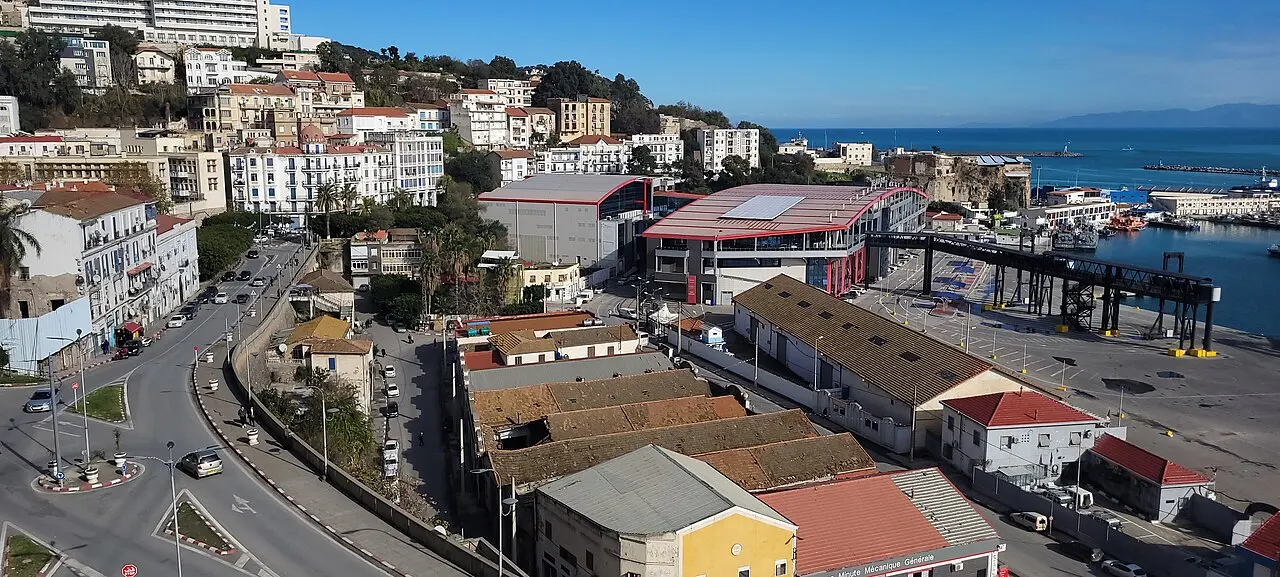
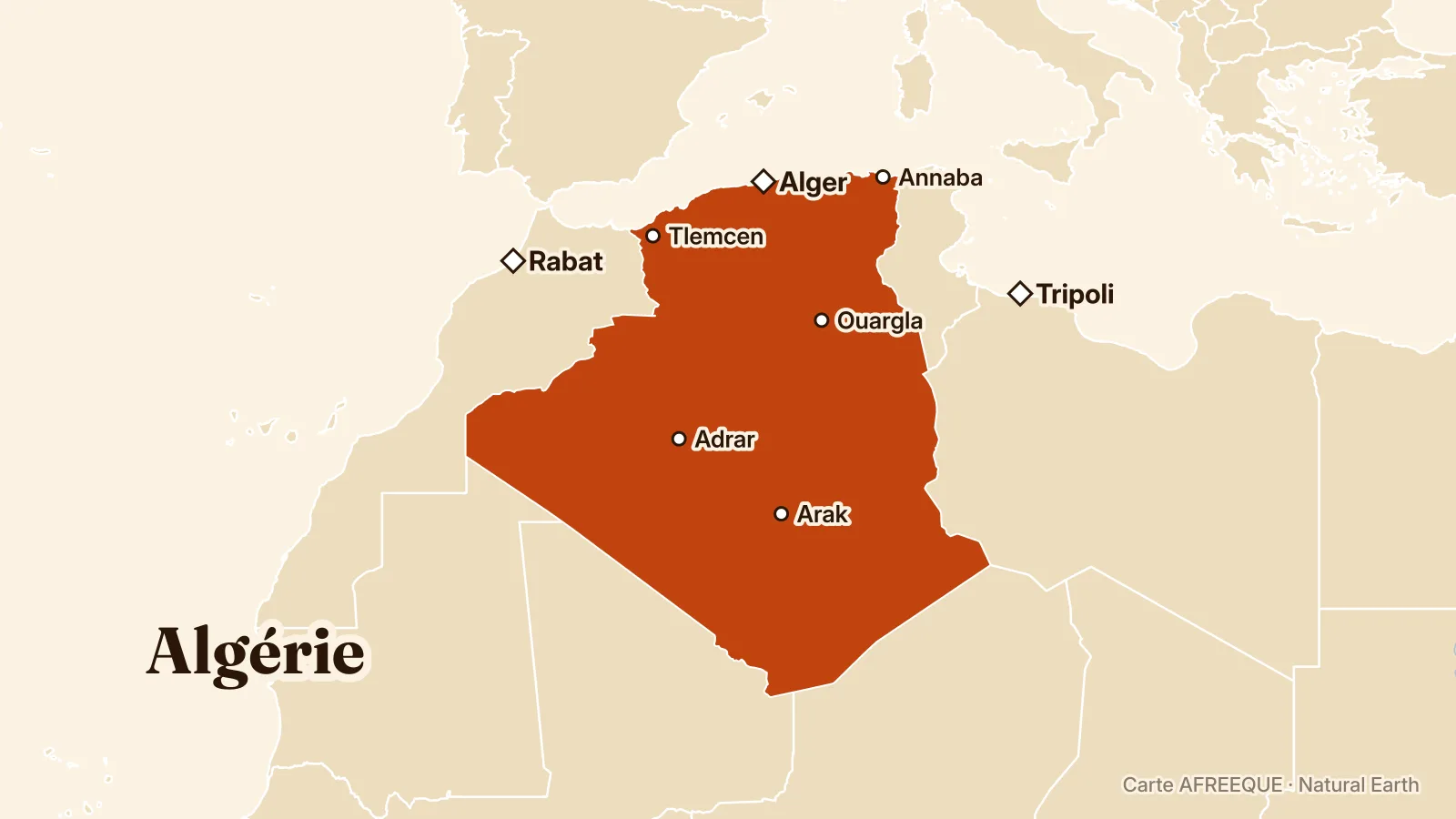
Algeria’s port of Béjaïa unloaded 15,153.60 tonnes of maize in 24 hours, a record for bulk cargo handling, according to Maghreb Emergent and the Béjaïa Port Company. Algérie 360, which puts the figure at 15,153 tonnes, says the operation surpassed the site’s previous record and involved four teams at berth 21, unloading the BUNUN TREASURE from Santarém.
The port of Béjaïa, Algeria, unloaded 15,153.60 tonnes of maize in 24 hours, setting a record for bulk cargo handling, according to a statement by the port company reported by Maghreb Emergent. Algérie 360 gives the figure as 15,153 tonnes. The operation took place at berth 21, unloading the bulk carrier BUNUN TREASURE, from Santarém, directly onto lorries.
Teams used the “under the crane – alongside the lorry” method, avoiding an intermediate storage area and reducing handling. Four teams worked in shifts without interruption throughout the 24-hour operation, the port company said. Algérie 360 added that the site’s previous record was surpassed thanks to this pace, and that operations staff, machinery operators, crew members, weighbridge staff, port authorities, security staff and guards took part.
The achievement is part of an effort to reduce the time ships spend in Algerian ports, in order to limit demurrage and make port calls more efficient, according to Algérie 360. Bulk handling depends in particular on the availability of equipment, weather conditions and the rotation of lorries.
The port of Béjaïa has recorded record levels of overall traffic since the end of 2024, with growth in imports, exports and passenger traffic, according to Maghreb Emergent. Algérie 360 says the imported maize mainly supplies Algeria’s animal-feed industries, particularly poultry and dairy production. The port of Skikda shipped nearly 19,000 tonnes of cement and clinker to Italy and Libya in September, while 26,000 tonnes of cement were shipped from Annaba to the United States in late September, the outlet adds.