Trump defeat reshapes US foreign policy
By the AFREEQUE newsroom, based on The Maravi Post
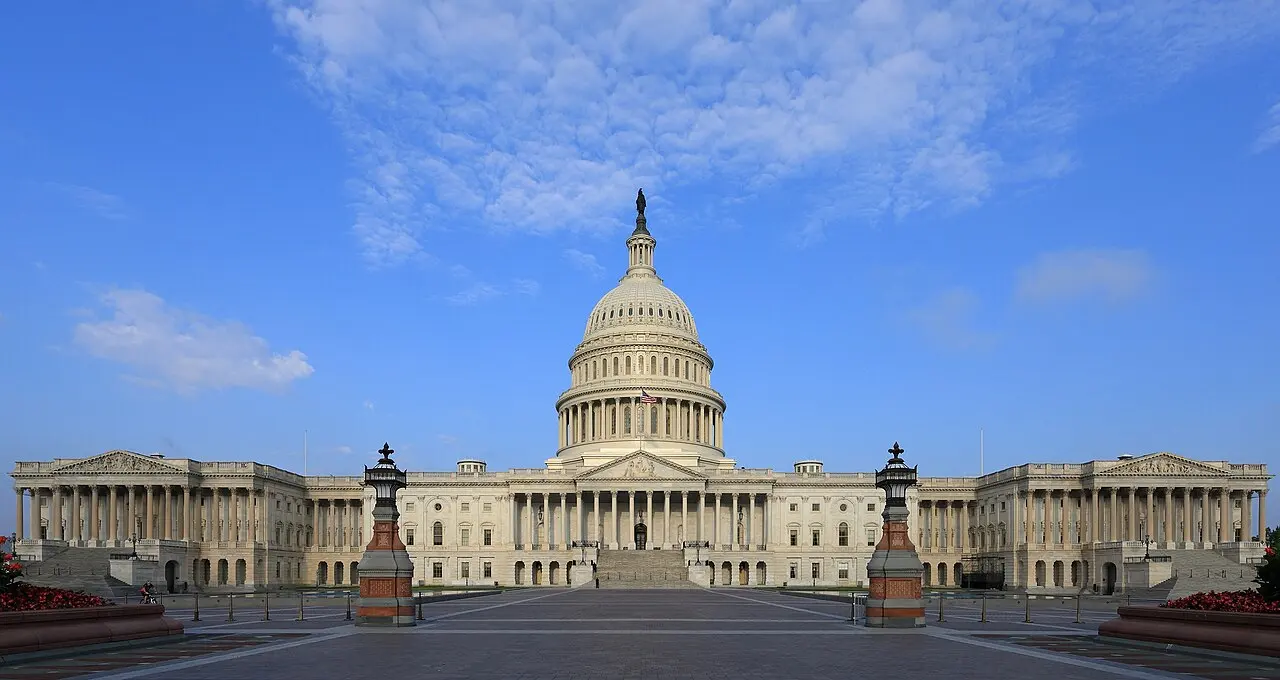
The Democrats’ takeover of both chambers of the US Congress after the midterm elections weakens Donald Trump’s political position. The new balance could influence Washington’s policy towards Iran, Israel and Ukraine, while leaving the president broad diplomatic room for manoeuvre, according to CNN analysis.
The defeat of US President Donald Trump in the 3 November 2026 midterm elections opens a period of uncertainty over US foreign policy, particularly towards Iran, Israel and Ukraine. The Democrats, who have taken control of both chambers of Congress, have greater influence over legislative and budgetary decisions, according to a CNN analysis cited by The Maravi Post.
This new majority does not, however, deprive Donald Trump of his constitutional powers over foreign policy and military command. His allies and opponents are therefore seeking to determine whether the electoral setback will encourage diplomatic compromises or push the president to adopt a more confrontational line.
Iran sees the result as a sign of growing American discontent with the war and its economic consequences, but does not assume that Democratic control of Congress will automatically change Washington’s policy. Donald Trump acknowledged that the conflict had contributed to Republican losses, while Vice-President J. D. Vance described it as a central cause of the defeat. Iranian Parliament Speaker Mohammad Bagher Ghalibaf warned Washington that it would face the consequences of refusing to listen to American voters.
Caution remains the order of the day in Tehran. Iran’s Supreme Leader Mojtaba Khamenei reportedly rejected the idea that the election result would fundamentally transform the US position, leaving open the possibility of continued confrontation and new negotiations. This assessment follows J. D. Vance’s attribution of the Republican defeat to the war in Iran (J. D. Vance attributes Republican defeat to the war in Iran).