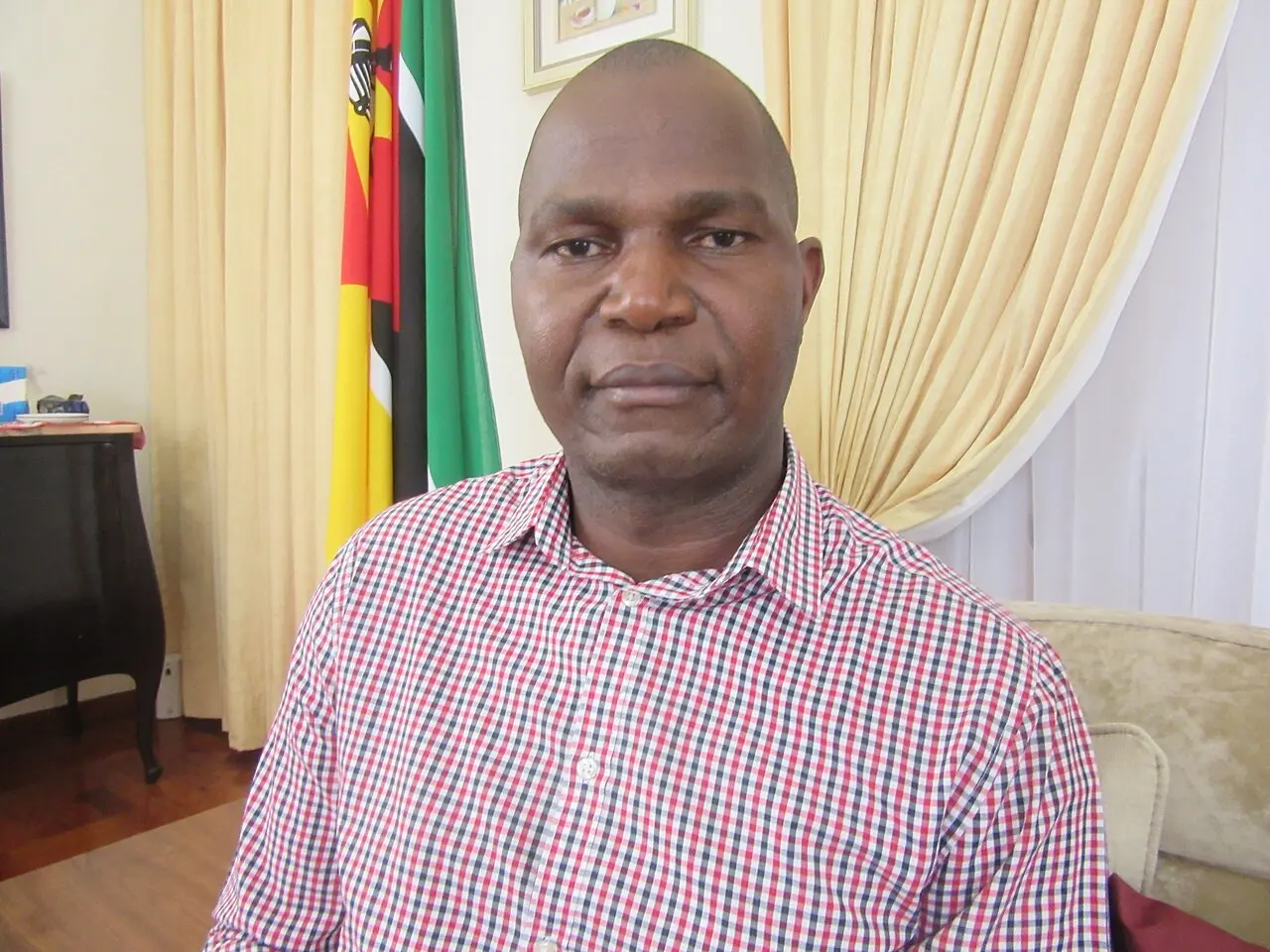
Researcher Rui Verde highlights Angolan disillusionment with China
By the AFREEQUE newsroom, based on Jornal F8
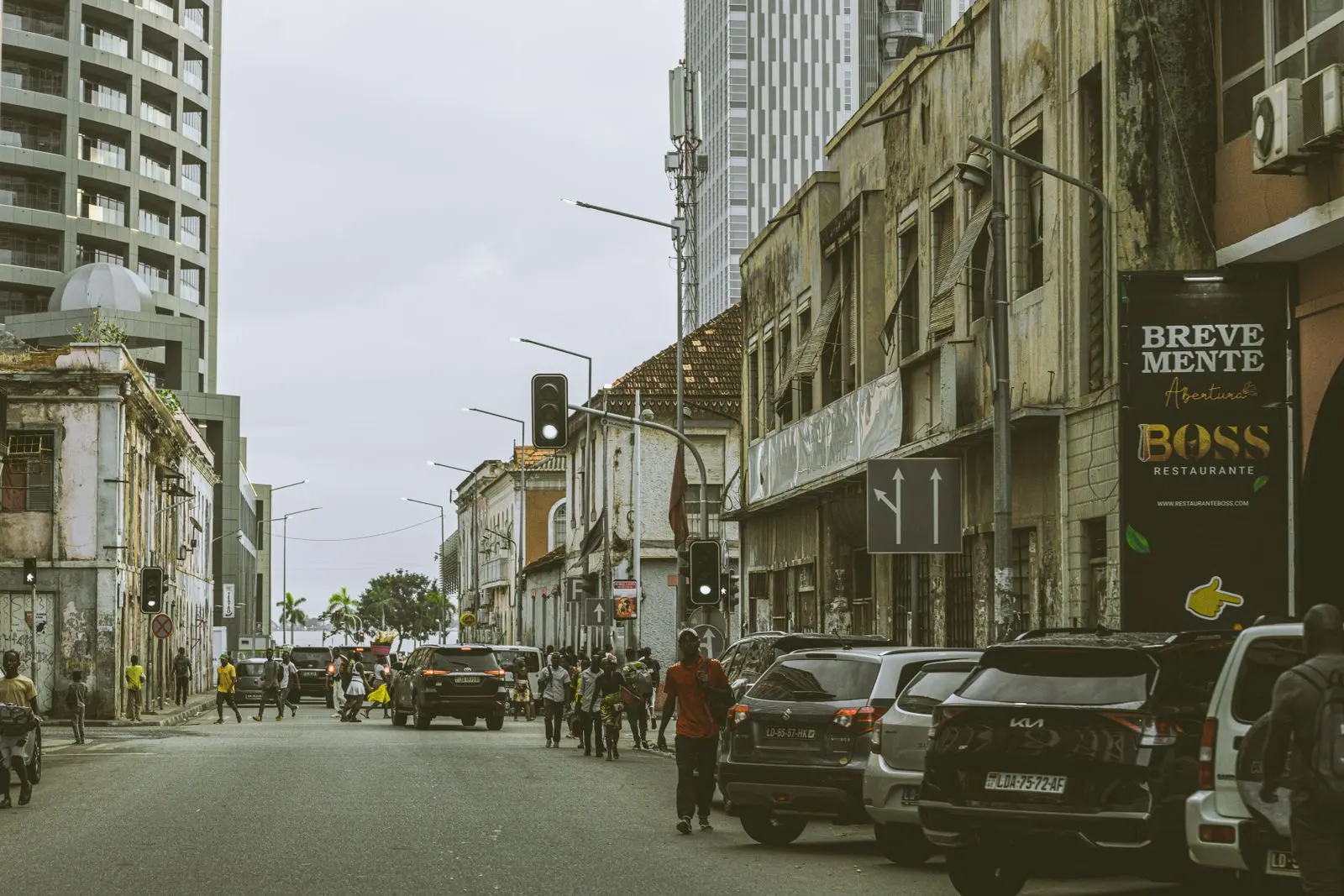 Illustrative image · basunga visual · Pexels · Licence Pexels
Researcher Rui Verde believes Angola’s enthusiasm for China has given way to disappointment as the cost of a relationship based on ties between individuals and companies has become apparent. In a new book covering more than two decades, he describes private deals funded with public money, corruption, accumulated debt and growing political distance, according to Lusa.
Relations between Angola and China, initially driven by hopes of rapid reconstruction after the civil war, have gradually become a source of disillusionment because they operated through private networks rather than institutional agreements. This is one of the conclusions reached by Angolan researcher Rui Verde in his book "Redefining the China-Angola Relationship: Privatization, Development and Disenchantment", discussed in an interview with Portuguese news agency Lusa.
After the conflict ended in 2002, Beijing financed part of Angola’s reconstruction through loans and the participation of Chinese companies in major construction projects. Rui Verde believes, however, that this cooperation was organised around individuals and their commercial interests. Among the main players were Chinese-British businessman Sam Pa, associated with the activities of the China International Fund, his partner Lu Fong, as well as Manuel Vicente, former head of Sonangol and former vice-president of Angola, and General Manuel Hélder Vieira Dias, known as Kopelipa, a former minister and head of national reconstruction.
The mechanisms behind these relationships began to be exposed more widely after José Eduardo dos Santos left the presidency in 2017, following 38 years in power, and João Lourenço took office. Rui Verde, who heads the Centre for Studies on the Economic and Social Development of Africa (CEDESA), explains that Beijing is believed to have favoured arrangements between individuals and joint-venture companies to limit the visibility of its presence in Angola among Western powers.
According to the researcher, this model helped facilitate the diversion of public funds, some of which passed through Sonangol, Angola’s state-owned oil company. The accumulation of debt and the gradual political distancing between Luanda and Beijing are also among the consequences of this arrangement. On 20 November 2026, Angola notably concluded a 2.1 billion dollar crude oil purchase as part of its debt to China, an operation discussed in our article on Angolan crude purchases linked to Chinese debt.