URGENT

Electricity in Eswatini could cost 43% more by 2029

By , based on Times of Eswatini

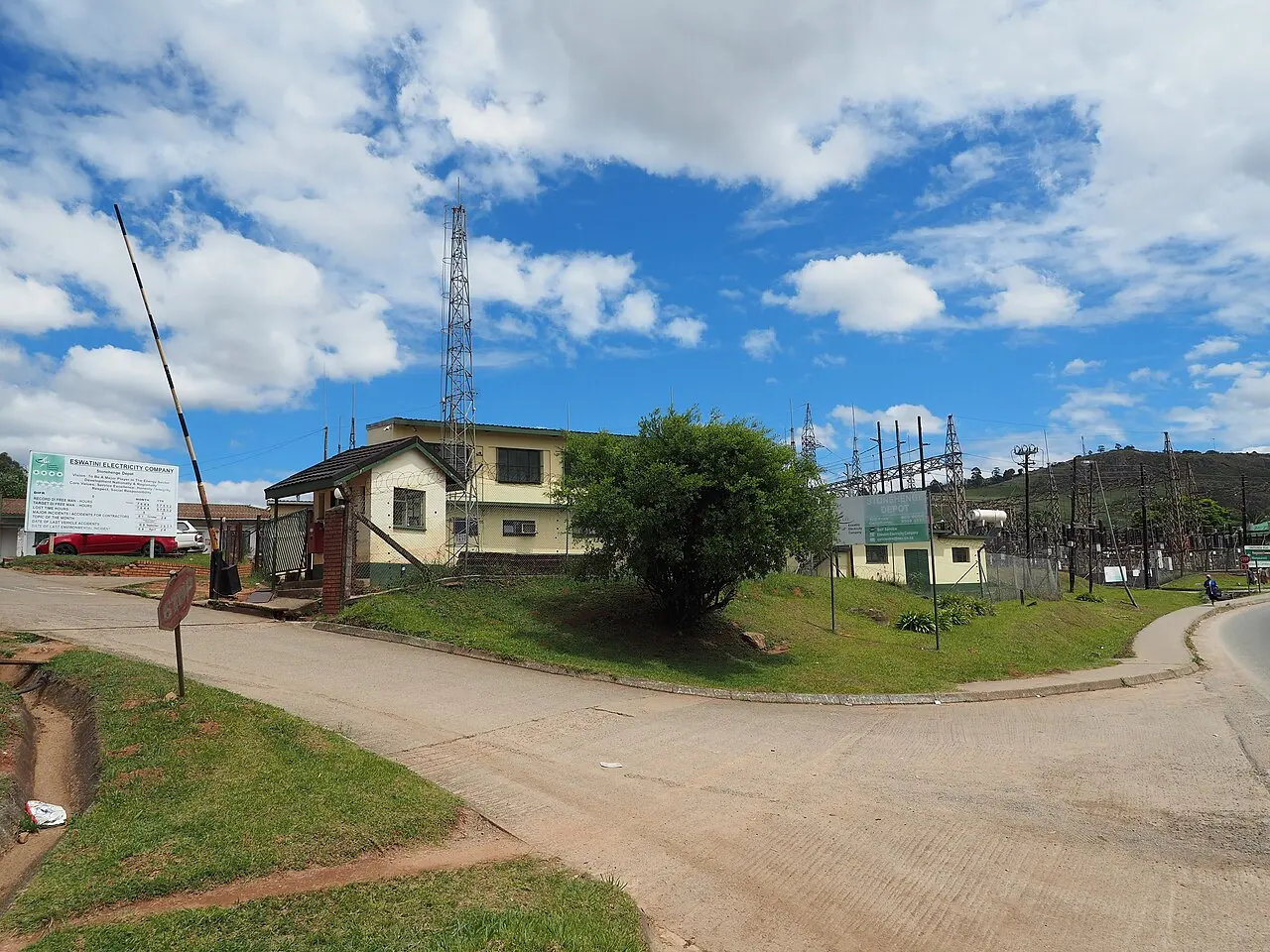
Electricity in Eswatini could cost 43% more by 2029Walmaul · CC BY-SA 4.0

State-owned electricity company Eswatini Electricity Company (EEC) is proposing tariff increases that would raise the bill for a household consuming 200 units a month by 43.2% by the 2028-2029 financial year. For 2027-2028, the bill would rise from 572 to 698 emalangeni a month, an increase of 22%, according to the Times of Eswatini.

Eswatini households consuming 200 units of electricity a month would pay 43.2% more by the 2028/29 financial year, according to projections by the Eswatini Electricity Company (EEC), the state-owned electricity company, presented on Thursday at the country’s Editors Forum in Mbabane.

The monthly bill for these households would rise from the current 572 emalangeni to 698 emalangeni in 2027/28, then to 819 emalangeni in 2028/29, an increase of 247 emalangeni over two years. Small businesses consuming 300 units would see their bills rise from 1,226 to 1,639 emalangeni, a cumulative increase of 33.7%, according to the same tariff schedule.

These projections are based on requests for average increases of 18.38% for 2027/28 and 14.68% for 2028/29, presented by Mphumuzi Maziya, EEC’s general manager for research and development. For the current financial year, the company had requested a 20.67% increase, before the regulator, the Eswatini Energy Regulatory Authority (ESERA), approved 13.61%, which was reduced to an effective 11.74% in April 2026 following a government subsidy.

This new request follows the 18.38% increase already submitted by EEC, which the Prime Minister had accompanied with an audit of electricity company EEC after a loss of 406 million emalangeni.
Share this article

Related stories

Eswatini power utility EEC seeks 18.38% tariff increase

The Eswatini Electricity Company is asking the regulator ESERA for an average tariff increase of 18.38% for 2027/28, then 14.68% for 2028/29, seven months after the last increase. According to the regulator, the request is driven mainly by the cost of bulk electricity purchases (61% of required revenue) and 533.1 million emalangeni in past losses to be recovered.

🇸🇿 Eswatini · Source: Times of Eswatini ·

Eswatini plans 8.2 billion emalangeni for arrears

Eswatini’s government plans to raise 8.2 billion emalangeni through budget-support loans and the Johannesburg Stock Exchange to settle arrears owed to domestic suppliers and contractors. The plan is in the 2026-2027 mid-year budget review, according to the Ministry of Finance.

🇸🇿 Eswatini · Source: Times of Eswatini ·

Eswatini salaries: no agreement as government proposes 0% adjustment

The government and public service unions have failed to reach an agreement after three days of negotiations on the cost-of-living adjustment for 2026-2027: the state is proposing 0%, while the unions are demanding 7.9%. The government negotiating team must obtain a new negotiating mandate within two weeks, according to the Times of Eswatini.

🇸🇿 Eswatini · Source: Times of Eswatini ·

Eswatini PM orders EEC audit after 406m emalangeni loss

Eswatini Prime Minister Russell Mmiso Dlamini has ordered the board of the Eswatini Electricity Company (EEC) to conduct a financial assessment after an operating loss of about 406 million emalangeni. The audit aims to identify the causes of the difficulties and reduce costs without increasing tariffs for consumers.

🇸🇿 Eswatini · Source: Times of Eswatini ·

🇸🇿 Latest from Eswatini

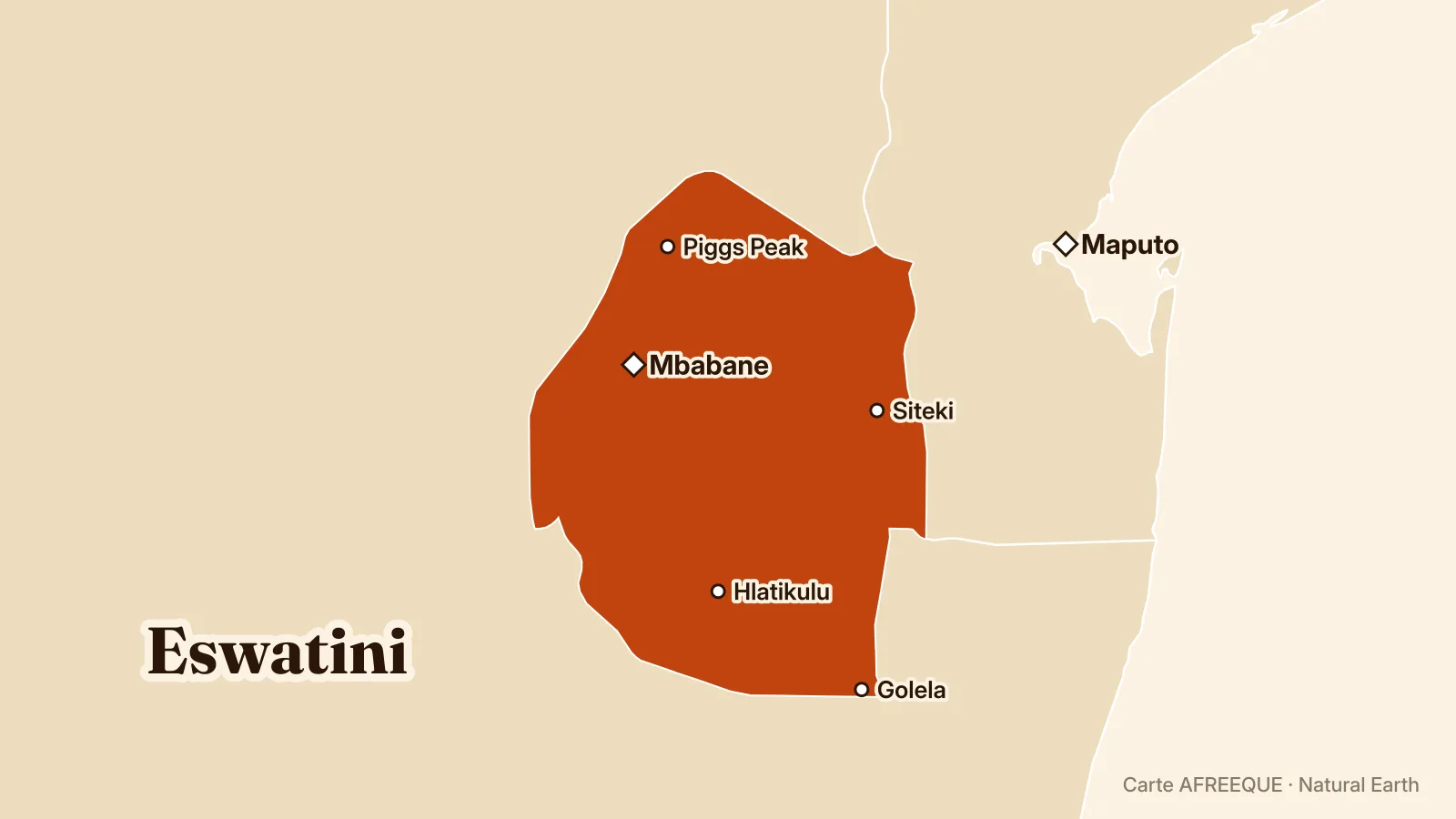
Map: EswatiniNgwempisi River records 28 mg/L chemical oxygen demandEswatini’s Environmental Authority has measured approximately 28 mg/L of chemical oxygen demand in the Ngwempisi River, compared with the 10 mg/L recommended for treated drinking water. Tests reveal a high concentration of oxidisable substances, while the nature and source of the contaminant remain to be determined, according to the authority cited by Times of Eswatini.All Eswatini news →

Business in Southern Africa

Zimbabwean government eases freeze on local authority spendingZimbabwean government eases freeze on local authority spendingThe Zimbabwean government has significantly relaxed its freeze on local authority spending, after banning authorities with salary arrears last month from travelling abroad and buying vehicles. The Daily News reports that the measures also covered workshops held outside their jurisdictions.All Business news →

The week in Africa

This week’s highlights

  1. Nigeria’s national grid output plunges to 781 MW🇳🇬 Nigeria
  2. Chagos: London agrees to joint plan with Mauritius before December🇲🇺 Mauritius
  3. Trump, Xi and Putin adopt peace declaration🇨🇳 China
  4. Myanmar found responsible for genocidal intent against the Rohingya🇲🇲 Myanmar (Burma)
  5. Washington urges UAE to support a truce in Sudan🇸🇩 Sudan
All of this week’s highlights →

Africa in your inbox

Be the first to get our letter in English: the essentials from every region of the continent, free.

Free · one email a week · unsubscribe in one click. Your address is only used to send you the letter, never sold. Personal data

← Back to the news