Ngwempisi River records 28 mg/L chemical oxygen demand
By the AFREEQUE newsroom, based on Times of Eswatini
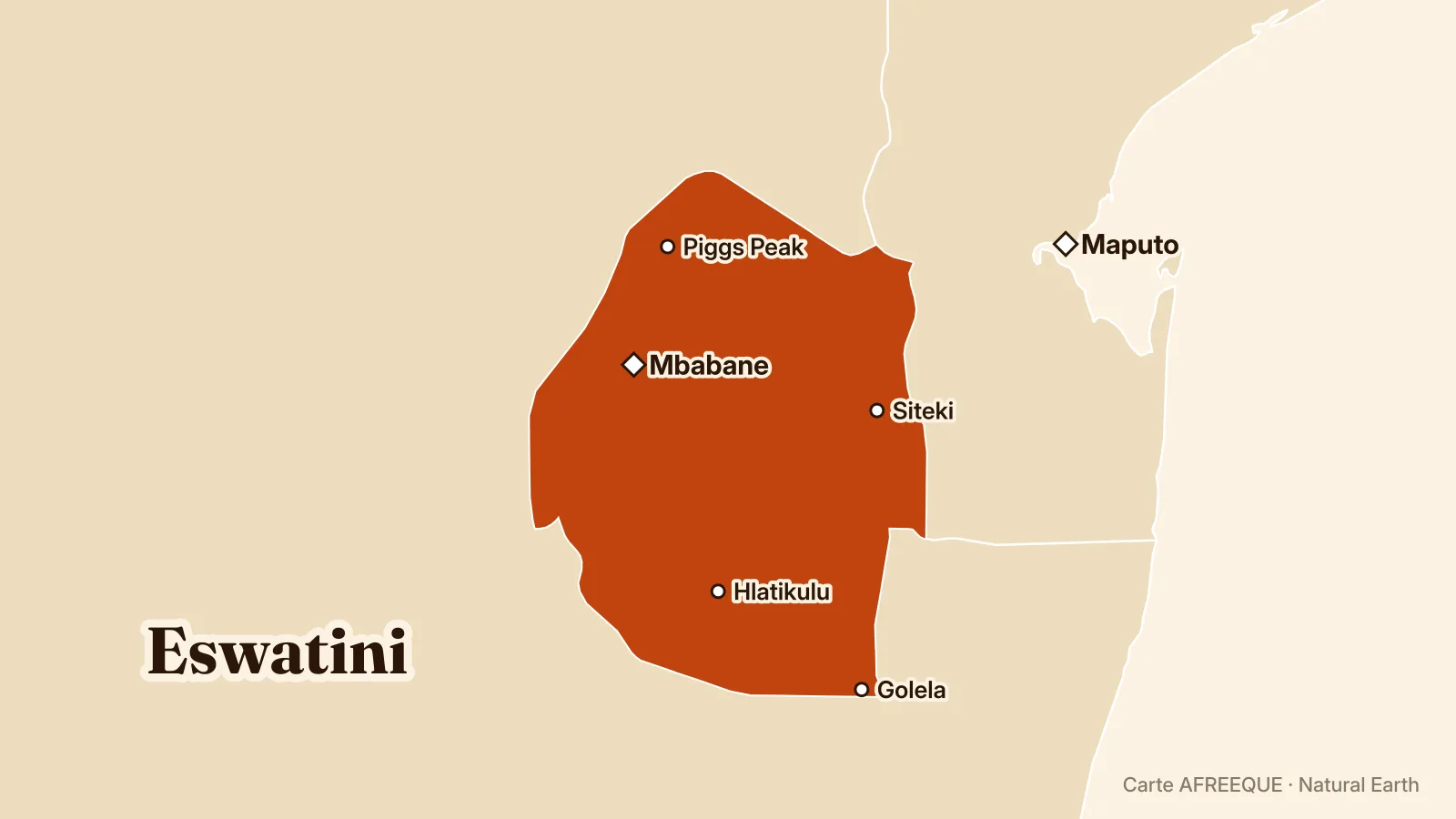
Eswatini’s Environmental Authority has measured approximately 28 mg/L of chemical oxygen demand in the Ngwempisi River, compared with the 10 mg/L recommended for treated drinking water. Tests reveal a high concentration of oxidisable substances, while the nature and source of the contaminant remain to be determined, according to the authority cited by Times of Eswatini.
Laboratory tests conducted by the Eswatini Environment Authority (EEA) have revealed a chemical oxygen demand (COD) of approximately 28 milligrams per litre in the Ngwempisi River. This exceeds the recommended threshold of 10 mg/L for treated drinking water, said Mxolisi Maphanga, the authority’s acting director. Samples were collected after residents living along the river reported the appearance of a foamy substance.
According to Maphanga, the result suggests the presence of organic matter or other chemical compounds capable of consuming oxygen during oxidation. Investigations have ruled out fertilisers and wastewater as possible explanations, but tests have not yet identified the substance involved. COD measures the amount of oxygen required to chemically oxidise the materials present in a water sample.
Residents use the river for domestic needs and watering livestock. Asked about the risks associated with human consumption, the EEA official said that the COD measurement alone was insufficient to reach a definitive conclusion about whether the water was safe to drink.