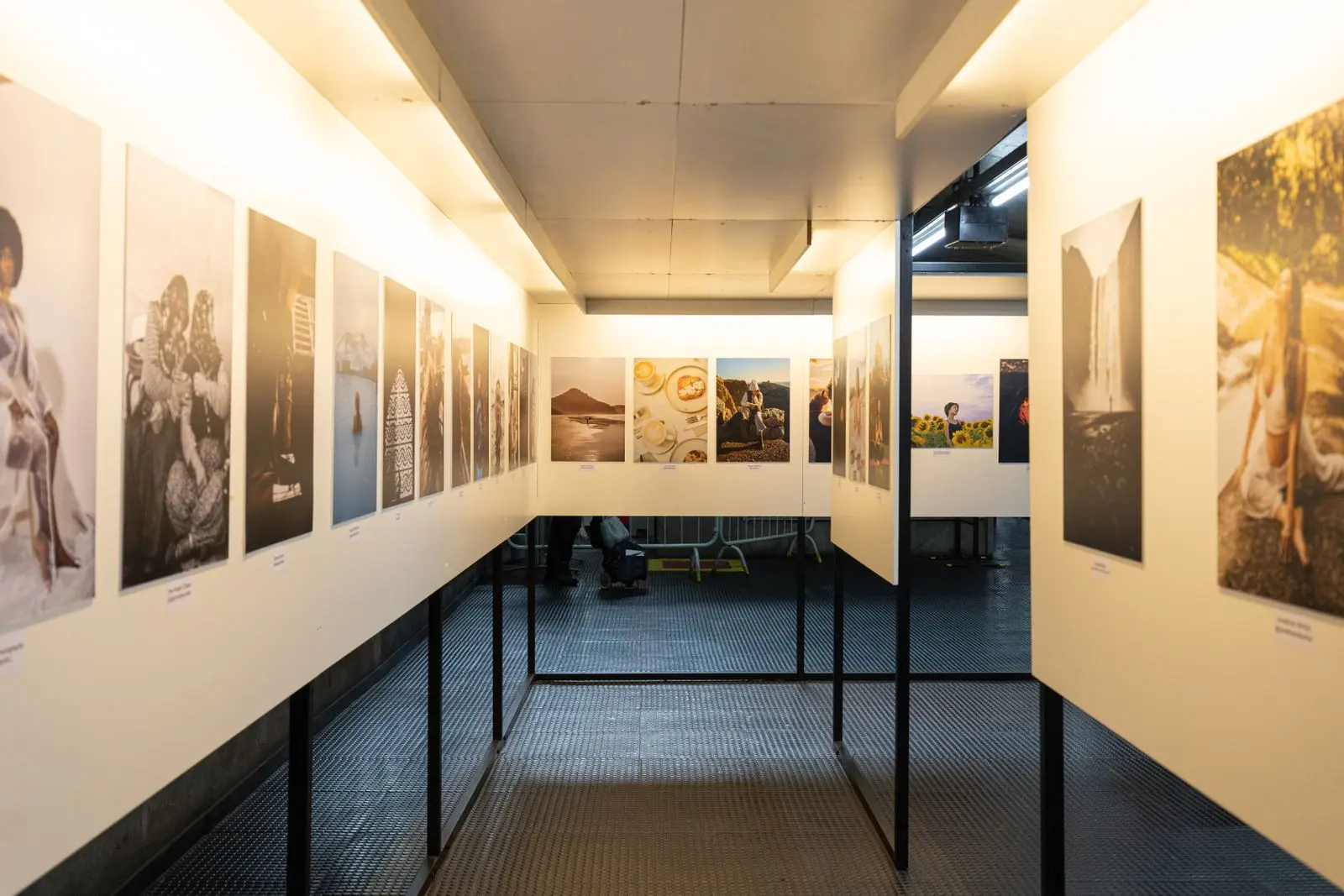
Exhibition in Angola showcases clothing worn by black women
By the AFREEQUE newsroom, based on Expansão
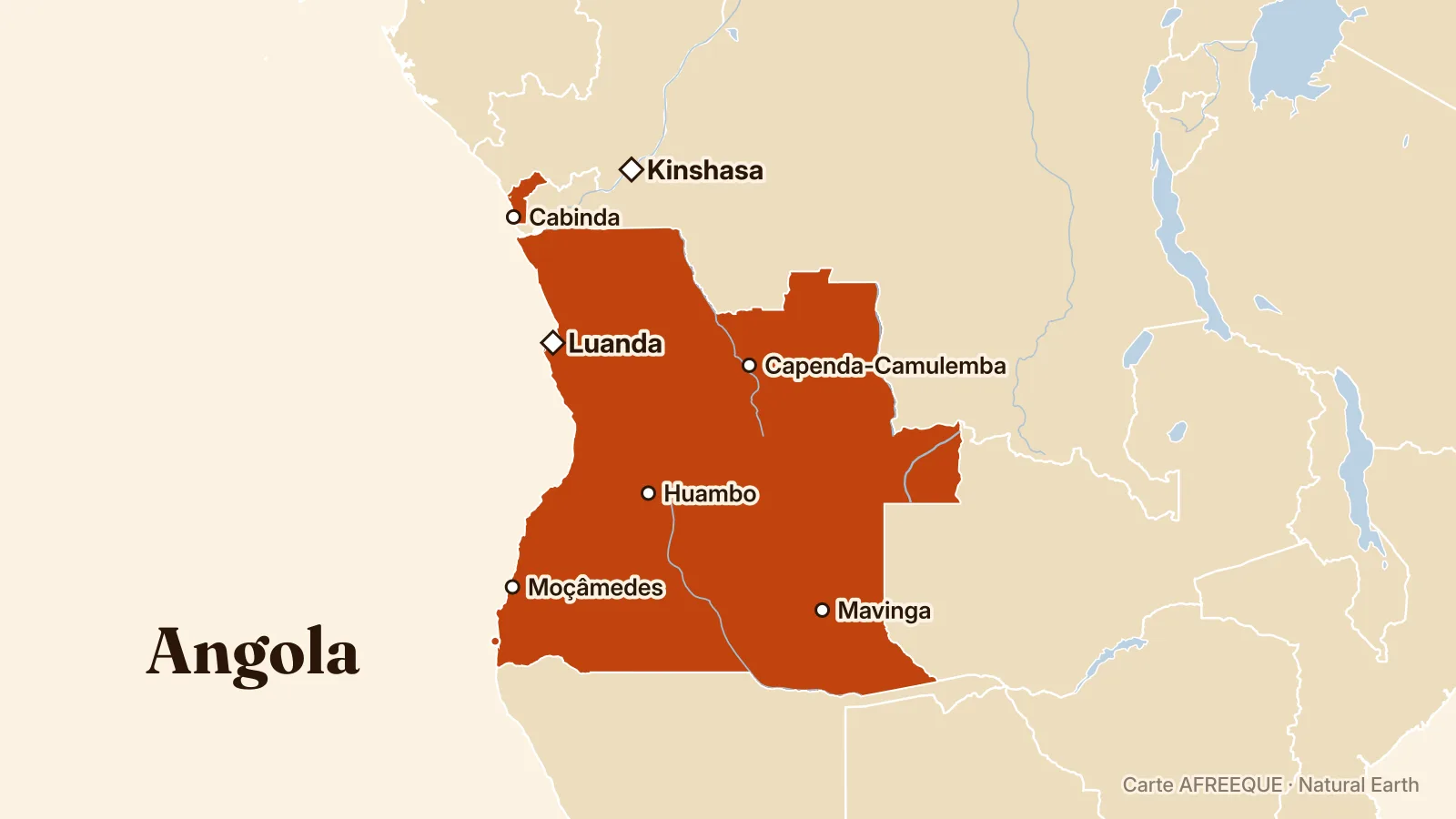
The ‘Indumentárias Ancestrais’ exhibition presents clothing worn by African communities in the 18th and 19th centuries, establishing a link with the heritage of black populations in Brazil. Its creator explains that her research aims to document the clothing of black women, who are poorly represented in museum collections, in an interview with Expansão.
The Brazilian researcher behind the exhibition ‘Indumentárias Ancestrais’ is presenting a collection in Angola of outfits inspired by clothing worn by black women in the 18th and 19th centuries. The project draws on research conducted in Brazil, Angola and Nigeria to document African clothing traditions and their links with Afro-Brazilian culture, Expansão reports.
The initiative grew out of work carried out in Rio Grande do Sul, where the researcher says she noticed that black populations were poorly represented in museum collections, which often focused solely on objects associated with slavery. She searched for photographs, paintings, engravings and other visual archives to reconstruct women’s clothing from that period.
Her research took her to Bahia, Brazil, then to Angola in January 2025 and Nigeria. She cites, in particular, the pano da costa, a fabric found in Nigeria and worn in Angola by bessanganas, as one of the elements demonstrating these African influences. Five outfits inspired by her discoveries were made and presented to the Júlio de Castilhos Museum in Porto Alegre, where an initial exhibition was held from May to July 2026 before being presented in Angola.