Punch distinguishes Nigeria’s role from Boko Haram’s in child recruitment
By the AFREEQUE newsroom, based on Punch
A Punch editorial examines Nigeria’s inclusion on the 2026 US blacklist concerning child soldier recruitment and distinguishes the state’s responsibilities from those of Boko Haram and the Islamic State in West Africa. It calls for an evidence-based assessment, as videos reported to show children associated with armed groups have renewed concern.
In an editorial, Nigerian daily Punch says the inclusion of Nigeria on the 2026 US blacklist concerning child soldier recruitment should not lead to the government being automatically blamed for the crimes of Boko Haram and the Islamic State in West Africa (ISWAP). The newspaper calls for the state’s responsibilities to be distinguished from those of armed groups, while acknowledging that government forces and groups it supports must answer for their own actions.
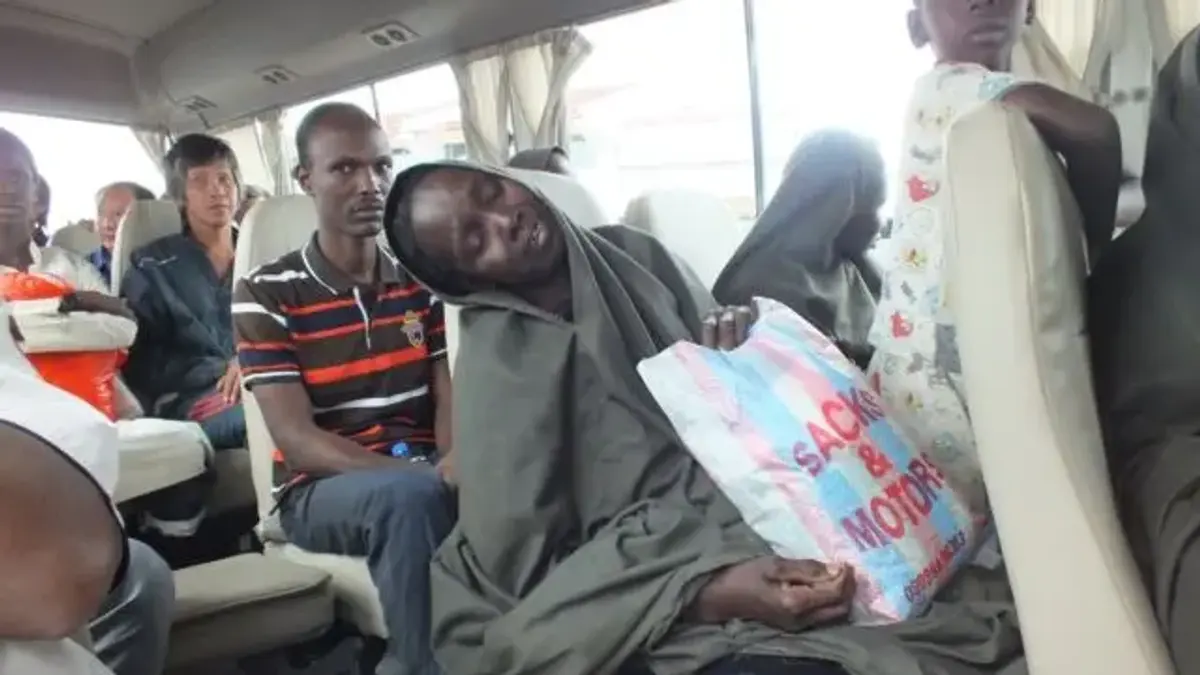
Punch recalls that Boko Haram and ISWAP abduct and exploit children as fighters, scouts, spies, messengers, carriers and cooks. Girls are also victims of forced marriages and sexual violence, and children have been used in suicide bombings. The editorial mentions recent images reportedly showing armed children in terrorist hideouts, as well as the testimony of a teenage captive who is said to have received nearly one million naira to buy food for fighters.
The newspaper also cites the suicide bombings on 16 March in Maiduguri, which reportedly killed at least 23 people and injured more than 108. It recalls that the 2008 US Child Soldiers Prevention Act targets governments whose armed forces, police or other security forces recruit or use child soldiers, as well as armed groups they support. The legal definition covers those under 18 employed in hostilities and certain support roles.