Presidential campaign begins in Cape Verde ahead of 15 November
By the AFREEQUE newsroom, based on A Nação and Expresso das Ilhas
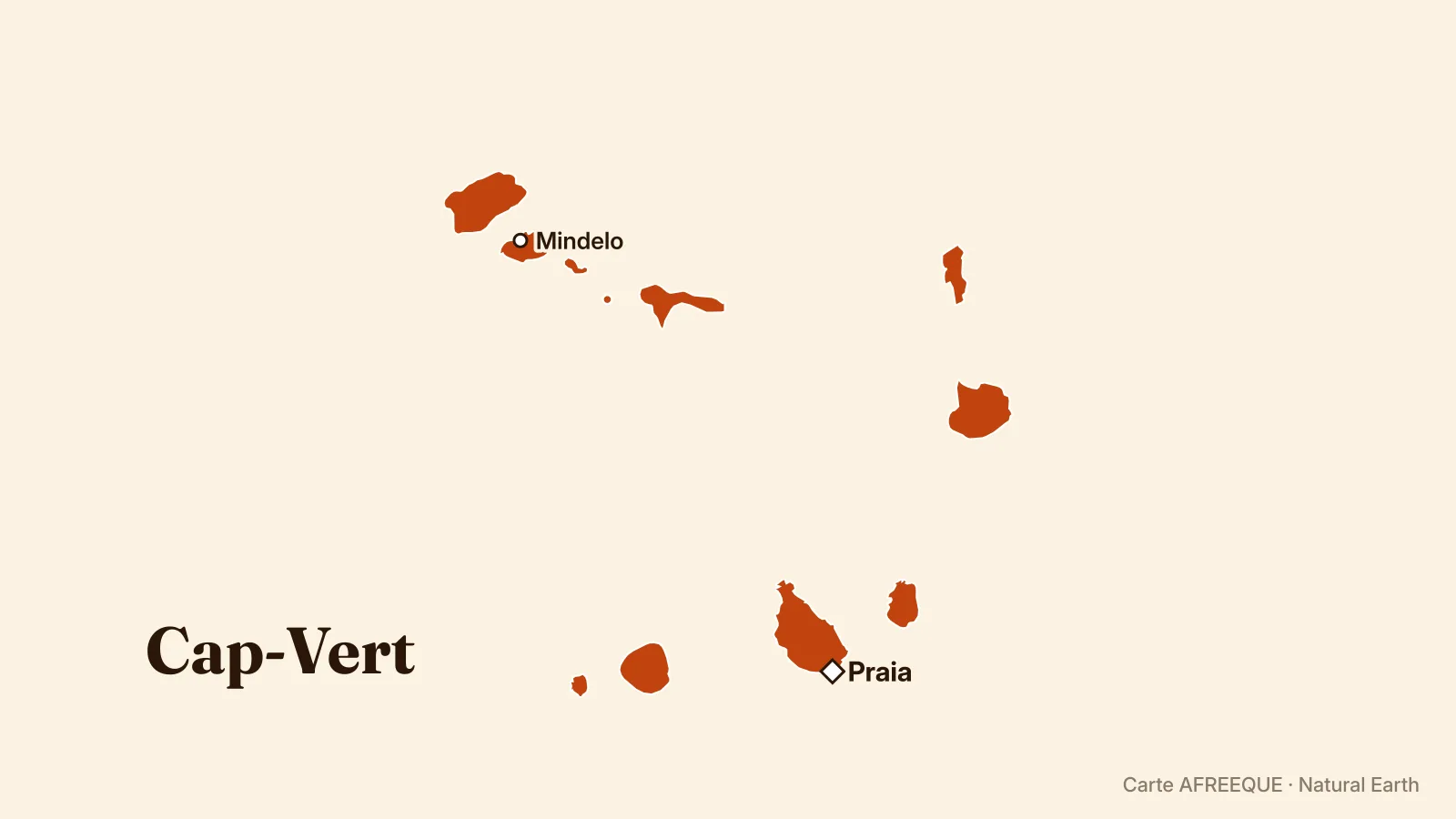
The campaign for Cape Verde’s 15 November presidential election began on 29 October, with rallies, debates and meetings with voters. The National Electoral Commission is urging candidates to respect funding, campaigning and airtime rules, A Nação reports. Expresso das Ilhas lists 426,531 voters and six candidates, compared with five validated candidacies according to A Nação.
The campaign for Cape Verde’s presidential election began on Thursday 29 October, just over two weeks before the vote scheduled for 15 November. The candidates will spend two weeks holding rallies, debates, parades and outreach activities to mobilise voters, A Nação reports. According to the timetable of the National Electoral Commission (CNE), cited by Expresso das Ilhas, the campaign will end on 13 November.
The CNE has called for a civic, transparent campaign centred on debate over ideas. It has requested compliance with funding limits, poster regulations and equal speaking time in the media, while warning against personal attacks and disinformation. Expresso das Ilhas reports that 426,531 voters are registered, including 76,898 in the diaspora, or 18% of the total. The final electoral rolls have yet to be submitted to the CNE, according to a source at the organisation cited by Lusa, while registration had already been suspended in September, with data liable to be corrected.
President José Maria Neves is defending a platform focused on consolidating democracy and institutional stability. Former Justice Minister Joana Rosa is emphasising the modernisation of the justice system, social cohesion and civil rights, while Casimiro de Pina has made transparency and the fight against corruption the main pillars of his candidacy, according to A Nação. Expresso das Ilhas specifies that José Maria Neves, who is seeking a second term, is backed by PAICV, while Joana Rosa has the support of MpD. The media outlet also names Gilson Alves, a doctor, Antero Tavares, a judge, and Loisito Sousa, a teacher, among the other candidates.
The start of the campaign follows the validation of five candidacies by the Constitutional Court, announced on 27 September, according to A Nação. Expresso das Ilhas reports that there are six candidates this year, compared with seven in 2021. In the previous election, abstention reached 52%; José Maria Neves was elected in the first round with 51.8% of the vote, ahead of Carlos Veiga, who received 42.4%. All Cape Verdean presidents elected by universal suffrage who have sought a second term have so far been re-elected, Expresso das Ilhas reports.