Portugal raises citizenship residence requirement to 10 years
By the AFREEQUE newsroom, based on Vanguard
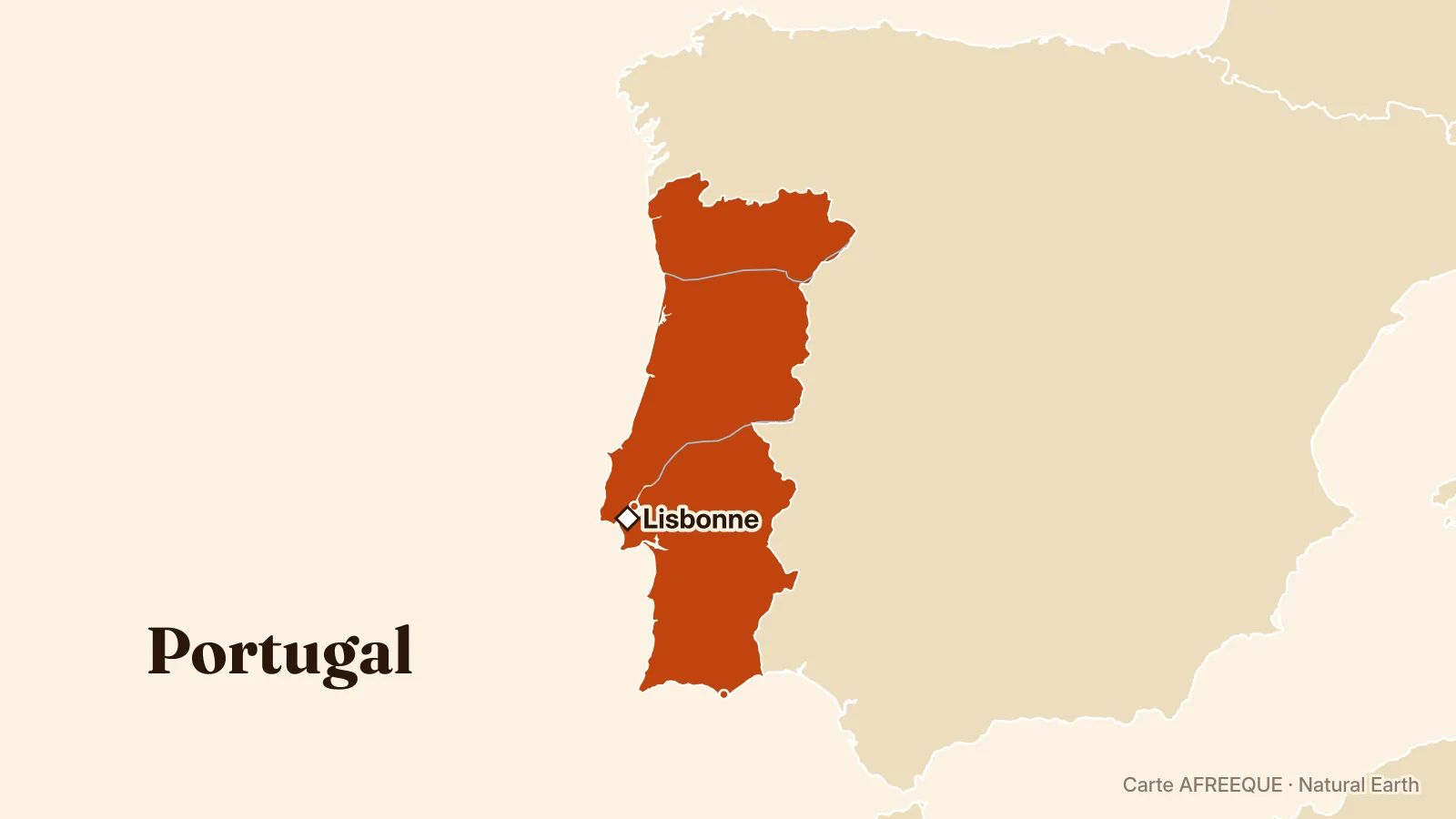
Portugal is raising the required residence period for citizenship applications to 10 years for nationals of non-European, non-Portuguese-speaking countries, while the period is set at seven years for other categories. The measure aims in particular to reduce a backlog of 690,480 applications, according to Vanguard.
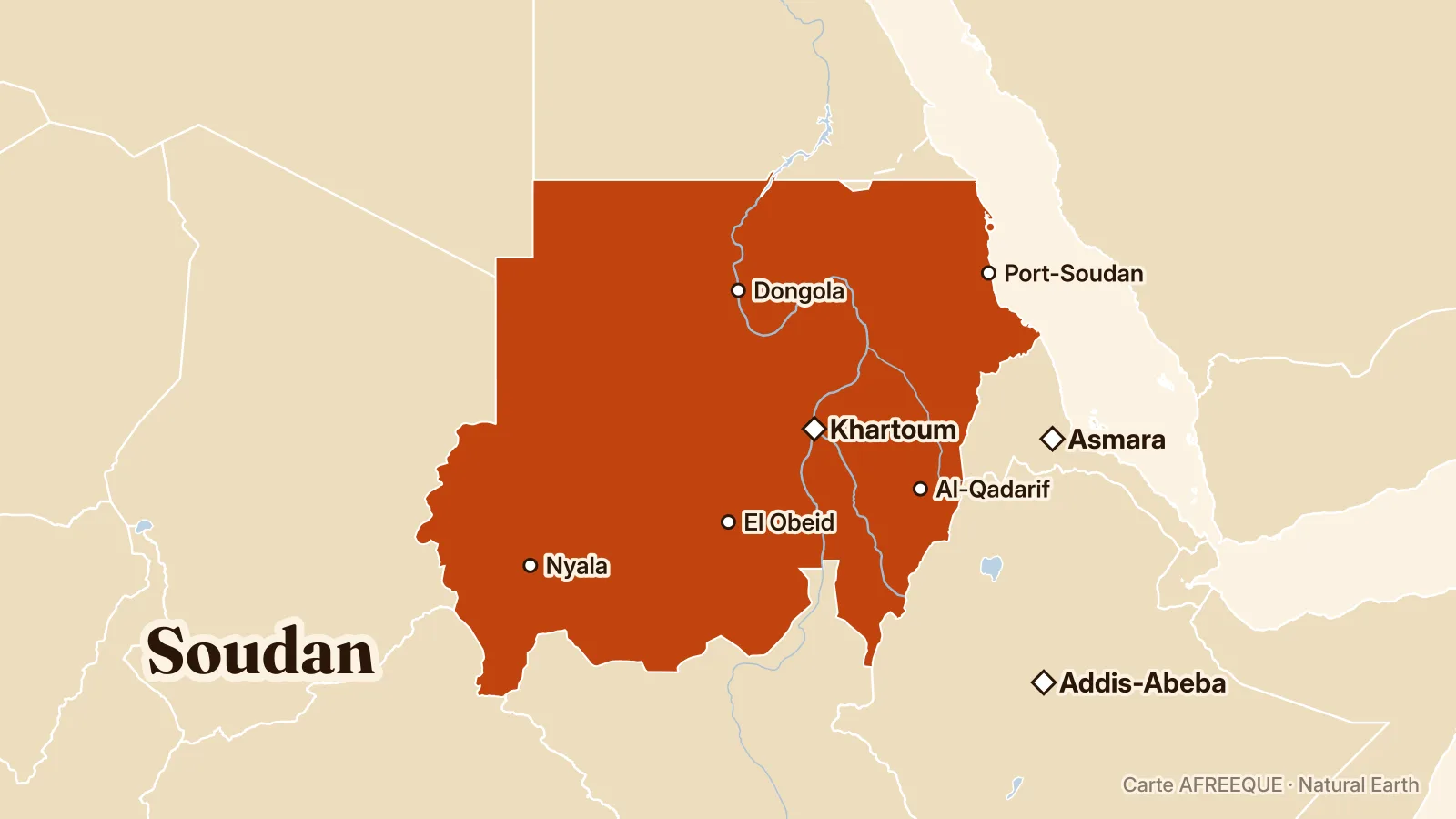
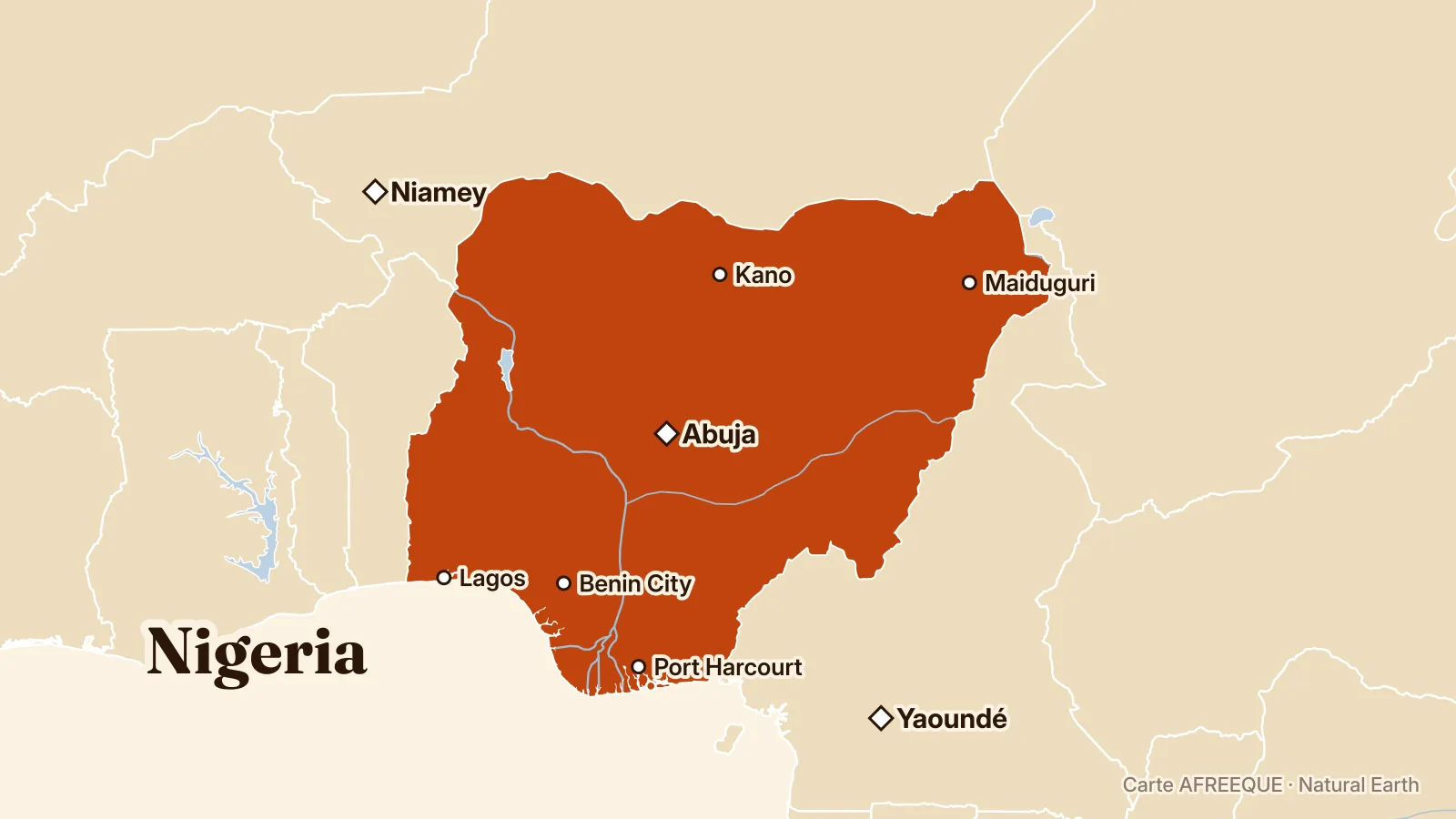
Portugal has applied a 10-year residence requirement since 19 May 2026 for citizenship applications submitted by nationals of Nigeria, India, Pakistan, Nepal, Bangladesh and other non-EU, non-Portuguese-speaking countries. The implementing regulations were approved by the Council of Ministers on 29 October, according to Vanguard.
Nationals of the European Union and Portuguese-speaking countries, including Angola, Mozambique, Cape Verde, Guinea-Bissau, São Tomé and Príncipe and Equatorial Guinea, will be able to apply for citizenship after seven years of residence. Applications submitted before 19 May remain subject to the previous five-year requirement, according to the Agency for Integration, Migration and Asylum (AIMA), the Portuguese body responsible for migration issues.
The reform also abolishes a 2024 rule that allowed the waiting period for a residence permit to count towards the required period. Applicants must notably prove their command of Portuguese, their knowledge of the country’s culture, history and democratic institutions, their financial independence and their commitment to democratic principles.
Portugal’s Ministry of Justice counted 690,480 citizenship applications awaiting processing on 30 June 2026, 38% more than a year earlier. About 26% of these files were based on residence. The reform follows the United Kingdom’s decision to raise the standard period for permanent residence to 10 years, on 2 November 2026.