Nigeria’s fraud rules do not address AI payments
By the AFREEQUE newsroom, based on Businessday
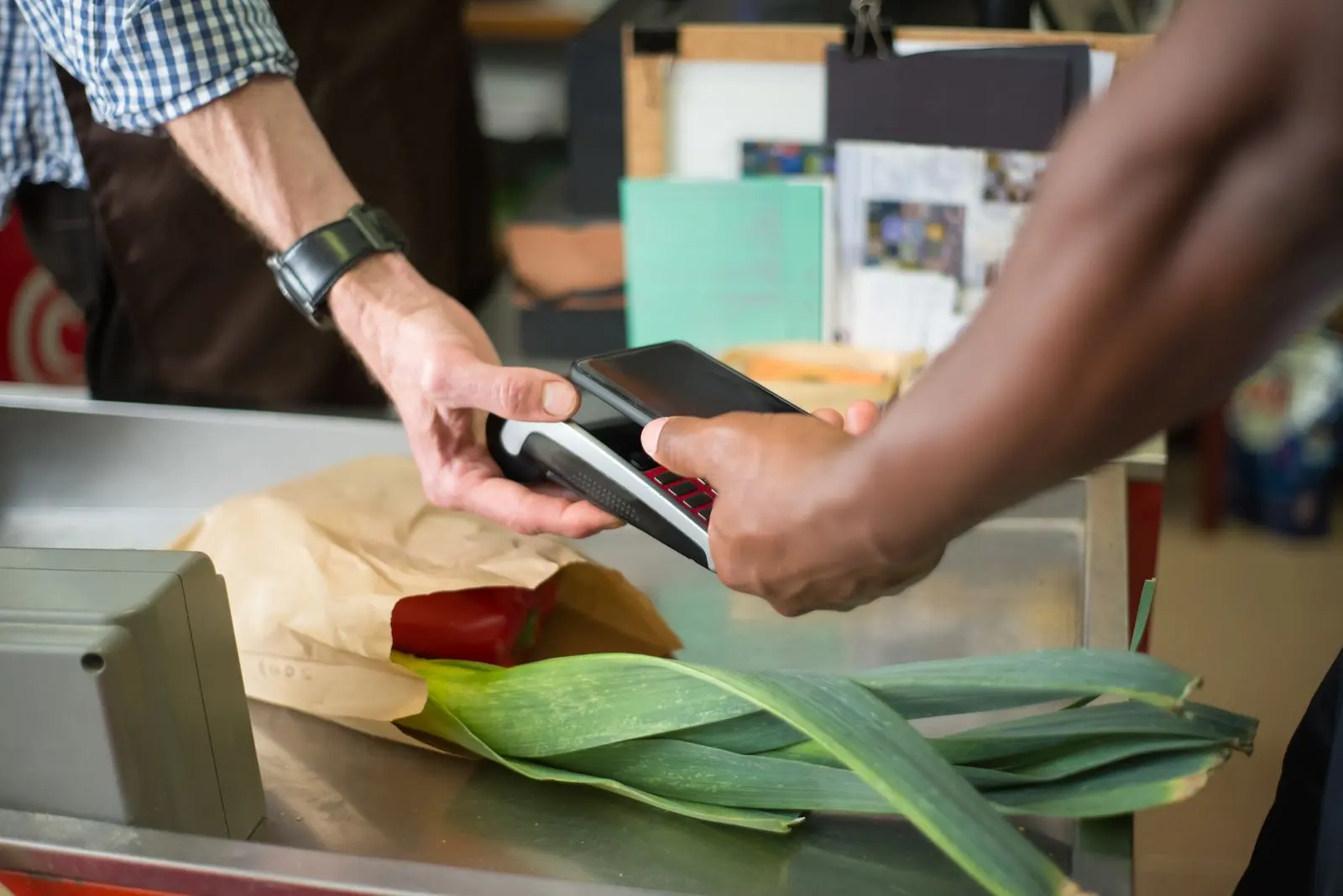 Illustrative image · Kampus Production · Pexels · Licence Pexels
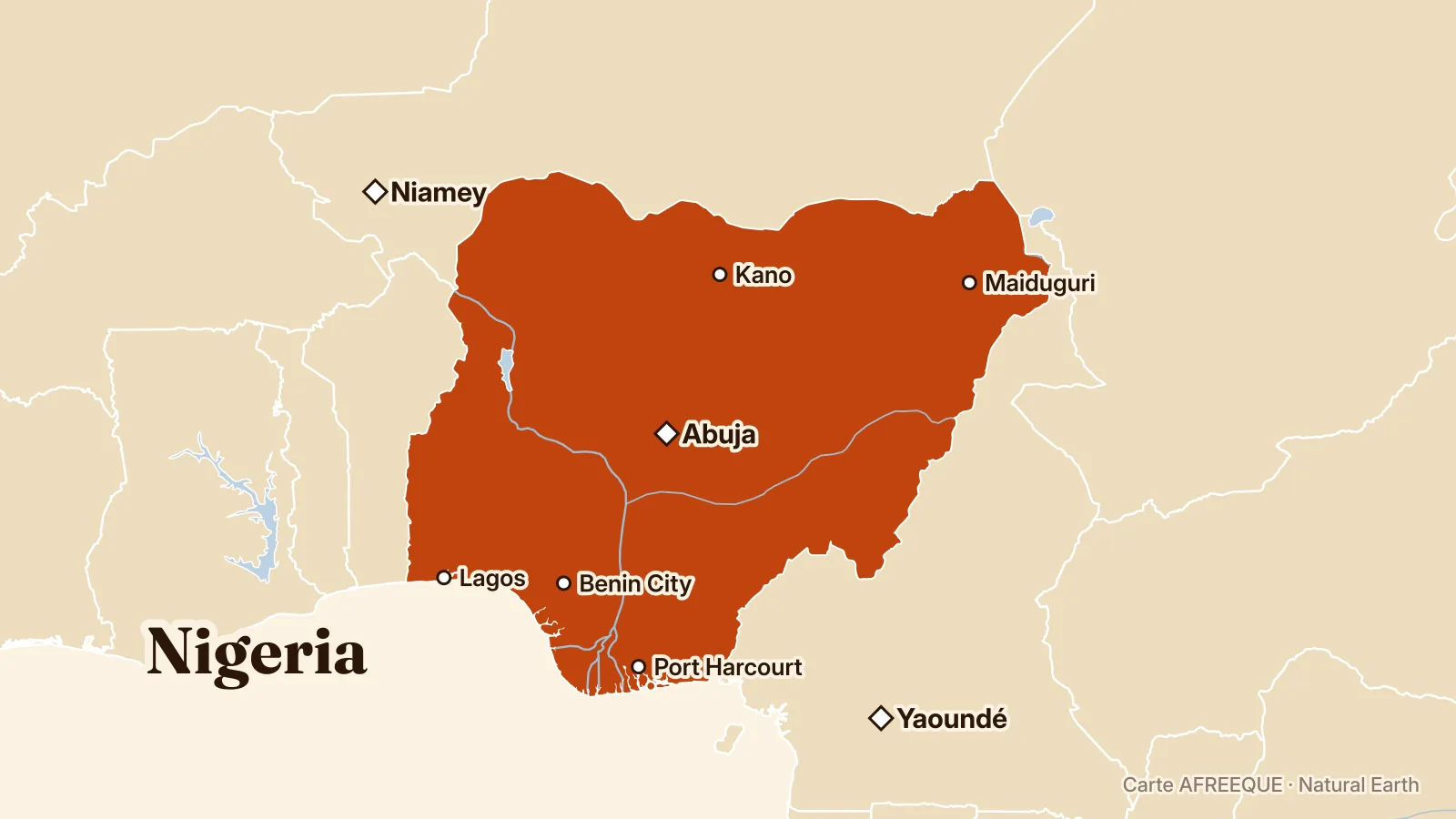
In Nigeria, the rise of purchases and transfers initiated by artificial intelligence assistants is testing rules on refunds for bank fraud. The Central Bank’s draft guidelines set investigation and compensation deadlines but do not specify how automated payments should be handled, according to Businessday.
Since June, Nigerian users have been able to ask Paystack’s Index artificial intelligence assistant to buy mobile phone credit and pay for purchases directly in a conversation. This development is testing Nigeria’s rules on authorised payment fraud, according to an analysis published by Businessday.
The Central Bank of Nigeria’s (CBN) draft guidelines provide for an investigation within 14 working days and a refund within 48 hours of its conclusion. In cases of fraud where no institution is at fault, losses would be shared equally between the institutions involved. But the text covers payments a customer is induced to make themselves and does not define the role of software or an automated assistant.
Businessday notes that an assistant could pay a scammer after being deceived by a fake online invoice. The bank could then dispute whether the payment was voluntary or claim that the customer was negligent. The outlet points out that the rules exclude refunds if the customer acted fraudulently or negligently.
US Federal Reserve Governor Christopher Waller raised the question of liability for mistaken purchases made by an agent at the Sibos summit in Miami on 29 September. In July, the UK Treasury also opened a consultation on modernising payment services regulation. This discussion comes as Nigeria and the UK have recently strengthened their cooperation on AI and digital trade standards, announced on 25 October.