Morocco’s 2027 budget adopted, with several reforms postponed to 2031
By the AFREEQUE newsroom, based on LesEco.ma, Libération (Maroc), Maroc Diplomatique and La Vie éco
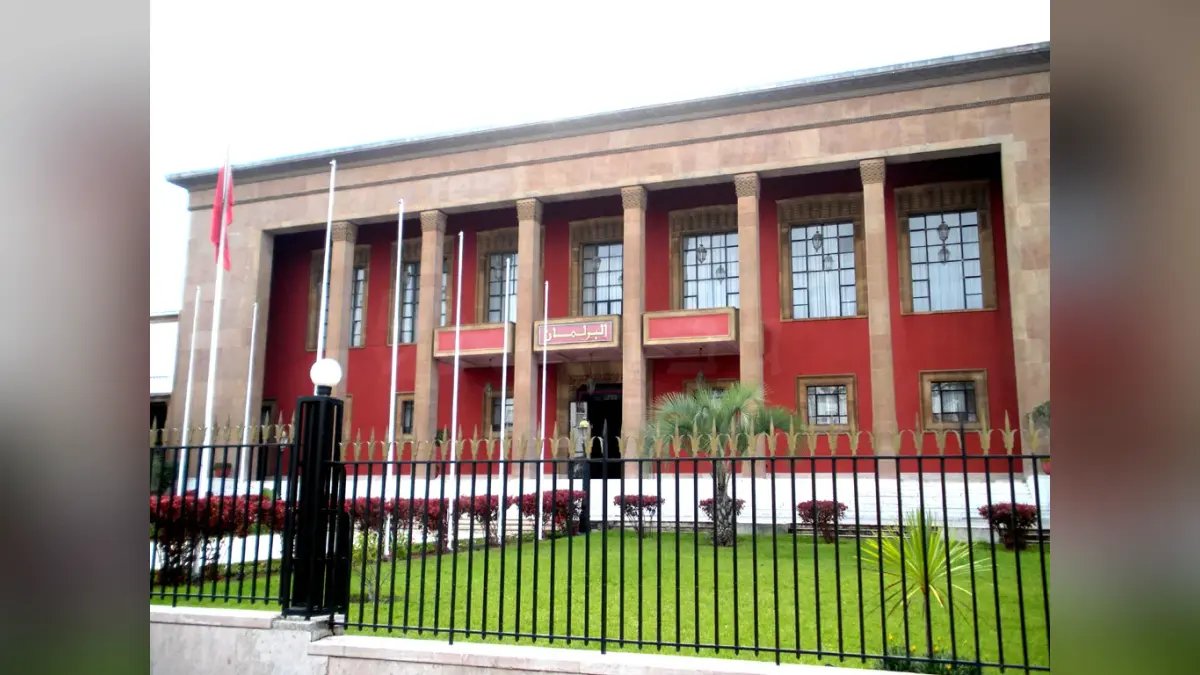
MPs adopted the 2027 finance bill by 179 votes to 126, with no abstentions, according to Libération (Morocco). It is the first budget of the government led by Fatima Ezzahra El Mansouri, which has been criticised by the opposition, who dispute the funding of social measures and the postponement of several reforms to 2031.
After two days of debate, MPs voted on Saturday in plenary session on the 2027 finance bill: 179 votes in favour, 126 against and no abstentions. According to the House of Representatives, the ballot reproduced the result of the vote on the second part of the text, which covers sectoral budgets. Before the vote, the government responded to the interventions of elected members, under the chairmanship of Ahmed Touizi. The text now passes to the House of Councillors.
The budget projects growth of 3.7%, a deficit set at 3% and debt of 66.9% of GDP, with inflation of 1.5%. The government had approved it in Council on 20 October, before it was sent to Parliament on the 23rd of the same month. The committee adopted it on 12 November, and its first part was voted on the 14th.
The finance committee examined 291 amendments: 59 received the executive’s go-ahead, 116 were rejected and 112 were withdrawn. The authors break down as follows: 82 from the Justice and Development party, 68 from the Alliance of the Left, 65 from the Popular Movement, 42 from the majority, 11 from the government and 23 from the National Rally of Independents. They targeted, among other things, income tax, customs duties, purchasing power and the marketing of agricultural products.
The government structures the text around five priorities. The first sets aside 44.2 billion dirhams in 2027 for the royal social protection project, while the third mobilises 210 billion dirhams over eight years for advanced regionalisation. The fourth aims for more than 24 billion cubic metres of storage capacity in dams by the end of 2027, and more than 1.8 billion cubic metres of desalination capacity by 2031. During the vote, discrepancies in manual counting led to a five-minute pause; MPs Abdellah Bouanou and Mohamed El Gherras then requested an electronic vote.