
Morocco’s 2027 budget targets purchasing power, according to the government
By the AFREEQUE newsroom, based on MAP and Le Matin
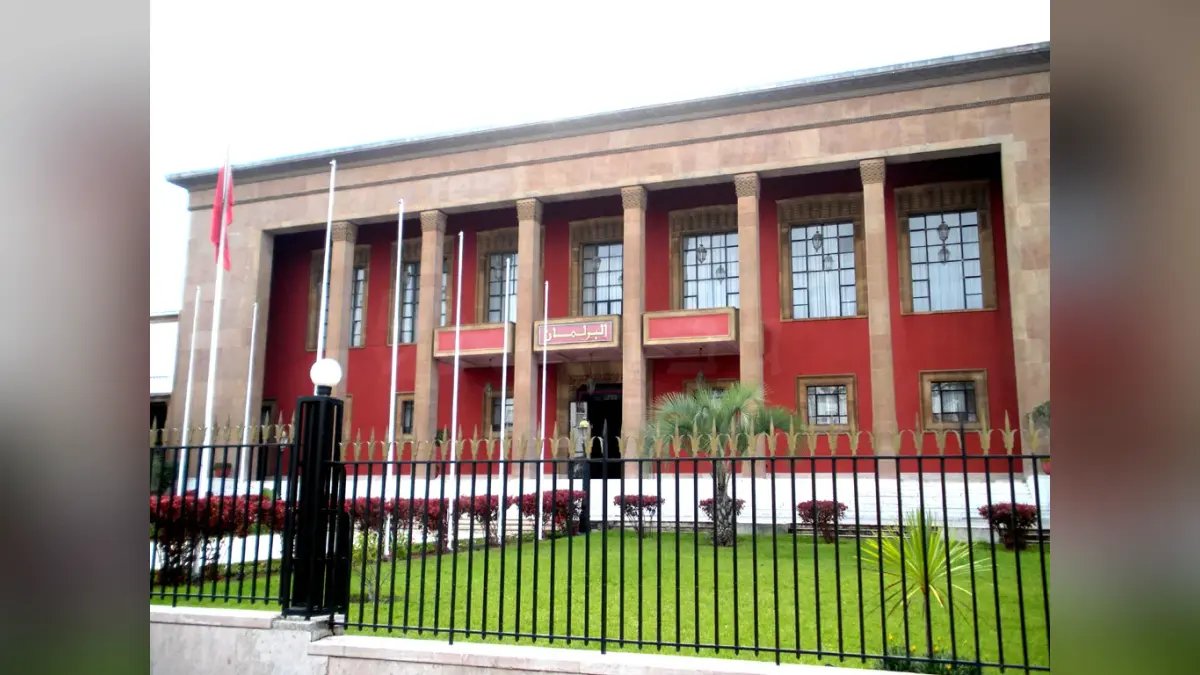
Addressing the House of Representatives, Minister of Economy and Finance Fouzi Lekjaa defended the 2027 finance bill, presented as focused on citizens' purchasing power and the improvement of public services. He detailed the funding of these priorities, the government’s position on taxation linked to the 2030 World Cup, and the economic vision that frames the budget.
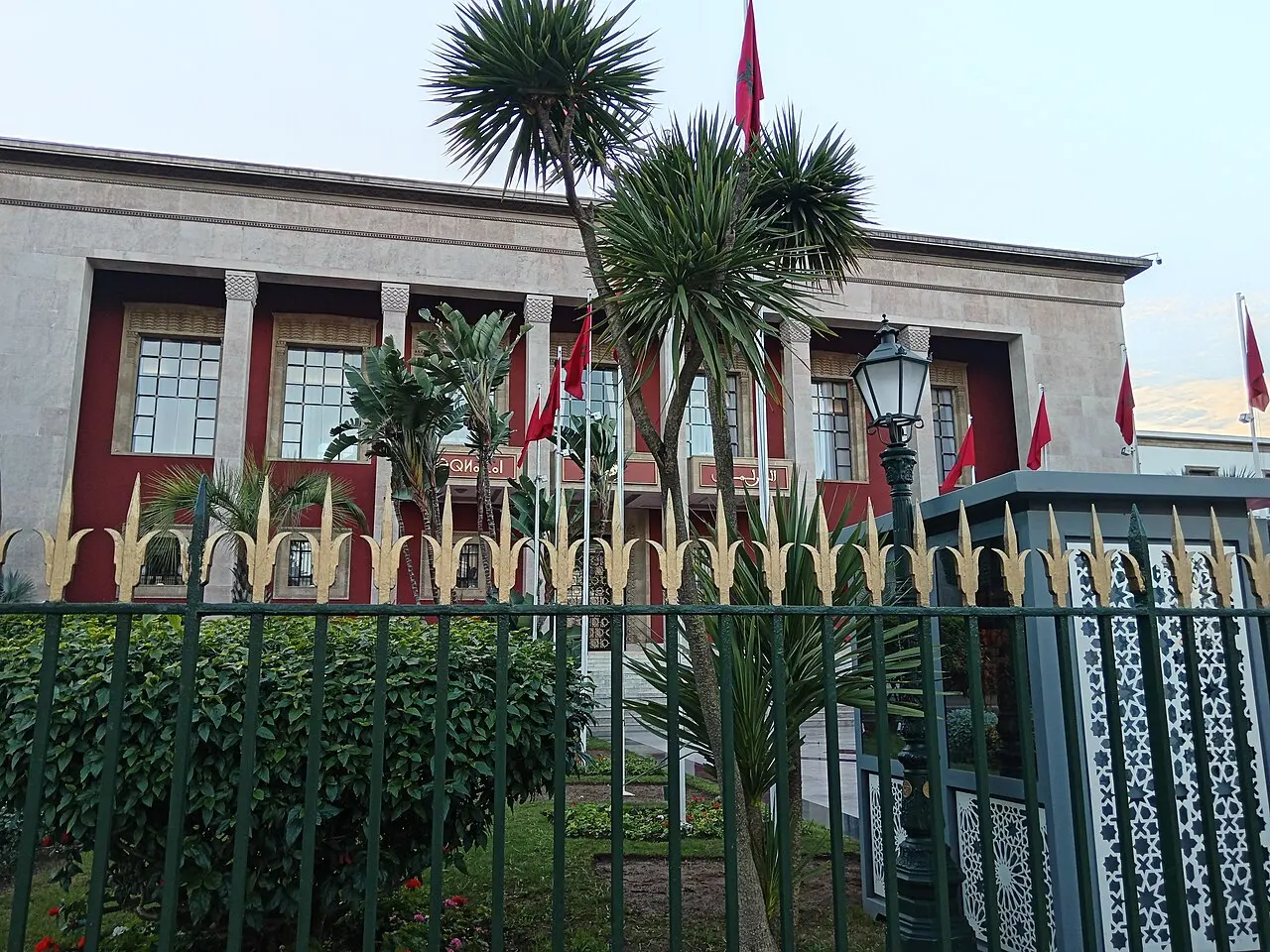
Saturday 14 November, during the examination of the second part of finance bill No. 60.26 for 2027, government members defended a text that reflects, according to MAP, the social dimension of the executive’s programme. Support for purchasing power and the improvement of public services top the priorities, with income support measures, supervision of market supplies, housing assistance and the promotion of education. The bill had been adopted in committee on 12 November, by 23 votes to 17.
Minister of Economy and Finance Fouzi Lekjaa presented the funding for these priorities. He said tax revenue would rise from 198 billion dirhams in 2021 to 437 billion in the 2027 bill, and that the progressive income tax scale would exempt 87% of employees.
On the taxation of FIFA’s activities linked to the 2030 World Cup, the minister explained that the body will organise the matches without carrying out value-generating investment activities in Morocco. He added that the sale of television rights and sponsorship is negotiated several years before the competition, with Morocco not being a special case. According to him, the government wants to preserve the country’s attractiveness, fight tax fraud and evasion, and tax profits according to their level.
Beyond the budget, the executive intends to make the private sector the main driver of investment: it would provide two-thirds of the total, with the remaining third falling to the public authorities. Lekjaa announced an upcoming bill against monopolies, economic concentration and conflicts of interest, as well as the abolition of the authorisation regime for opening several activities to all operators. He also mentioned a comprehensive review of agricultural policy in the face of climate change and water scarcity, and a boost for the 'Made in Morocco' label to replace imports with local products.