José Maria Neves re-elected president of Cape Verde
By the AFREEQUE newsroom, based on A Nação and Le Monde
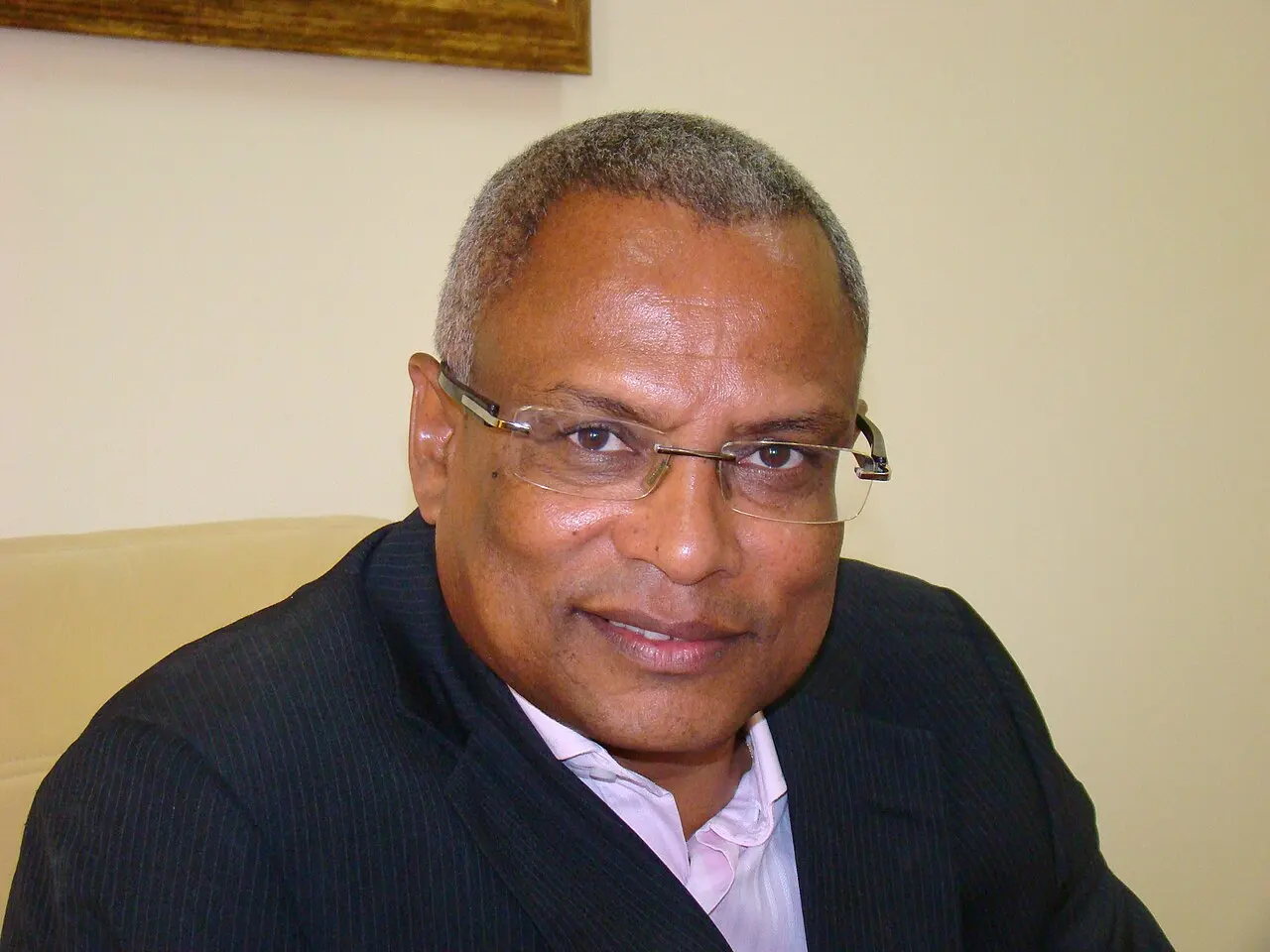
The outgoing president, José Maria Neves, was re-elected in the first round of the presidential election held on Sunday 15 November 2026 in Cape Verde, with 63.8% of the vote according to provisional results, according to Le Monde. Shortly after the count, he pledged to be the president of all Cape Verdeans, including the diaspora.
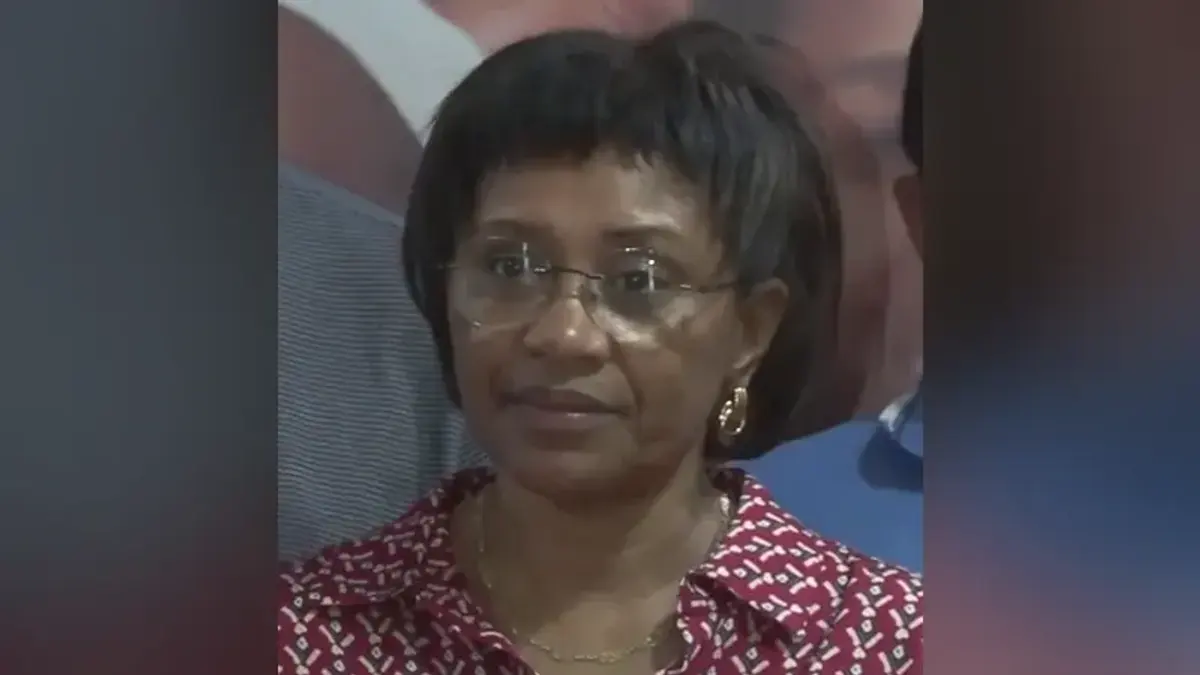
His main rival, Joana Rosa Amado, a 61-year-old lawyer and former justice minister, was the first woman to run for the presidency. Coming second with 31.4% of the vote, she conceded defeat on Sunday evening. The Movement for Democracy (MpD, centre-right), the main opposition party, had backed her. For his part, Mr Neves, 66, can count on the African Party for the Independence of Cape Verde (PAICV, left), the party that won the May legislative elections. Elected to a first term in 2021, he had previously served as mayor, deputy and then prime minister from 2001 to 2016.
Shortly after the count, he said he wanted to govern for all Cape Verdeans, regardless of political camp or social background. He believes the result gives him 'strong legitimacy' and promises strategic and loyal cooperation with the government, while respecting the Constitution and the balance between institutions.
He is concerned about the high abstention rate, which he says he anticipated during his tours of the islands and among expatriates, and he intends to analyse its causes. He puts inclusive growth first, along with rising wages and household incomes, and a reduction in inequality, regional disparities and poverty.
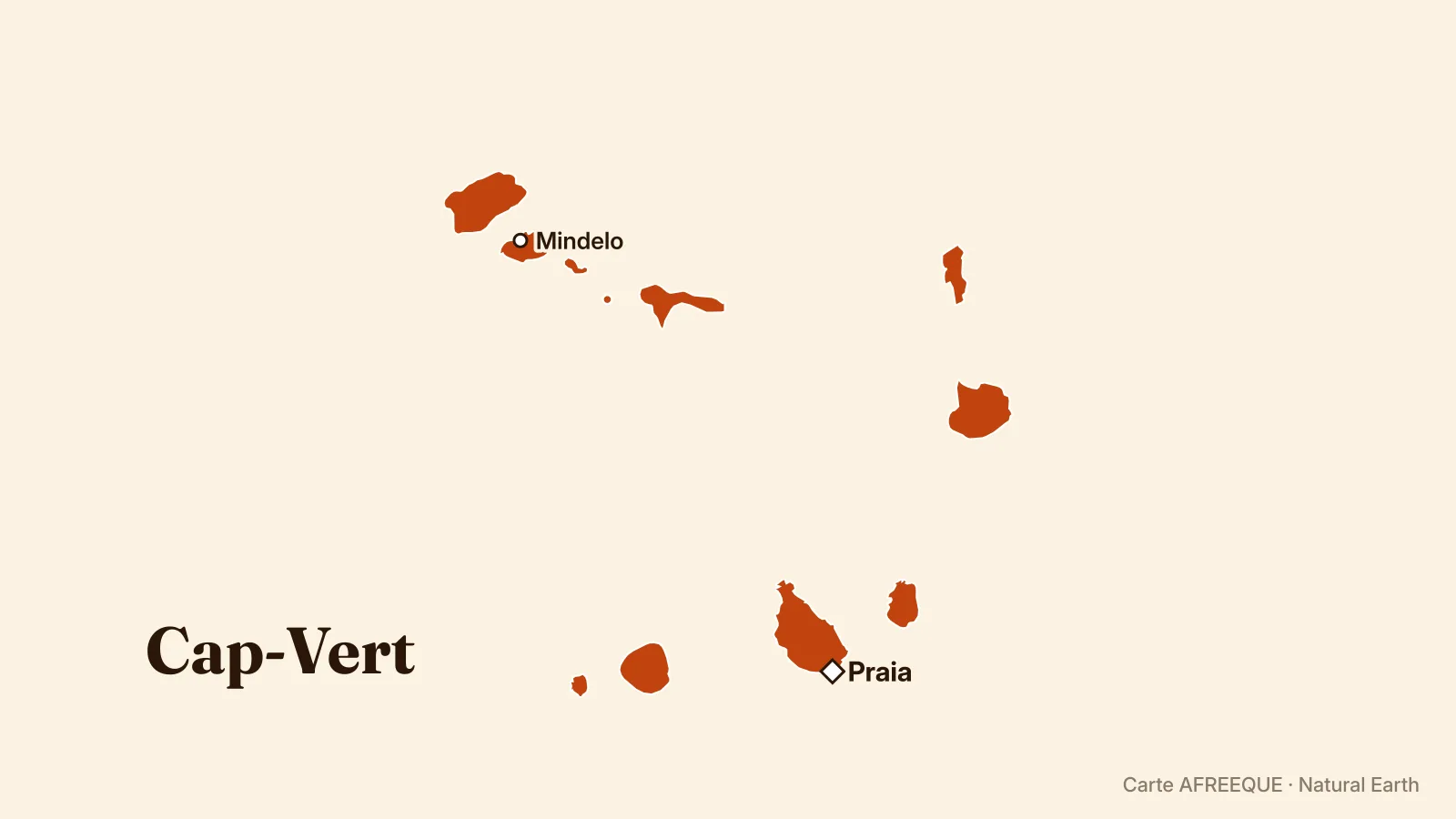
Some 419,448 voters were called to the polls, and the diaspora, based mainly in the United States and Portugal, was also invited to vote. Its size is nearly three times that of the archipelago’s roughly 550,000 inhabitants. The vote took place calmly. The country, which has ten volcanic islands, nine of them inhabited, remains known for its stability in a West African region where several recent presidential elections have been tense. The World Bank placed it in the upper-middle-income category in July 2025.