




























Guinea-Bissau decree sets elections for 26 November 2028
By the AFREEQUE newsroom, based on AIP, Vanguard, ANG, Alakhbar and Ouestaf.com

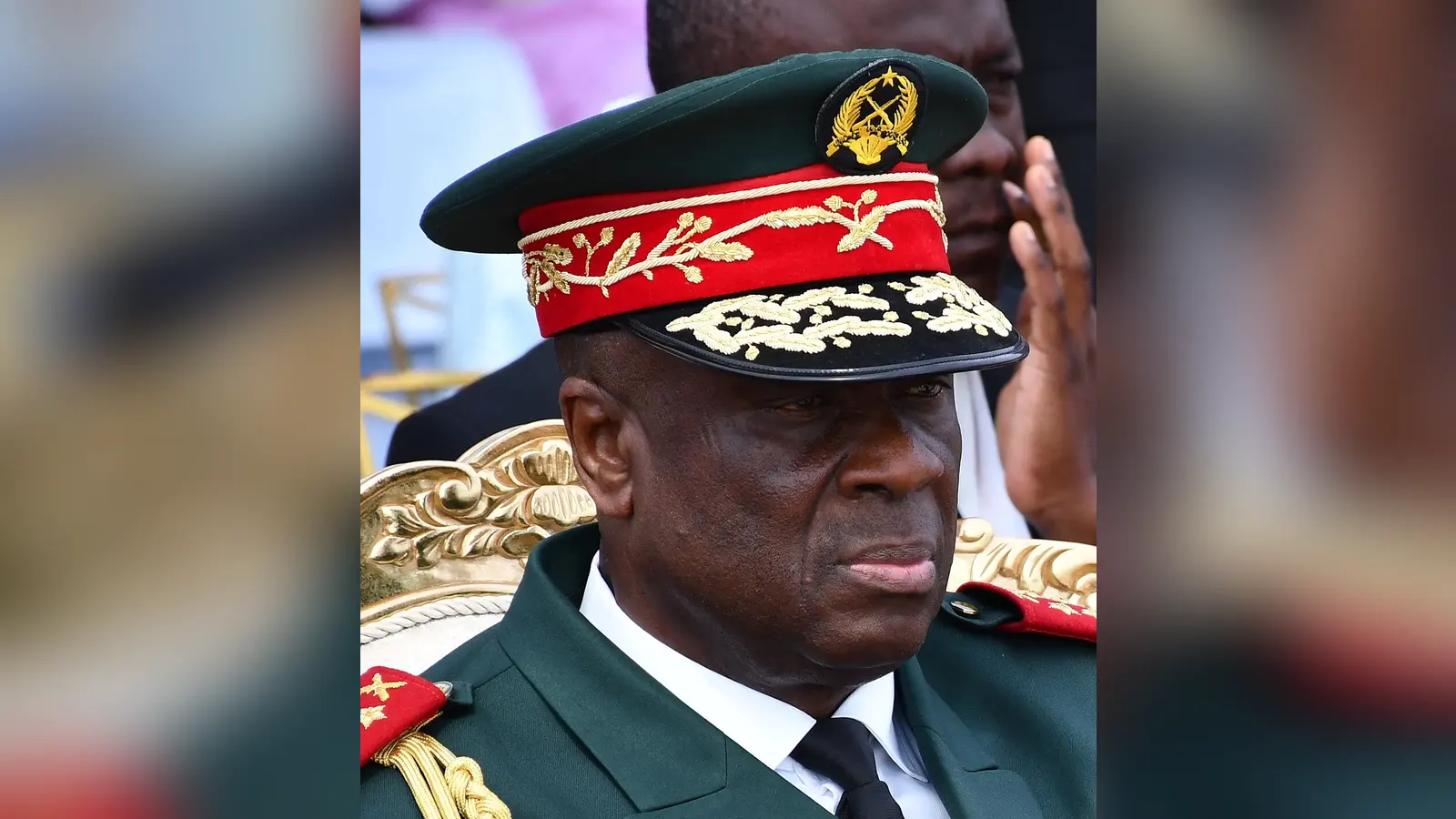
Guinea-Bissau’s transitional president Horta Inta-a has signed Presidential Decree No. 35/2026, postponing the presidential and legislative elections to 26 November 2028, instead of 6 December 2026. The decision extends the military transition by nearly two years and is based on insufficient technical, material and financial resources, according to AIP.
Presidential Decree No. 35/2026 sets 26 November 2028 as the date for the next presidential and legislative elections in Guinea-Bissau. Signed on 26 November 2026 by transitional president Horta Inta-a, it replaces the date of 6 December 2026 initially scheduled for the two elections. The postponement is based on insufficient technical, material and financial conditions for organising them, according to the Ivorian Press Agency (AIP). The decision therefore pushes back the planned return to an elected government by nearly two years.
The decree justifies this additional delay by the need to prepare an electoral process that meets legal and operational requirements. Horta Inta-a believes that holding the elections without the necessary resources could undermine their regularity and credibility. The authorities also emphasise transparency, the inclusion of participants and equal opportunities for candidates. The new timetable is therefore intended to make it possible to establish the conditions needed to hold both elections in accordance with these principles.
This change comes twelve months after the military coup that took place on 26 November 2025. The army’s intervention interrupted the electoral process while the country was still awaiting the provisional results of the presidential and legislative elections held three days earlier, on 23 November 2025. President Umaro Sissoco Embaló was overthrown at the time. Upon taking power, Horta Inta-a had announced a one-year transition, at the end of which the country was expected to return to civilian rule through elections. The new timetable therefore goes well beyond that initial deadline.
The decree also provides for the continued establishment of local institutions through the organisation of the country’s first municipal elections. This measure is intended to accompany preparations for the new electoral framework. The transitional president specifically mentioned the need to conduct voter registration throughout the country and adjust the constituency map. According to details published by Alakhbar, their number is to be reduced from 29 to 12. The number of parliamentary seats is also expected to fall from 102 to 65.
These changes require a reorganisation of the electoral framework ahead of the next national elections. Preparing for the first local elections is one of the objectives associated with this reorganisation. The transitional authorities therefore intend to establish the structures needed for local government to function, in accordance with the provisions of the Transitional Political Charter and the applicable legislation. President Horta Inta-a presented these reforms as requiring more time and resources than initially expected, according to Alakhbar.
The new timetable nevertheless leaves two separate milestones in the transition process: the first local elections, for which no date has been announced, and the presidential and legislative elections scheduled for 26 November 2028. The presidency has reaffirmed its commitment to organising the municipal elections without providing a timetable for them. The return to civilian rule now depends on holding the two national elections on the new date set by the presidential decree.