Civilian rule in Guinea-Bissau postponed until 26 November 2028
By the AFREEQUE newsroom, based on Africanews, Al Jazeera, Citizen Digital, MyJoyOnline, Kassataya and Bénin Web TV

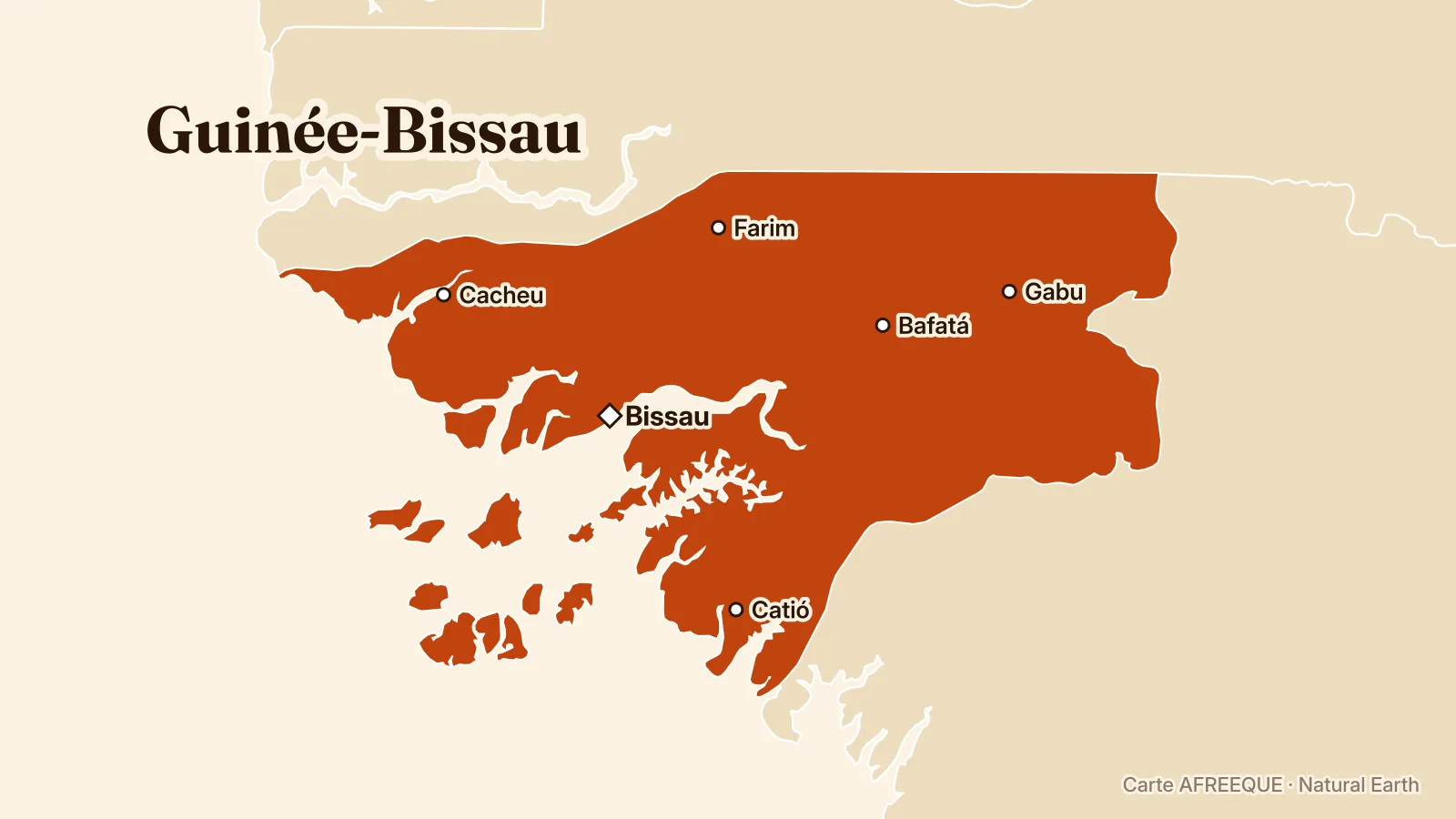
Guinea-Bissau’s return to civilian rule has been postponed until 26 November 2028, the date set for presidential and legislative elections. The country’s first municipal elections are scheduled for 2027, ahead of the national polls, according to Africanews.
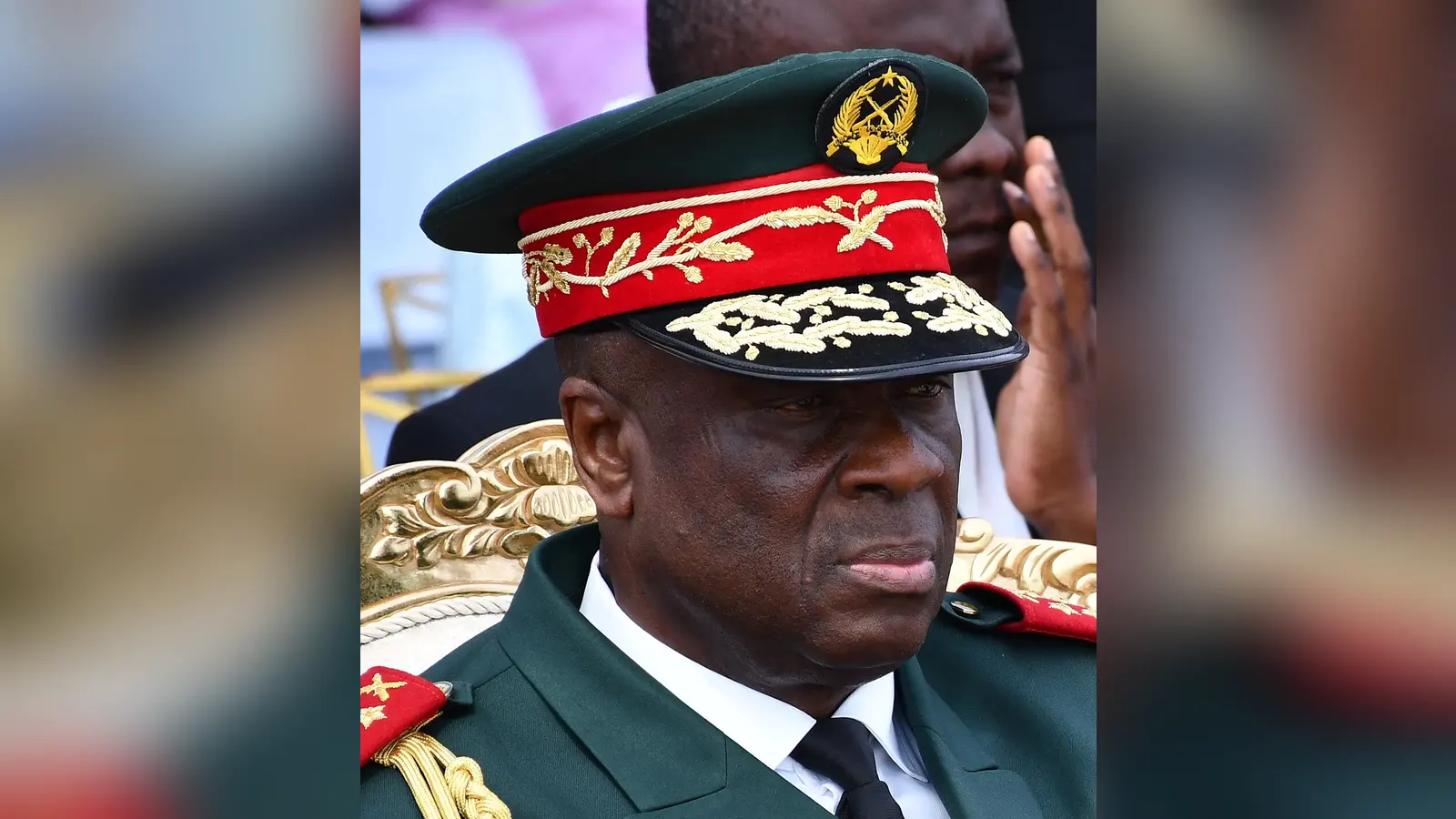
Guinea-Bissau’s return to civilian rule is now scheduled for 26 November 2028. By decree, General Horta N’Tam, who is leading the transition, has set this date for the presidential and legislative elections, initially scheduled for 6 December 2026. The postponement extends the military transition, launched after the seizure of power on 26 November 2025, by nearly two years, according to Africanews.
The military authorities justify the new timetable by citing insufficient technical, material and financial resources to organise the elections. They also point to the need to ensure compliance with the law, transparency, participation by all and the credibility of the electoral process. General Horta N’Tam believes that the reforms under way require more time and resources.
The transition also provides for the country’s first municipal elections in 2027. According to the authorities, these are intended to institutionalise local government before the renewal of national institutions. The municipal election timetable therefore represents an intermediate step ahead of the presidential and legislative elections on 26 November 2028.
The postponement had already been anticipated before it was officially announced. On 8 October 2026, the vice-president of the National Electoral Commission, Felisberta Moura Vaz, said after a meeting with the transitional president that technical conditions would not allow the 6 December deadline to be met. Prime Minister Ilídio Vieira Té had also said in October that the conditions necessary for voting were not in place.
The new timetable comes amid a transition that has already changed the country’s institutional framework. The constitutional referendum held on 30 August 2026 established a strengthened presidential system, replacing the previous semi-parliamentary system. Opposition groups had urged their supporters not to take part in the consultation, while the PAIGC had criticised its organisation amid restrictions on public freedoms.
In early November 2026, the junta announced a partial easing of restrictions on the activities of political parties, but rallies remained banned. Former president Umaro Sissoco Embaló, overthrown in November 2025, remains in exile, and the military authorities prevented his return to the country on security grounds. His associates have also been removed from several strategic positions. The postponement of the elections thus keeps the military in power until the next national vote scheduled for November 2028.