


























Guinea-Bissau junta postpones elections to 2028 over lack of resources
By the AFREEQUE newsroom, based on Sowetan, Alakhbar, Sahara Médias and Toumaï Web Médias
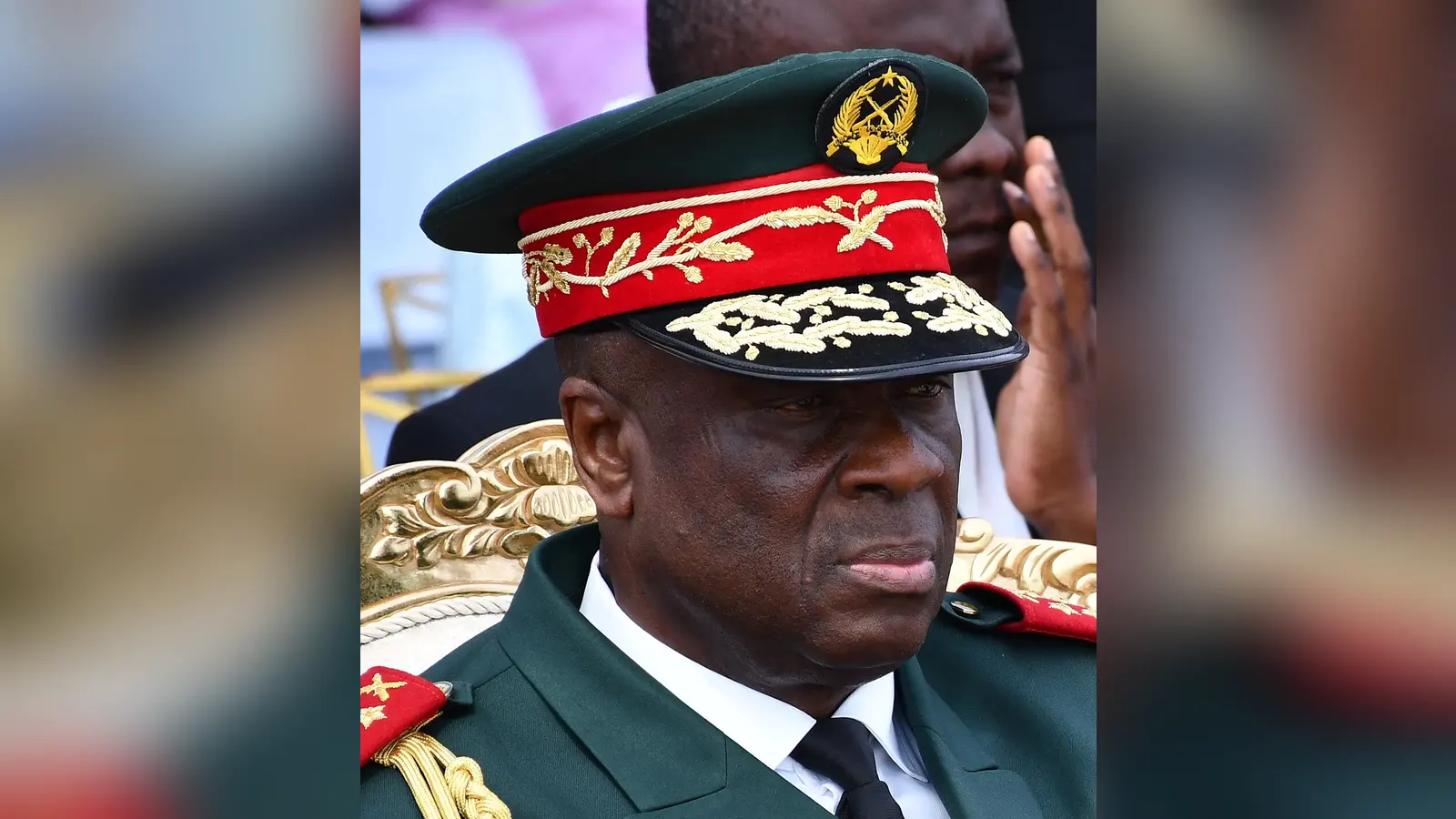
Guinea-Bissau’s military junta justifies postponing presidential and legislative elections until 26 November 2028 by citing insufficient technical, material and financial resources needed to organise them. Transitional President Horta Inta-a also points to several electoral and institutional reforms, according to Sowetan.
Guinea-Bissau’s military junta has postponed presidential and legislative elections until 26 November 2028 because it believes it lacks the resources needed to organise a vote under satisfactory conditions. The presidential decree signed by General Horta Inta-a cites technical, material and financial shortcomings. The military authorities also consider that the initial transition timetable does not allow the necessary conditions to be met for a return to civilian rule, according to Sowetan.
The elections were initially scheduled for 6 December 2026. Their postponement adds two years to the transition period that began after the army seized power in November 2025. The presidential decree now sets 26 November 2028 as the new date for the presidential and legislative elections. This timetable pushes back the prospect of restoring institutions resulting from an electoral process by the same amount of time.
The authorities also point to the need to review the organisation of the electoral system. General Horta Inta-a announced that a voter registration exercise would be carried out throughout the country. This operation is to be accompanied by a new electoral map adapted to the boundaries of constituencies. Their number is expected to fall from 29 to 12. Preparing these changes is another task that military officials associate with reorganising the electoral process.
The reform also concerns the composition of Parliament. The number of MPs is to be reduced from 102 to 65. The transitional president believes these institutional changes require more time and resources than initially anticipated. He describes the transition as progressing positively, while considering that the planned reforms cannot be implemented within the timeframe of the first schedule.
Another objective put forward by Horta Inta-a concerns the establishment of local institutions. The military leader wants to organise the first municipal elections in Guinea-Bissau’s history. This initiative is intended to establish elected local authorities alongside preparations for national elections. It therefore adds an institutional stage to the transition programme announced by the military authorities.
The postponement follows several statements indicating that the December 2026 deadline could not be maintained. In October 2026, transitional Prime Minister Ilídio Vieira Té had already said, following a meeting between the government, the transitional president and the electoral commission, that the conditions necessary for the elections were not in place. He had then left it to the presidency to announce a new date.
The military transition began after the overthrow of President Umaro Sissoco Embaló in November 2025, while the electoral process was under way. The Economic Community of West African States (ECOWAS) had called for a short, structured and transparent transition to civilian rule. Under the new timetable, the return to an elected government is set for November 2028, while electoral reforms and the creation of municipal institutions remain on the transitional authorities' agenda.