Guinea-Bissau transition extended until 26 November 2028
By the AFREEQUE newsroom, based on Africanews, Al Jazeera, AIP, Le Soleil, The Maravi Post and Bénin Web TV
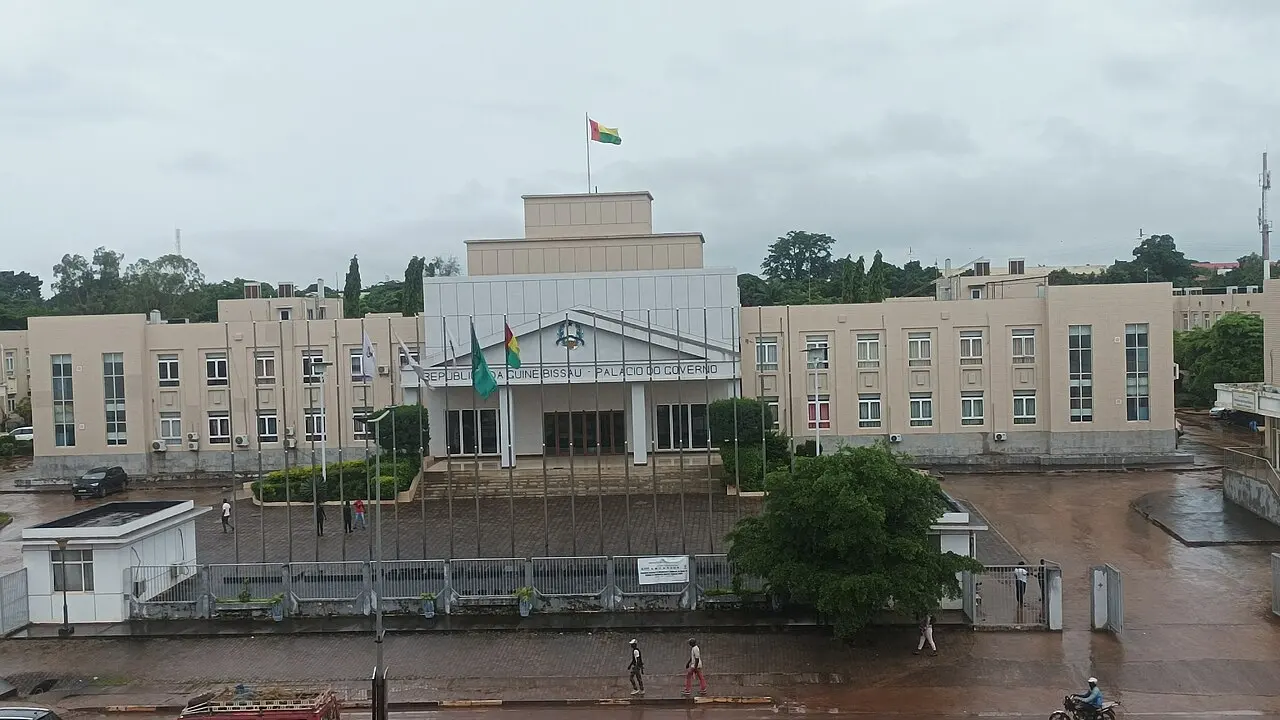
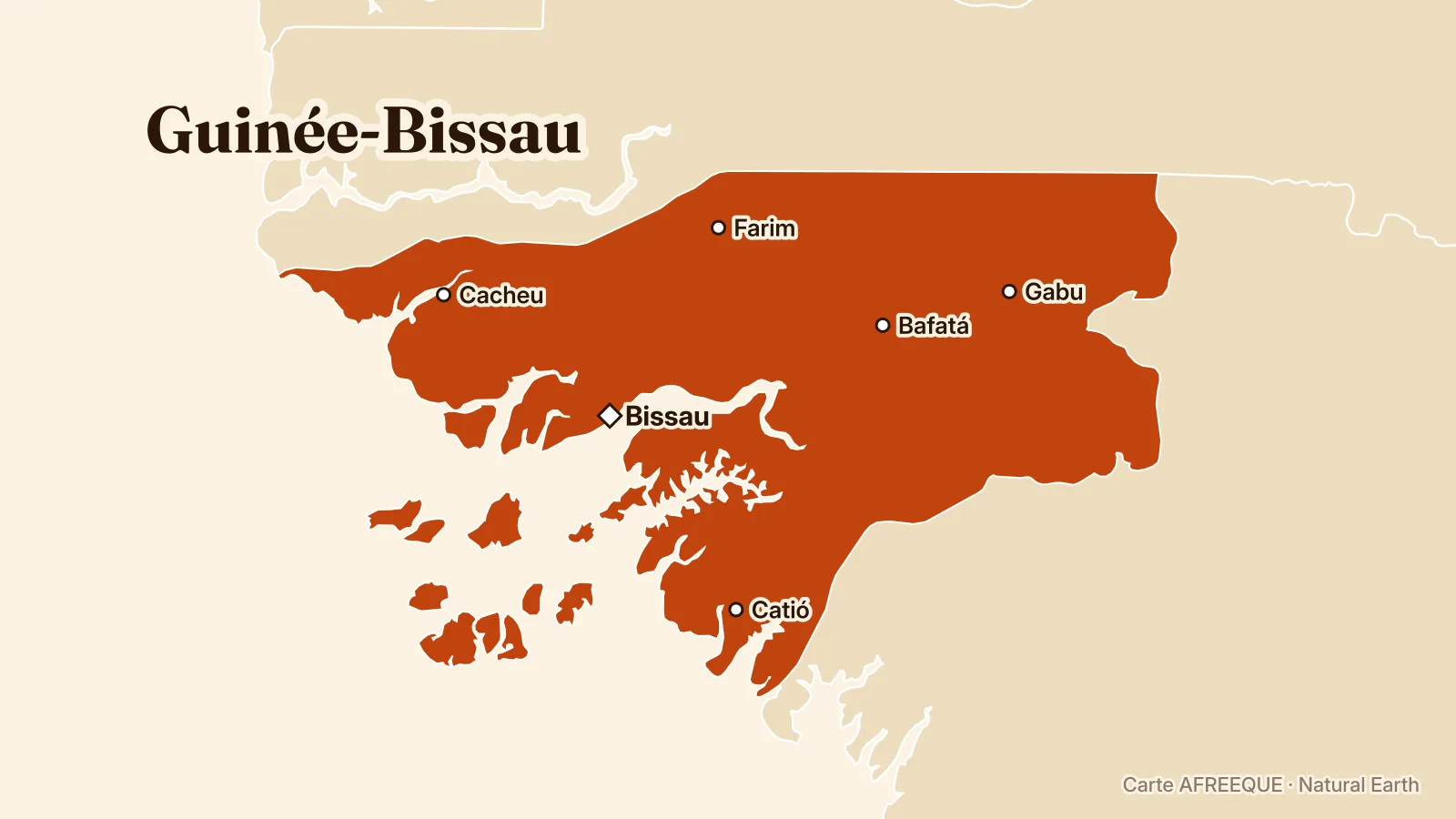
Guinea-Bissau has postponed the presidential and parliamentary elections, initially scheduled for 6 December 2026, until 26 November 2028, extending the military-led transition by nearly two years. The country’s first municipal elections have also been announced for 2027, according to Africanews.
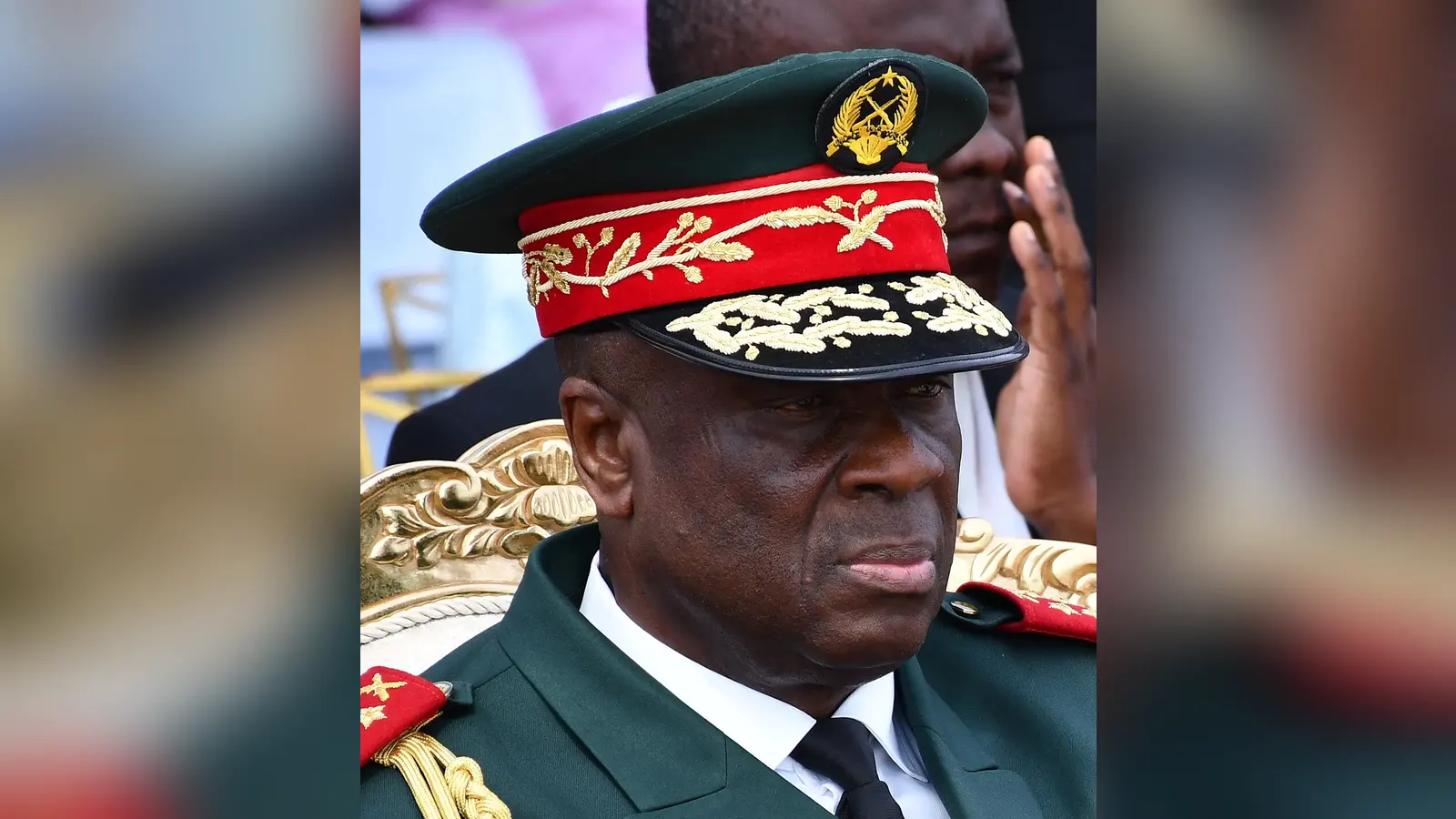
The military transition in Guinea-Bissau is to continue until 26 November 2028, the date now set for the next presidential and parliamentary elections. A decree signed on Thursday 26 November 2026 by the transitional president, General Horta N’Tam, postpones the elections by nearly two years from their original date of 6 December 2026. The return to civilian government has therefore been delayed until this new electoral deadline, according to Africanews.
The new timetable concerns two national elections: the presidential and parliamentary polls. They were initially intended to bring an end to a period of military transition announced as lasting one year. That initial deadline had been set following the soldiers' seizure of power on 26 November 2025. The postponement means that the military authorities will remain in charge of the country for almost two additional years compared with the original timetable.
The authorities justify the decision by citing insufficient resources to organise the elections. The presidential decree refers to technical, material and financial difficulties. The military authorities also say they want to establish the conditions needed to ensure the legality, transparency, inclusiveness and credibility of the electoral process. General Horta N’Tam considers, in particular, that administrative preparations and the reorganisation of the electoral system require more time.
The postponement of the national elections is nevertheless accompanied by another deadline: Guinea-Bissau’s first municipal elections are scheduled for 2027. The military authorities present this vote as a means of consolidating local powers and providing them with an institutional framework. The election is therefore expected to take place before the presidential and parliamentary polls scheduled for November 2028. The timetable thus sets out two electoral stages, first at municipal level and then nationally.
Preparatory difficulties had been raised before the official announcement of the postponement. On 8 October 2026, Felisberta Moura Vaz, vice-president of the National Electoral Commission, met the transitional president to examine the possibility of keeping the 6 December date. She said at the time that technical conditions would not allow the timetable to be met. The transitional Prime Minister, Ilídio Vieira Té, had also expressed reservations about the state of preparations. These warnings directly concerned the ability of electoral institutions to organise the two national elections within the initially planned timeframe.
This extension comes amid institutional changes. On 30 August 2026, the transitional authorities put a new Constitution to a referendum, resulting in the establishment of a presidential system that increases the powers of the head of state and replaces the former semi-parliamentary system. The PAIGC, the African Party for the Independence of Guinea and Cape Verde, had called for a boycott of the vote. In early November 2026, the military announced a partial easing of restrictions on political parties, but gatherings and political rallies remained banned. ECOWAS, for its part, had called for a short, structured and transparent transition to civilian rule. The next announced electoral dates are therefore the 2027 municipal elections, followed by the presidential and parliamentary elections on 26 November 2028.