Guinea-Bissau’s PRS calls for political dialogue
By the AFREEQUE newsroom, based on O Democrata
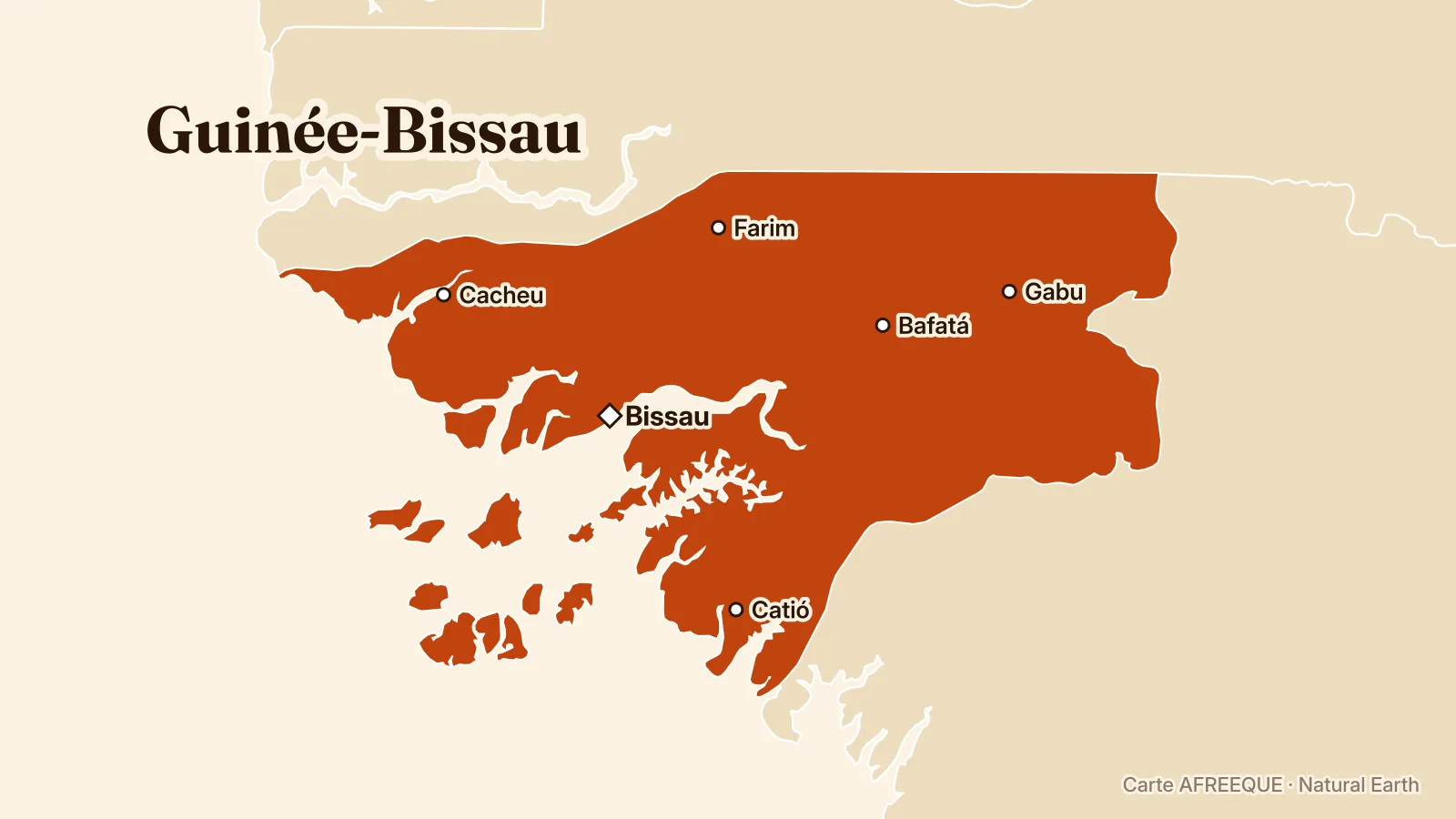
Guinea-Bissau’s Social Renewal Party (PRS) is calling on political parties and stakeholders to prioritise dialogue to end the political transition and prepare for free elections. In a statement read on 24 November 2026 in Bissau, the party backed the partial lifting of military restrictions and called for compliance with the rules set by the Military High Command, O Democrata reports.
The Social Renewal Party (PRS), a political party in Guinea-Bissau, called on political parties and leaders on 24 November 2026 to prioritise dialogue to help bring the military transition to an end and organise free and transparent elections. Its communications unit coordinator, Francelino Cunha, made the appeal in a statement at the party’s national headquarters in Santa Luzia, in the capital, Bissau, according to the newspaper O Democrata.
The PRS believes that the partial easing of political restrictions by the Military High Command responds to citizens' aspirations to restore peace and exercise their civil rights. The party reaffirmed its commitment to complying with the military authorities' instructions and called on its officials, members and supporters to abide by the established rules. It also wants political activities to take place without violence and in accordance with the law.
The party said it was willing to engage in dialogue with all political forces to reach national compromises. It also indicated that preparations for its next congress were progressing satisfactorily, calling on its members to participate actively in the process in accordance with the party’s statutes.
The PRS also urged the population to remain calm and reject violence, provocations and disinformation. It advocates a return to constitutional order and a peaceful end to the transition period. The appeal comes after the [partial easing of political restrictions by the military], announced before the PRS statement, and is part of a series of calls for dialogue, including one by Prime Minister Ilídio Vieira Té on 15 November.