






























Trump imposes new tariffs on China
By the AFREEQUE newsroom, based on Al Jazeera
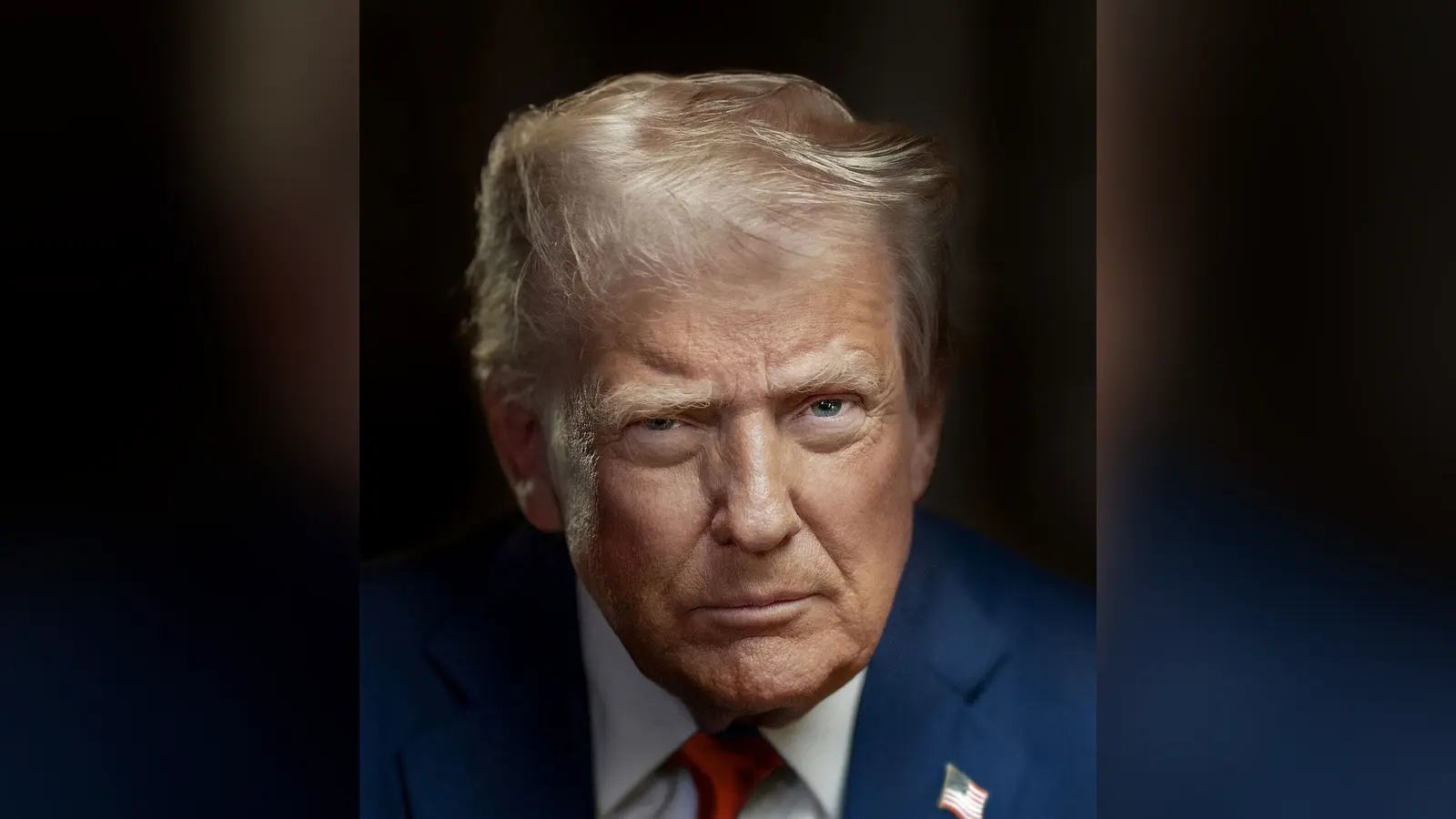
The trade war between Washington and Beijing, launched in 2025, saw US tariffs on Chinese products rise to 145% before an October truce. According to Al Jazeera, Donald Trump subsequently made several gestures towards Xi Jinping before targeting China again with new tariffs.
Donald Trump plans to impose a new tariff regime on 14 US trading partners, including China, the European Union and India. The initiative, announced after his return to Washington, is intended in particular to restore his administration’s trade leverage over Beijing, according to economist Alicia Garcia-Herrero, an Asia-Pacific specialist at investment bank Natixis.
This new offensive comes after several months of trade confrontation between Washington and Beijing. In February 2025, the US administration introduced a 10% tax on Chinese products, citing, among other things, fentanyl trafficking and migration issues. China retaliated by restricting exports of five rare metals used in the defence, technology and clean energy sectors.
In April 2025, US tariffs on Chinese goods reached 145% following the announcement of the so-called 'Liberation Day' tariffs. Beijing then imposed 125% tariffs on US products and tightened its restrictions on rare earth exports. The two countries subsequently agreed to a trade truce in October 2025, during a meeting between Donald Trump and Xi Jinping on the sidelines of the APEC summit in South Korea.
Relations between the two leaders experienced a diplomatic rapprochement in 2026. Donald Trump travelled to Beijing in May to meet the Chinese president, before Xi Jinping visited Washington in September. The US president subsequently met his Chinese counterpart in Shenzhen on 18 November, during the APEC summit held in China.
The new US tariff initiative follows several announcements by Washington concerning its trading partners. On 25 November, the Trump administration notably announced new tariffs targeting China, the European Union and Mexico, while also invoking forced labour to justify certain trade measures. These announcements form part of earlier developments in the trade war between Washington and the European Union.