URGENT

Washington accuses EU of industrial overcapacity in trade dispute

By , based on Al Jazeera, BFMTV, Citizen Digital, TimesLIVE, MyJoyOnline and L’essentiel
Washington accuses EU of industrial overcapacity in trade dispute

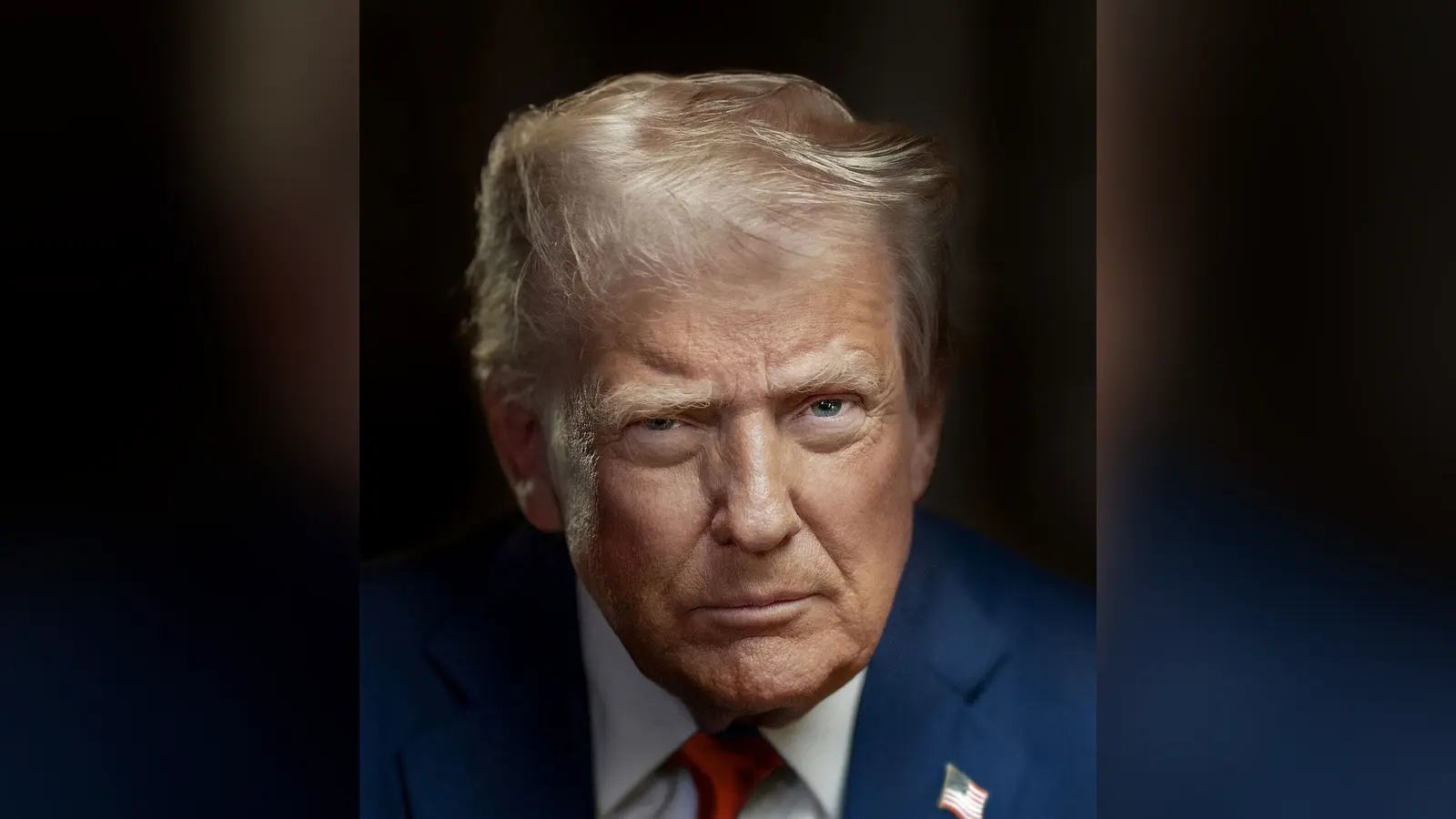
According to Al Jazeera, the Trump administration is proposing new tariffs against 14 trading partners, including the European Union, which it accuses of industrial overcapacity and subsidies. The eight-month investigation, launched in March, covered sectors ranging from steel to electronic chips, according to Al Jazeera.

Washington presents these tariffs as a response to industrial overcapacity in several major economies, including the European Union. According to the Trump administration, these partners produce more than actual demand can absorb, thanks to subsidies and other industrial policies that distort competition.

US Trade Representative Jamieson Greer accuses these countries of having pursued strategies for decades targeting the manufacturing sector and lowering wages, distorting trade to the detriment of US industry. Washington presents the tariffs as a way to rebalance trade and revive production and employment in the United States, as Donald Trump also seeks to reduce the country’s trade deficit.

The investigation, launched in March, lasted eight months and examined public subsidies, wages allegedly suppressed by the state and the activities of state-owned enterprises. It covered sectors ranging from steel and automobiles to electronic chips and solar panels, as well as batteries, cement and processed food. According to Washington, this support enables foreign factories to sell at lower prices, compete with US manufacturers and discourage investment in the United States. The 14 targeted economies also include China, which, alongside Vietnam, faces the highest rate of 20%.

For the European Union, the proposed rates would be capped at 15%, in accordance with the trade agreement concluded in July 2025. These tariffs would not be added to the surcharges of 10 to 12.5% decided in July: the rate applied to European products would rise from 10% to 15%. They also follow the US Supreme Court’s cancellation in February of the emergency tariffs introduced in April 2025.

For its part, the European Commission has rejected the tariffs and said it wants to examine the reasons put forward by Washington. The European Union strongly disputes their justification, points out that they remain limited to the agreed 15% ceiling and regrets the absence of joint action. The effects on the July 2025 agreement remained unclear on Wednesday.

The tariffs must first undergo a public consultation and a hearing before entering into force, which could delay their implementation until January at the earliest. They come amid a rise in the Federal Reserve’s preferred inflation indicator to a three-year high in October. Economists warn that the tariffs could push prices up if companies pass their costs on to consumers.

The final timetable, exact rates and future of the trade truce with Beijing, which expires on 10 January 2027, remain undecided. Washington will host the G20 in Miami in December and says it expects new agreements on that occasion.


Share this article

Ongoing story · day by day

US Trade War

Donald Trump has proposed new tariffs targeting 14 trading partners, including China and the European Union.

The latest developments

Earlier in this story

  1. 25 NovWashington announces new tariffs targeting the EU, China and Mexico
  2. 25 NovWashington targets 14 economies over industrial overcapacity
  3. 24 NovWashington prepares new tariffs on 16 trading partners

Understand the story: the key points, the timeline and questions and answers.

The whole story: 7 articles →

Related stories

Washington announces new tariffs targeting the EU, China and Mexico

Donald Trump announced new tariffs targeting 14 US trading partners, including China, the European Union, India and Japan, following an eight-month investigation into foreign industrial overcapacity, according to Le Monde. The proposed additional tariff reaches 20% on Chinese goods and could rise to 40% if Beijing fails to honour its trade commitments. Mexico and Norway are excluded from this new round of measures.

🇺🇸 United States · Source: Le Monde ·

Washington targets 14 economies over industrial overcapacity

The United States has proposed new tariffs of up to 20% on imports from 14 economies, including China, the European Union, Japan and India. The initiative follows an investigation into manufacturing overcapacity, which Washington considers a threat to US trade, according to France 24.

🇺🇸 United States · Source: United States Trade Representative ·

Trump announces tariffs on 14 trading partners

Donald Trump proposes new tariffs on imports from 14 trading partners, including China, the European Union, India and Japan, according to BFMTV. The proposed additional Chinese tariff would be 20% and could reach 40% if Beijing fails to honour its commitments. The measures, still subject to consultation, target sectors accused of industrial overproduction.

🇺🇸 United States · Source: 7info ·

EU strongly contests new US tariffs

Donald Trump proposed on Wednesday 25 November 2026 new tariffs targeting 14 US trading partners, including China, India, Japan and the European Union. The proposed rate for China reaches 20% and could rise to 40% if Beijing fails to honour its commitments, according to Le Monde. Brussels strongly contests the initiative.

🇺🇸 United States · Source: Le Monde ·

🌍 Latest from World

SpaceX authorised to launch up to one million satellitesSpaceX authorised to launch up to one million satellitesSpaceX has obtained authorisation from the US Federal Communications Commission (FCC) to deploy up to one million satellites equipped with data centres in orbit. Named Starmind, the network is intended to meet growing demand for computing power linked to artificial intelligence, according to Le Monde. Deployment must begin before November 2033, with intermediate targets set for 2035 and 2038.All World news →

Business

Nigeria mobilises its gas infrastructure fund to accelerate CNG adoptionNigeria mobilises its gas infrastructure fund to accelerate CNG adoptionThe federal government is relying on the MDGIF gas infrastructure fund to accelerate the adoption of compressed natural gas, as the end of petrol subsidies puts pressure on prices. CNG stations remain too few, despite the savings promised to motorists, according to Punch.All Business news →

The week in Africa

This week’s highlights

  1. Trump announces tariffs on 14 trading partners🇺🇸 United States
  2. Libyan National Army vows to retaliate against Ukraine🇱🇾 Libya
  3. Ugandan general Muhoozi says he ordered incursion into DR Congo🇨🇩 DR Congo
  4. Court overturns parliamentary report targeting President Ramaphosa🇿🇦 South Africa
  5. Nigeria modernises Lagos ports in drive to create 20,000 jobs🇳🇬 Nigeria
All of this week’s highlights →

Africa in your inbox

Be the first to get our letter in English: the essentials from every region of the continent, free.

Free · one email a week · unsubscribe in one click. Your address is only used to send you the letter, never sold. Personal data

← Back to the news