Nigeria mobilises its gas infrastructure fund to accelerate CNG adoption
By the AFREEQUE newsroom, based on Punch
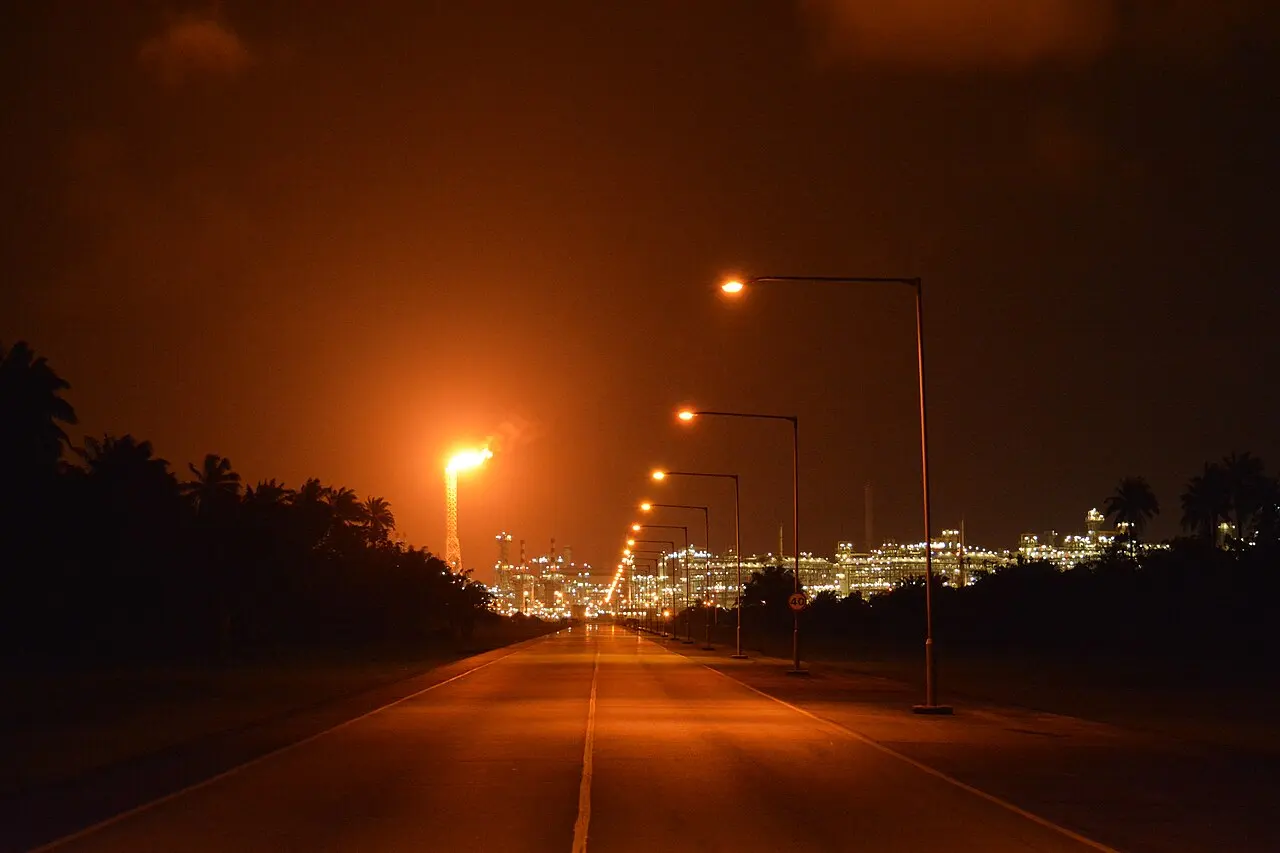
The federal government is relying on the MDGIF gas infrastructure fund to accelerate the adoption of compressed natural gas, as the end of petrol subsidies puts pressure on prices. CNG stations remain too few, despite the savings promised to motorists, according to Punch.
The Nigerian government is relying on the Midstream and Downstream Gas Infrastructure Fund (MDGIF) to accelerate the deployment of compressed natural gas (CNG) in transport. The initiative aims to develop the facilities needed for gas distribution and encourage motorists to reduce their petrol consumption, according to Nigerian daily Punch.
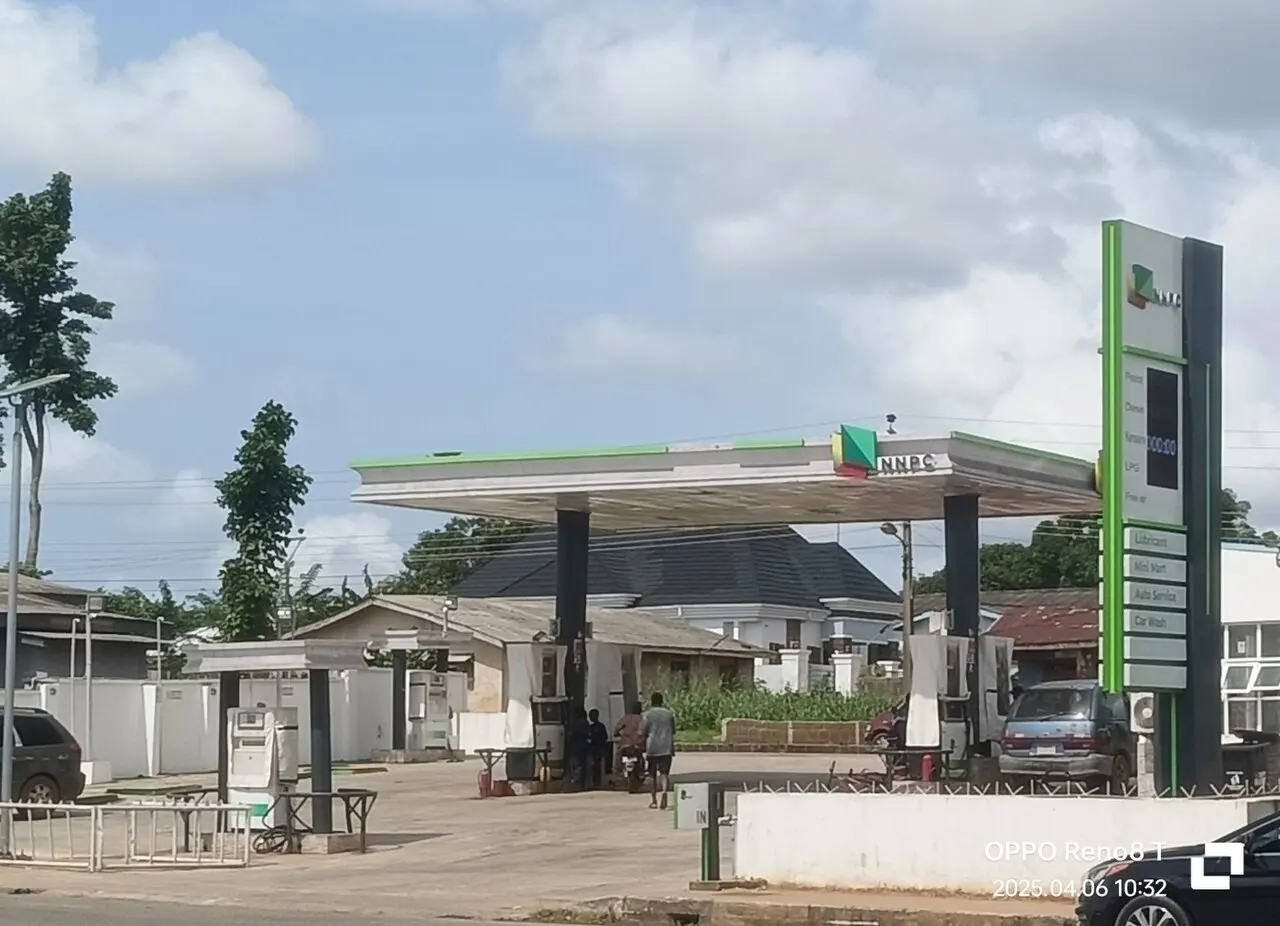
In Lagos, five vehicle gas refuelling stations have recently been commissioned with support from the fund. Built by Ibile Oil and Gas Corporation, they are located in Idimu and Abule Egba, in the Alimosho area, Ogolonto, in the Ikorodu West area, Ajah, in the Eti-Osa area, and Oko-Oba, in the Agege area. These facilities are intended to make alternative fuel more accessible to motorists and transport professionals. The MDGIF has also completed the construction of stations at several federal universities to reduce students' transport expenses.
Established under Nigeria’s Petroleum Industry Act, the fund is administered by the Nigerian Midstream and Downstream Petroleum Regulatory Authority. It supports investment in the transportation, processing and distribution of natural gas. Punch attributes to it a target of mobilising more than $575 billion to develop the country’s gas infrastructure.
The development of CNG is intended in particular to address the difficulties caused by rising petrol prices following the removal of the subsidy. The shortage of refuelling stations remains an obstacle to this transition, despite growing use of existing facilities. On 21 November, Nigeria also announced an expansion of the CNG network to 60 facilities.